

The authorities in Kenya have imposed an indefinite ban on protests in the capital city of Nairobi, citing concerns over public safety and a lack of leadership to ensure peaceful demonstrations. This decision comes amid a month of political unrest that has seen violent clashes, property damage, and allegations of police brutality.
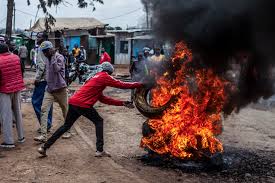
Acting police inspector general Douglas Kanja announced the ban just hours before a planned march to the president’s office, where demonstrators intended to call for President William Ruto’s resignation over alleged poor governance. Kanja stated that the “lack of leadership had made it difficult to enforce safety protocols,” justifying the ban as a necessary measure to maintain order.
The protests, which began on June 18, initially focused on opposition to a controversial finance bill proposing higher taxes amidst a cost-of-living crisis and growing public debt. These demonstrations have resulted in significant economic losses for businesses due to looting and property damage. The Kenya National Commission on Human Rights reports that at least 50 people have died since the protests began.
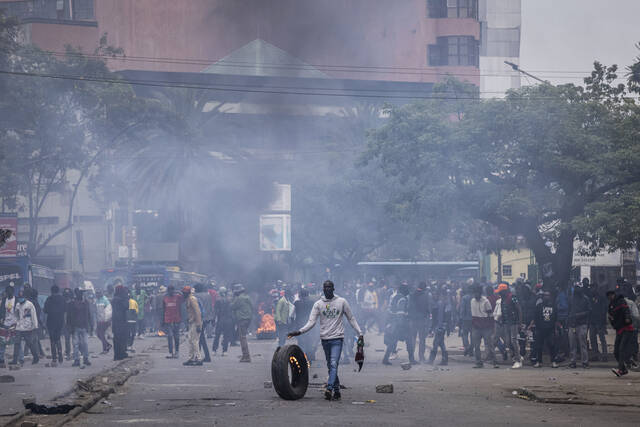
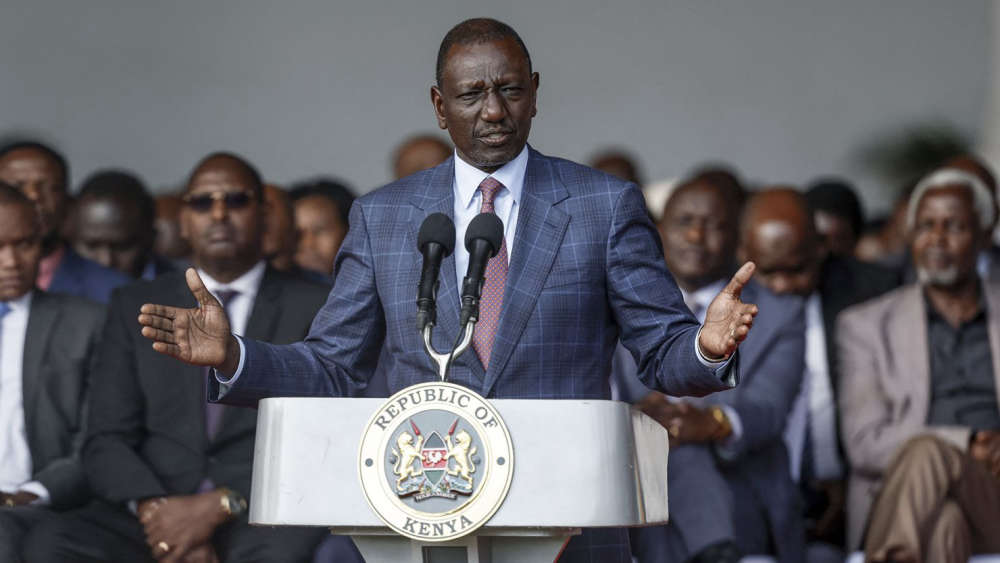
In response to the unrest, President Ruto has made several concessions. He announced he would not sign the contentious finance bill passed by parliament on June 25 – the same day protesters stormed and partially burned the parliament building. Last week, Ruto dismissed almost his entire cabinet and the attorney general, addressing protesters’ accusations of incompetence and corruption among government officials.
The protests have been marred by accusations of excessive force by law enforcement. Former inspector general of police Japhet Koome resigned last Friday following calls for accountability over the shooting of protesters. The Independent Policing Oversight Authority is currently investigating multiple cases of police brutality in Kenya, with four out of ten cases already forwarded to the director of public prosecutions.
Many businesses in Nairobi remained closed on Thursday in anticipation of planned protests, despite the ban. Police maintained a heavy presence around the central business district, patrolling the streets amid the tense atmosphere.
The controversy surrounding Kenyan police actions takes on additional significance given that a contingent of 400 Kenyan officers is currently leading a UN-backed police mission in Haiti to combat gang violence. This international deployment contrasts sharply with the domestic criticism of police conduct.
As Kenya grapples with this political crisis, the protest ban raises questions about freedom of assembly and the balance between public safety and democratic rights. The coming days will be crucial in determining whether this measure reduces tensions or further inflames the ongoing conflict between the government and its critics.





