

A Reuters investigation has uncovered how Syrian forces and pro-government militias carried out a three-day campaign of sectarian killings along the country’s Mediterranean coast in March, leaving nearly 1,500 members of the Alawite minority dead and dozens more missing. Evidence indicates the attackers reported up a chain of command that reached men now serving alongside Syria’s new rulers in Damascus.
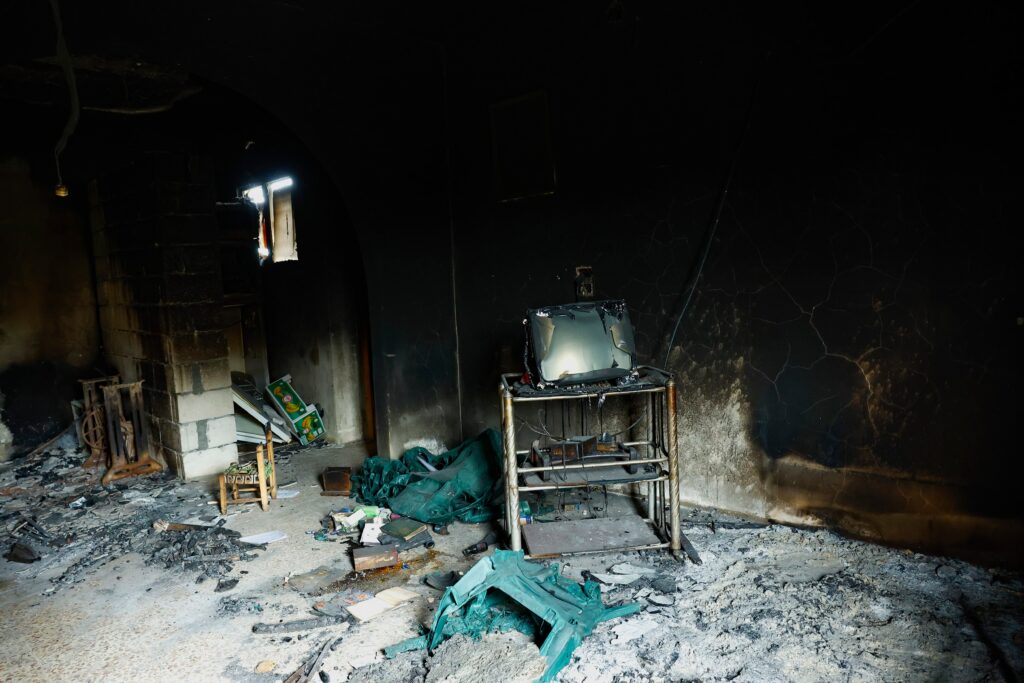
Between March 7 and 9, a patchwork of militias and security forces loyal to the new Sunni-dominated government—many of them rebranded units of extremist factions—swept through Alawite villages long linked to Bashar al-Assad’s toppled regime. Reuters identified 40 separate sites where massacres, looting and arson occurred.
How the Toll Was Counted
Journalists compiled the death toll of 1,479 by obtaining lists of names—many handwritten—from community leaders and relatives. Reporters corroborated these names with activists in Syria and abroad, verified dozens of photographs and mass grave sites, and reviewed extensive CCTV and Telegram chat logs used by Syria’s Defense Ministry to coordinate the crackdown.
Other organizations arrived at similar but slightly lower estimates:
- The Syrian Network for Human Rights counted 1,334 deaths, including 60 children and 84 women.
- The Syrian Observatory for Human Rights reported 1,557 civilian deaths but did not explain its methodology.
- The UN’s last official count stood at just 111—a figure it admitted was a severe undercount.
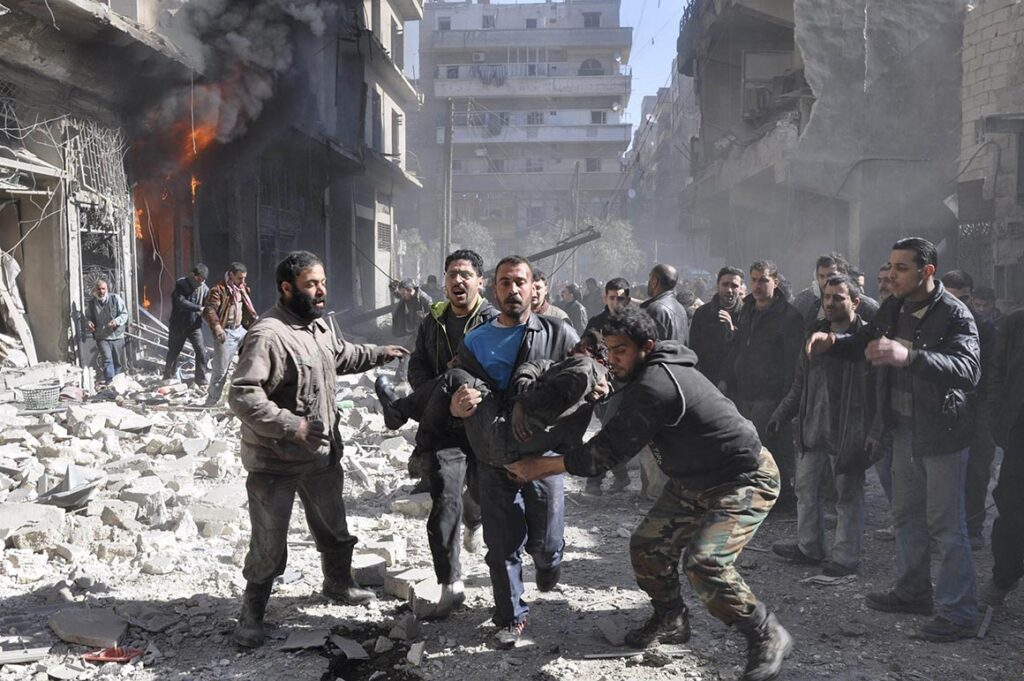
Entire families were exterminated in some towns, witnesses said. In Sonobar, 236 people were killed—mostly young men—and a message was scrawled on a home: “You were a minority, and now you are a rarity.”
A Chain of Command to Damascus
Reuters traced orders for the assault to senior figures in the new Syrian administration. Multiple sources confirmed that the March attacks were initiated to crush what the government called an attempted coup by “Fuloul”—the remnants of Assad’s regime.
Six fighters and commanders, along with three government officials, said directives were issued on March 6 to suppress Alawite enclaves that could become centers of resistance. Some fighters wore Syrian military uniforms, others belonged to militias recently integrated into the army but with histories of brutal sectarian violence.
Units involved included:
- The General Security Service, the old Assad-era law enforcement body.
- Ex-Hayat Tahrir al-Sham brigades like Unit 400 and the Othman Brigade.
- Sunni militias such as the Sultan Suleiman Shah Brigade and Hamza Division, which have been sanctioned by the EU for abuses.
Despite their record, the United States has yet to impose sanctions over these killings.
Testimony of Survivors
Survivors described the attackers’ first question: “Are you Sunni or Alawite?”
One woman recounted how her husband was shot in the eyes and heart while she hid with her children. Others told of fighters forcing young men to howl like dogs before executing them.
In Al-Rusafa on March 8, Ghada Ali watched as her sons were dragged from their home. Her younger boy was returned alive, but her older son’s killers phoned the family to say they had cut out his heart.
In Sonobar, fighters celebrated by stealing food to break the Ramadan fast as bodies lay in the streets.
Official Responses and Denials
President Ahmed al-Sharaa, a former commander of Hayat Tahrir al-Sham, condemned the massacres as a threat to reconciliation. He pledged an investigation and accountability—even for those inside the government.
“This blood will not go unpunished,” he said.
Yet local commanders denied responsibility. The Sultan Suleiman Shah Brigade insisted a fighter seen in video bragging over corpses was an impostor. The Hamza Division and Jaysh al-Ezza declined to comment.
International Silence and Complicity
While EU officials reiterated general condemnations of atrocities, they did not explain why ex-HTS units were not sanctioned. The US State Department did not respond to Reuters’ questions.
Governor Ahmed al-Shami of Tartous, where 350 deaths occurred, insisted Alawites were not targeted as a sect. “The sect needs safety,” he said. “It is our duty as a government.”
A Country Still Divided
The massacres have deepened Syria’s polarization. For decades, Alawites were perceived to hold disproportionate power under Assad. Now, in the wake of regime change, they have become targets of reprisal.
Reuters’ findings underscore how the new government has struggled to control its own fighters, many of whom view the entire Alawite community as complicit.
In villages emptied overnight, Sunnis replaced Alawite families. Entire neighborhoods were depopulated.
Killings Ongoing
Although al-Sharaa ordered an inquiry, local officials privately acknowledged to Reuters that the violence has not stopped. Sporadic revenge killings continue in isolated areas along the coast.
A Final Scene
In one selfie video from Sonobar, a uniformed fighter proclaimed over the bodies of civilians:
Suleiman Shah defeated the remnants of the former regime. God is great and thanks to God.
Among the dead were farmers, students, a motorbike mechanic, and an amnestied policeman.





