

DHAKA, Bangladesh (BN24) — Deadly clashes erupted Wednesday between Bangladeshi security forces and supporters of ousted Prime Minister Sheikh Hasina in the politically volatile district of Gopalganj, leaving at least four people dead and dozens more injured, according to hospital officials and local media.
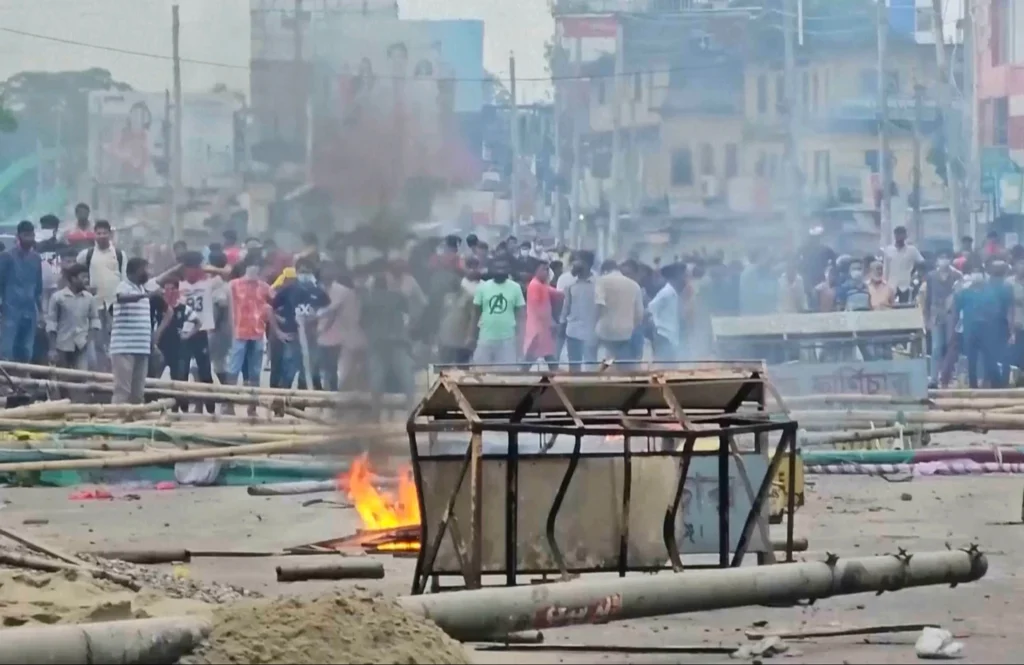
The violence broke out as members of the newly formed National Citizen Party, led by students who spearheaded the August uprising that removed Hasina from power, staged a symbolic march toward Gopalganj — Hasina’s ancestral home and former political stronghold. Television footage showed a chaotic scene as activists loyal to the former leader wielded sticks, confronted police, and set fire to vehicles, including those in a convoy carrying party leaders.
The confrontation marks one of the most violent incidents since the toppling of Hasina nearly a year ago, highlighting the persistent instability and widening political fracture under Nobel Peace Prize laureate Muhammad Yunus’ interim government. Authorities responded by imposing a curfew in the district and deploying military escorts to extract opposition leaders from the scene.
As tensions escalated, the student-led group accused the state of enabling political violence and demanded swift arrests. “We are giving the authorities 24 hours to detain those responsible,” said party figure Nahid Islam, threatening further action in neighboring Faridpur if demands were unmet.
Jibitesh Biswas, a senior official at a state hospital, confirmed at least three fatalities, while The Daily Star reported four deaths. The victims’ identities have not been released.
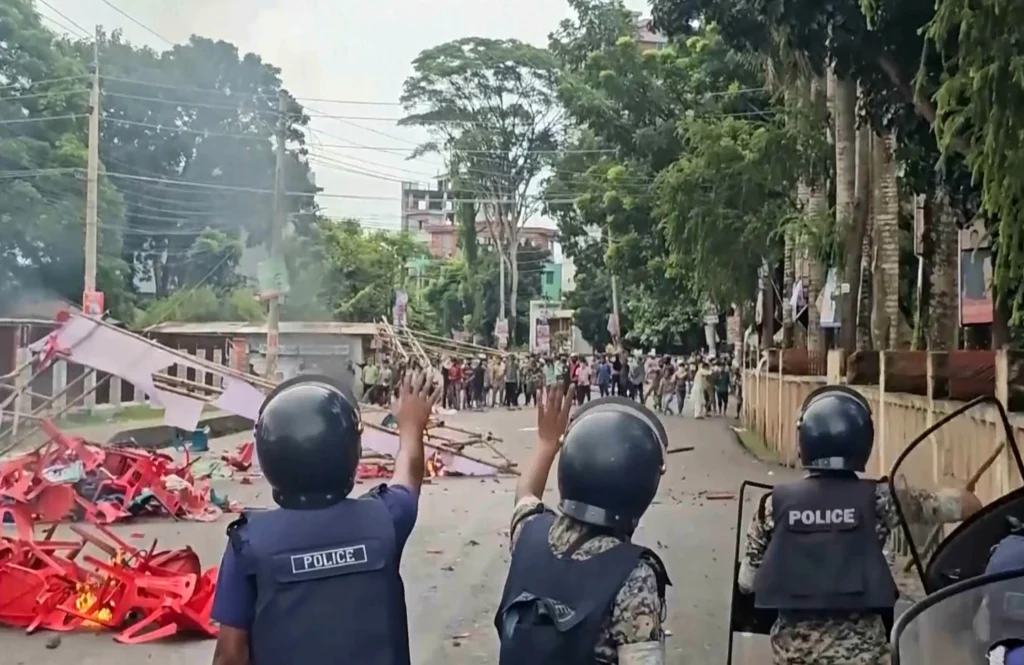
The interim government denounced the attack on the student-led party as “utterly indefensible.” In a statement issued on behalf of Yunus, officials promised that perpetrators would be held accountable, but critics accuse the administration of failing to prevent growing political violence that now threatens the nation’s fragile transition.
Hasina’s Awami League party, outlawed in May, issued multiple statements on social media platform X condemning the government’s role in the bloodshed. “We urge the world to take note of this blatant use of security apparatus,” one message read, accusing Yunus’ administration of weaponizing mob violence against dissenters.
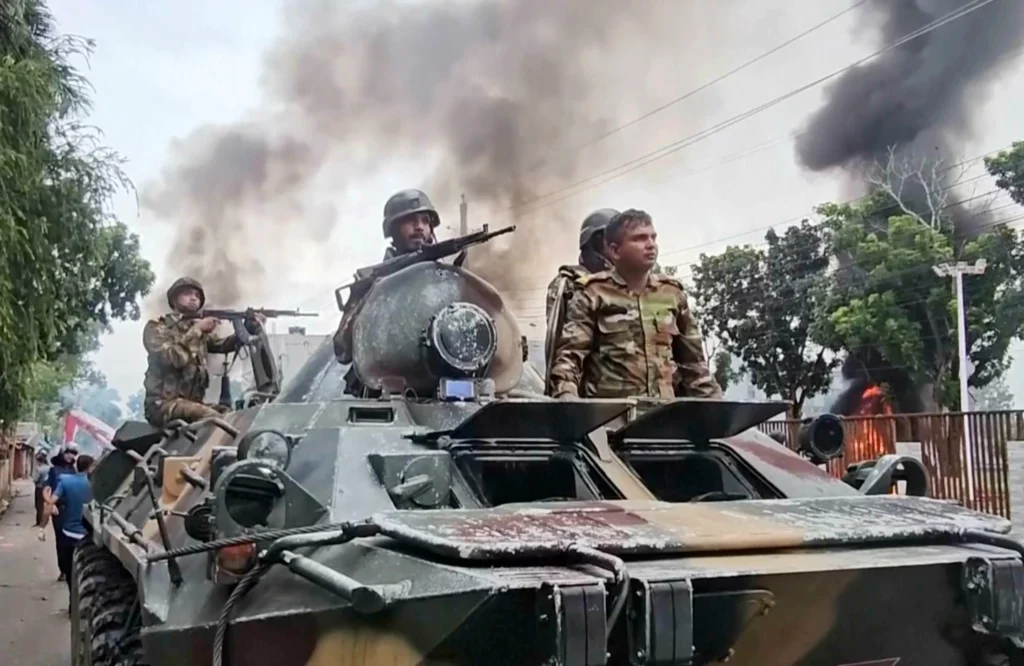
Meanwhile, the Islamist Jamaat-e-Islami party, which has aligned itself with the rising opposition movement, announced nationwide protests for Thursday, calling the attack an “assault on democracy.”
Gopalganj remains a deeply symbolic site in Bangladesh’s political history. It is home to the mausoleum of Sheikh Mujibur Rahman, Hasina’s father and the founding leader of the country, who was assassinated in 1975 during a military coup that decimated much of his family. The National Citizen Party’s decision to march into the district was seen as a bold challenge to the remnants of Hasina’s influence.
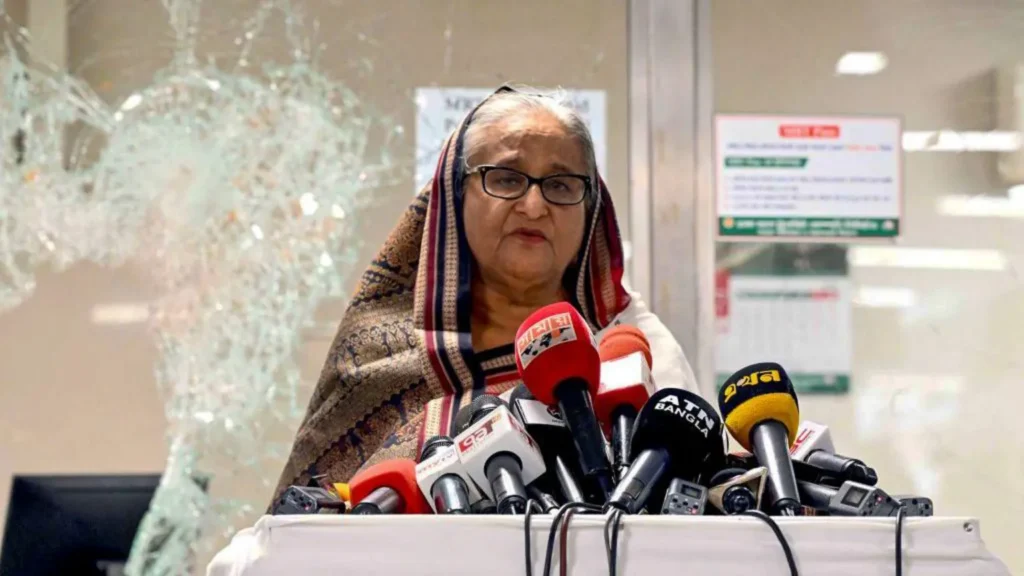
The protest was part of the group’s broader “July March to Rebuild the Nation,” a grassroots campaign aimed at presenting itself as a viable third force in a country long dominated by the dynastic rivalry between Hasina’s Awami League and Khaleda Zia’s Bangladesh Nationalist Party, or BNP. While the BNP has largely remained quiet following Wednesday’s unrest, political observers say the party is positioning itself to benefit from Hasina’s absence ahead of the scheduled elections.
Yunus, who took over after Hasina fled to India amid allegations of crimes against humanity, has pledged to stabilize the country and hold new elections by April. However, critics argue that polarization is deepening under his watch, and warn that the promise of a peaceful democratic transition is slipping away.
India has yet to respond to Bangladesh’s formal request for Hasina’s extradition, adding another layer of uncertainty to a nation already gripped by unrest.
Source: The Associated Press





