

ATLANTA (BN24) — Coca-Cola says it will introduce a version of its flagship soda sweetened with cane sugar in the U.S., a move the company confirmed Tuesday as it posted stronger-than-expected quarterly earnings fueled by higher pricing—even as product volumes slipped globally.
The beverage giant reported a 2.5% increase in comparable revenue, reaching $12.62 billion for the quarter ending June 27, surpassing Wall Street estimates of $12.54 billion. Earnings per share came in at 87 cents, beating the 83 cents expected by analysts, according to data compiled by LSEG. Despite the revenue growth, overall sales volumes dropped 1%, following two consecutive quarters of 2% growth, with declines noted in major markets like India, Mexico and the U.S.
CEO James Quincey said in a post-earnings call that Coca-Cola is preparing to roll out a cane sugar version of Coke in the U.S. in response to shifting consumer preferences and broader calls for healthier alternatives. “We’re using the whole toolkit of sweetening options to meet consumer demand,” Quincey said, noting that the new product will “complement” existing offerings.
The decision comes amid public pressure to respond to health trends and political momentum from Health Secretary Robert F. Kennedy Jr.’s “Make America Healthy Again” campaign. President Donald Trump announced last week that Coca-Cola had agreed to produce Coke with real cane sugar for U.S. consumers.
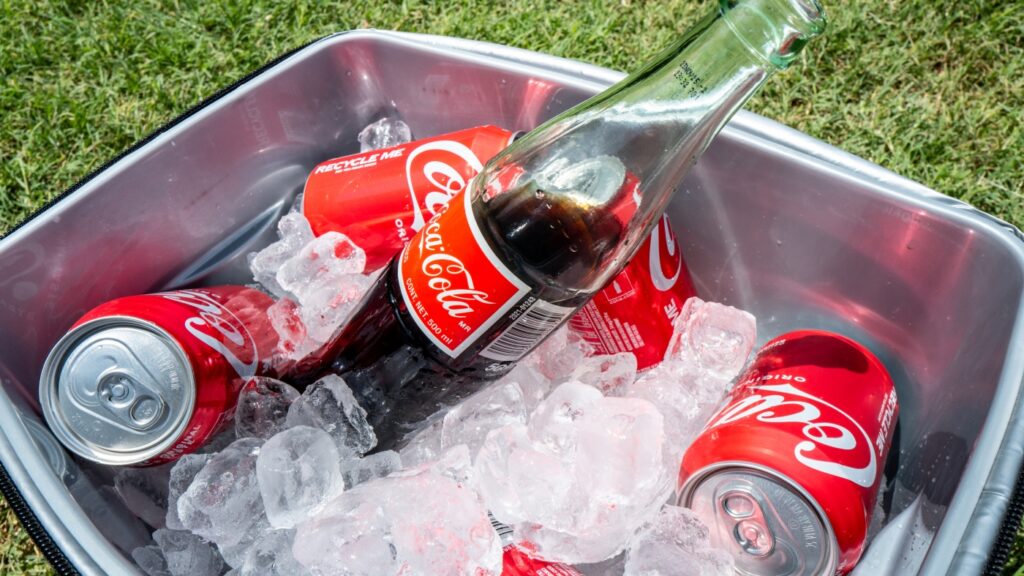
Coca-Cola already markets cane sugar-sweetened Coke in international markets, particularly in Mexico, and it is available in the U.S. in select stores as “Mexican Coke,” typically sold in glass bottles. The expansion of cane sugar-based products domestically could help Coca-Cola better align with evolving consumer preferences and political sentiment.
Industry analysts, however, cautioned that the move may significantly increase production costs and strain supply chains. “Cane sugar is more expensive, and shifting away from high-fructose corn syrup will require adjustments across the board,” said Sean King, an analyst with Columbia Threadneedle. Still, Quincey emphasized that costs associated with global trade dynamics remain “manageable.”
The pricing hikes, rather than volume growth, were the key driver of earnings this quarter. Overall prices rose 6% in Q2, especially in inflation-impacted markets. However, higher shelf prices may prove challenging for consumers already facing economic strain. Quincey acknowledged that volume declines in North America stemmed from “uncertainty and pressure” on certain socioeconomic groups.
A notable source of sales decline was a boycott among Hispanic consumers in both the U.S. and Mexico, triggered by viral allegations that Coca-Cola had laid off Latino workers and reported them to U.S. Immigration and Customs Enforcement (ICE). Reuters reported in February that there was no public evidence supporting those claims, and Quincey said the boycott’s effects have largely dissipated.
Coca-Cola’s Zero Sugar line was a standout performer, with global volumes surging 14%, indicating continued demand for no-calorie options even amid price hikes.
The company reaffirmed its full-year guidance, saying it expects earnings per share growth near the upper end of its 2% to 3% target range, buoyed by a weaker dollar. Despite the strong earnings, Coca-Cola shares dipped 0.6% to $69.61 in afternoon trading.
The cane sugar Coke rollout is likely to further differentiate the brand in an increasingly health-conscious market, as rivals like PepsiCo also pivot toward natural ingredients where consumer demand exists.





