

LUANDA, Angola (BN24) — At least 22 people were killed and 197 injured in violent protests that swept across Angola this week following a sharp increase in diesel fuel prices, according to a statement released by the presidency on Wednesday.
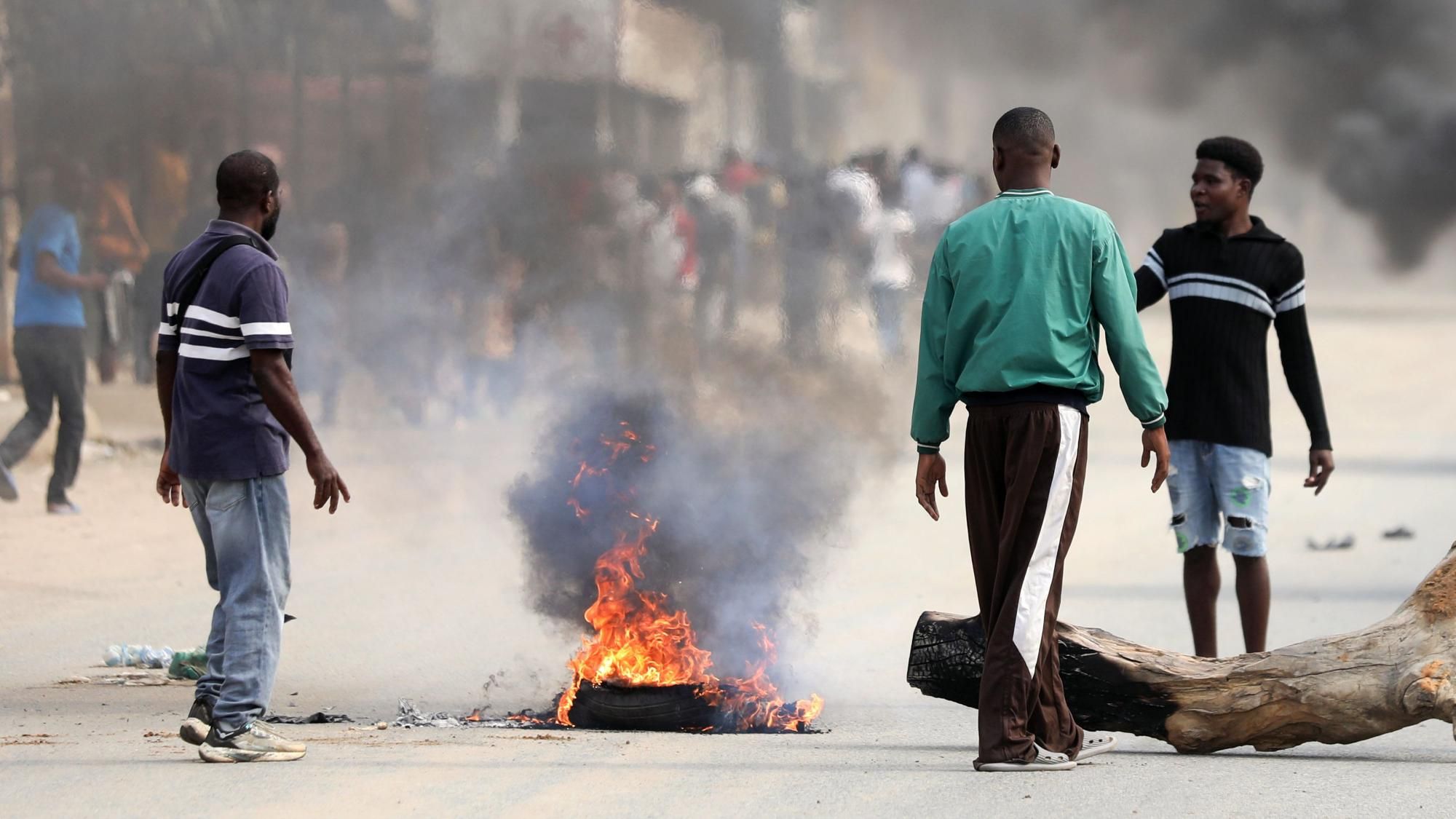
The unrest began on Monday after minibus taxi drivers launched a three-day strike in response to the government’s decision to hike diesel prices by one-third, a move aimed at scaling back costly fuel subsidies and stabilizing the nation’s strained public finances.
What started as a transport strike in the capital, Luanda, quickly escalated into widespread rioting, vandalism, and looting. Sporadic gunfire was reported in Luanda and several other cities on both Monday and Tuesday. Demonstrators clashed with police, and violence spread to six other provinces across the country.
President Joao Lourenço’s cabinet met on Wednesday to assess the deteriorating security situation. In a statement, the presidency confirmed the death toll had risen to 22 and said 1,214 individuals had been arrested. Among the dead was one police officer, according to Interior Minister Manuel Homem.
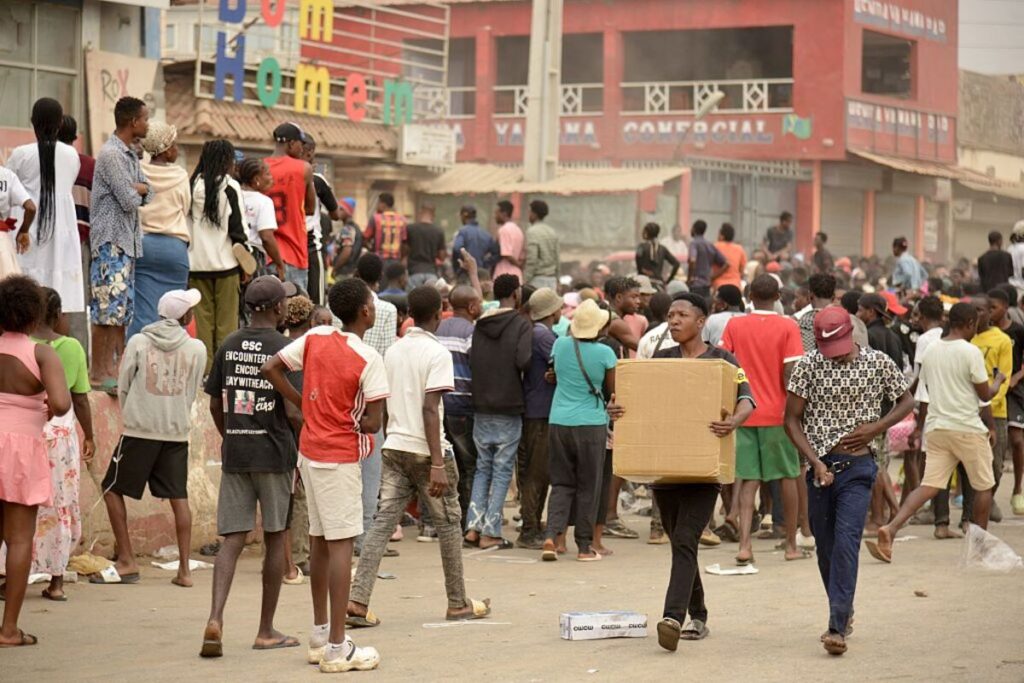
The government also reported that 66 businesses and 25 vehicles were vandalized during the riots, while several supermarkets and warehouses were looted. In response to the escalating violence, authorities deployed the army to restore calm, citing a “climate of widespread insecurity” triggered by the protests.
By Wednesday, streets in Luanda were tense but quiet, with most businesses closed and a heavy presence of security forces. Long queues formed at petrol stations, and some residents cautiously lined up outside shops that remained open.
The diesel price hike is part of a broader economic strategy by Angola’s government to reduce public spending and manage inflation. However, the move has sparked widespread frustration in a country where the cost of living remains high and public transportation is vital for daily commuting.
The full scale of the damage and the long-term political fallout from the protests remains uncertain, but the deadly violence has raised concerns over the government’s handling of public dissent and economic reform.
Credit: Al Jazeera .com





