

BUCHAREST (BN24) — Ion Iliescu, the former president who played a pivotal role in Romania’s turbulent shift from communist rule to democracy, died Tuesday at the age of 95, the Romanian government announced.
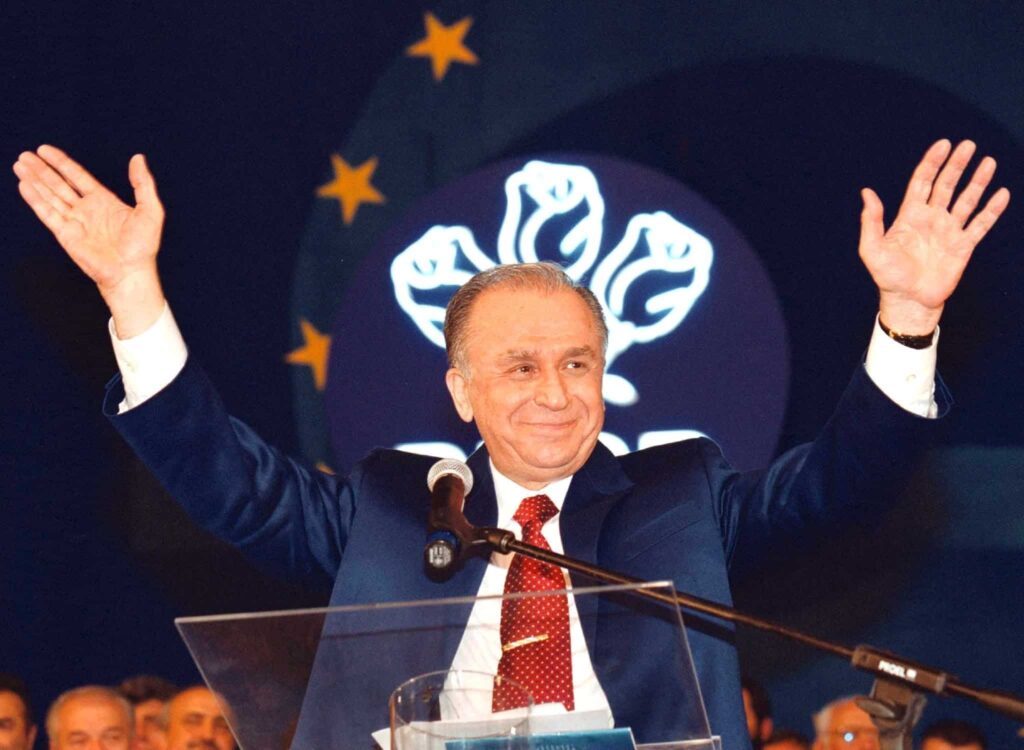
“It is with deep regret that the government announces the passing of the former President of Romania, Mr. Ion Iliescu,” read an official statement released online. The government extended condolences to Iliescu’s family and those close to him, adding that details regarding the state funeral would be announced in the coming days.
Iliescu, who had been hospitalized since early June with lung cancer, was reported last week to be in critical condition at a Bucharest hospital. His last public appearance dates back to 2017, when prosecutors questioned him amid ongoing legal scrutiny.
Born on March 3, 1930, Iliescu’s early political career included serving as youth minister under the regime of communist dictator Nicolae Ceaușescu, before falling out of favor in the 1970s. He reemerged at the forefront of Romanian politics during the December 1989 anti-communist uprising that led to Ceaușescu’s downfall, assuming leadership of the interim National Salvation Front under circumstances that remain debated.
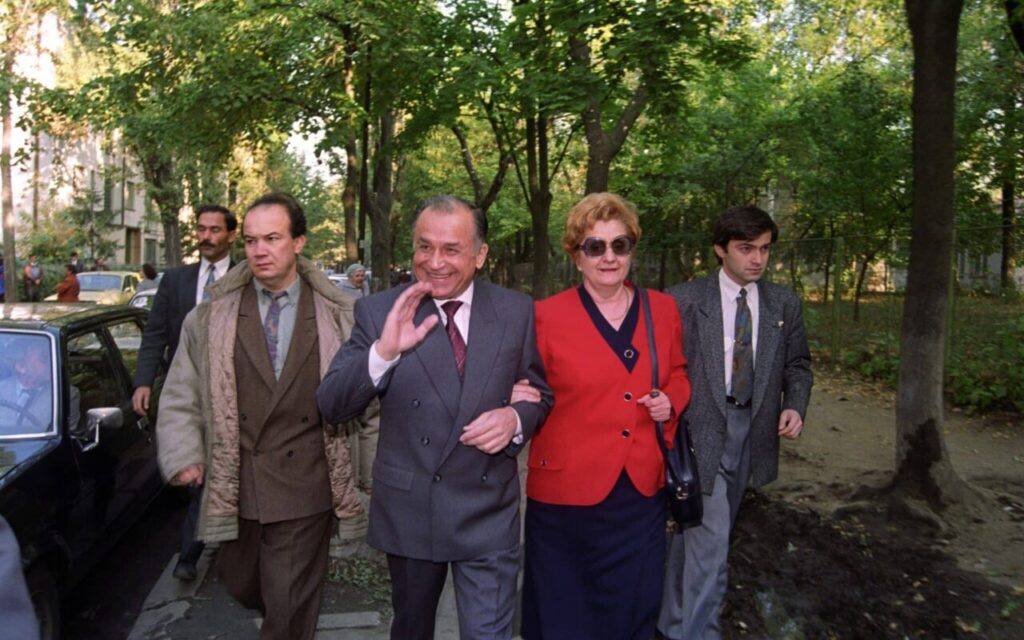
Iliescu won a decisive victory in Romania’s first democratic elections in May 1990 and was reelected in 1992. After a brief electoral defeat in 1996, he returned to the presidency in 2000 for a final term, during which Romania joined NATO in 2004 and signed the accession treaty to the European Union, formally becoming a member in 2007.
Despite his historic role in Romania’s democratic transition, Iliescu’s legacy is marred by legal controversies. Over the past two decades, he faced charges of crimes against humanity linked to violent crackdowns during the fall of communism. He was also indicted for his alleged involvement in deploying miners to suppress student protests after the 1990 election, a move that sparked international condemnation. Iliescu denied wrongdoing, and due to complex legal proceedings, he never stood trial.
His death closes a significant chapter in Romania’s modern history, marking the passing of a figure central to the country’s complex journey from dictatorship to democratic governance.
Credit: Punching.com





