

KYIV, Ukraine (BN24) — Ukrainian President Volodymyr Zelensky declared that Ukraine will not surrender territory to Russian occupiers, responding defiantly to announcements of a scheduled Trump-Putin summit next week that could involve territorial concessions as part of a peace settlement.
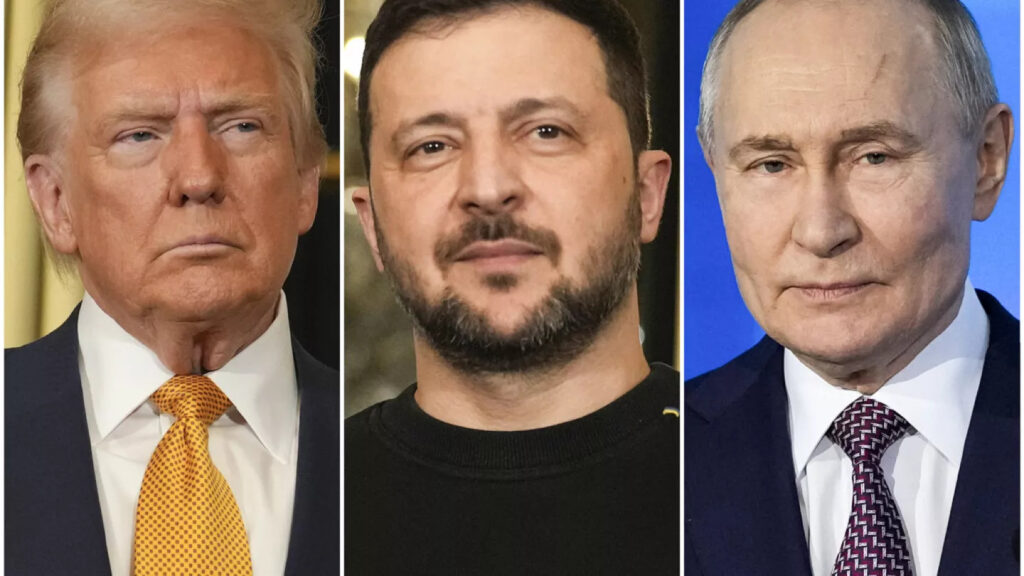
Zelensky issued his first reaction to the planned meeting through a statement on the messaging platform Telegram, asserting that Ukraine “will not give their land to occupiers” and warning that any solutions negotiated without Ukrainian participation would be “solutions against peace.”
The Ukrainian president’s firm stance came hours after U.S. President Donald Trump confirmed he would meet Russian President Vladimir Putin in Alaska on Friday, August 15, to discuss the ongoing war in Ukraine. Trump signaled that territorial compromises might be necessary, telling reporters that any peace deal would likely involve “some swapping of territories.”
CBS News, the BBC’s U.S. partner, reported that the White House is attempting to persuade European leaders to accept a peace agreement that would require Ukraine to surrender substantial territory, including the strategic Donbas, Kherson, and Zaporizhzhia regions to Russian control.
Under the proposed terms being discussed, Russia would retain the eastern Donbas region and Crimea while withdrawing forces from other Ukrainian territories where Moscow currently maintains some control. The White House has not confirmed these specific details, though Trump’s comments about territorial exchanges align with the reported framework.
Zelensky has consistently rejected any preconditions involving territorial concessions throughout the conflict. His latest statement emphasized that decisions made without Ukraine would “not achieve anything” and characterized such arrangements as “stillborn decisions” that are “unworkable.”
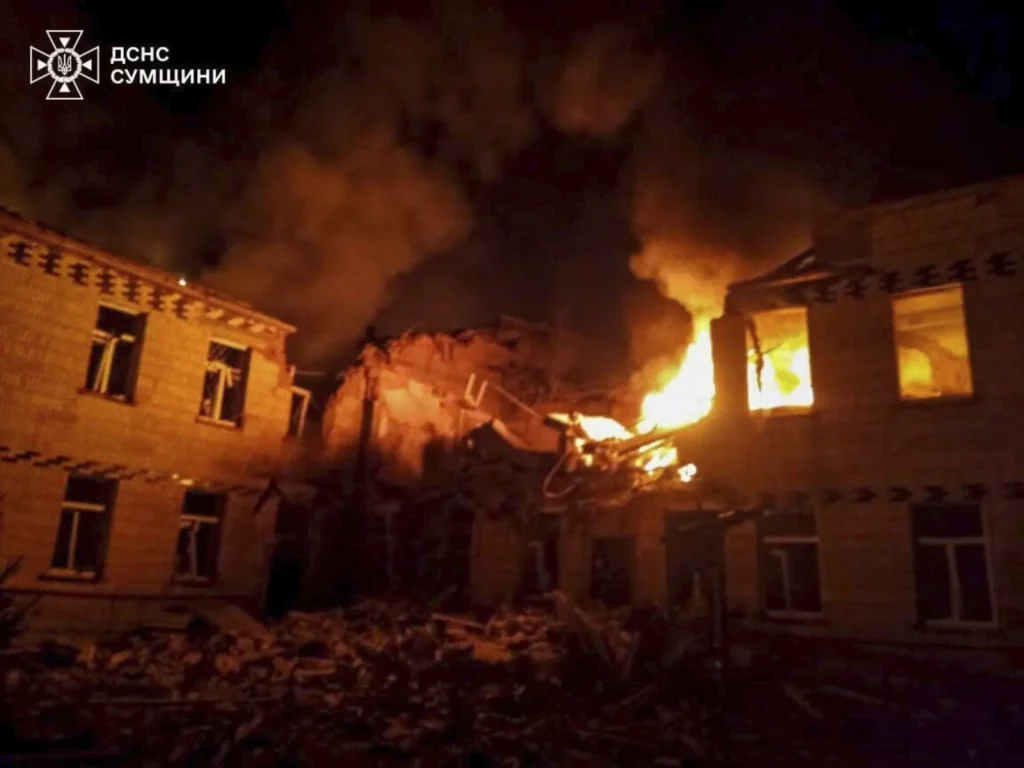
The Ukrainian leader directly addressed the Trump-Putin summit, noting that the meeting would occur “very far away from this war, which is raging on our land, against our people, and which anyway can’t be ended without us, without Ukraine.”
In a text and video statement released on social media platform X, Zelensky declared that “this war must be brought to an end, and Russia must end it. Russia started it and is dragging it out, ignoring all deadlines, and that is the problem, not something else.”
Despite his rejection of territorial concessions, Zelensky expressed willingness to collaborate with Trump on peace efforts. “We are ready to work with President Trump, together with all our partners” to achieve a “real” peace, the Ukrainian president stated.
The diplomatic maneuvering comes as Trump has increased pressure on Ukraine to reach a settlement. The U.S. president recently told Zelensky he must “get ready to sign something,” suggesting urgency in finalizing any potential agreement.
Trump had previously established a Friday deadline for Putin to agree to a ceasefire with Ukraine, but that deadline passed without any announced breakthrough or additional sanctions against Russia.
The conflict began with Russia’s full-scale invasion on February 24, 2022, when dozens of missile strikes targeted Ukrainian cities before dawn. Russian ground forces initially advanced rapidly, controlling large areas within weeks and reaching Kyiv’s suburbs while bombarding Kharkiv.
Russian forces initially captured territory extending from the east to the southern city of Kherson and surrounded the strategic port of Mariupol. However, they encountered strong Ukrainian resistance and faced serious logistical challenges, with poorly motivated troops suffering shortages of essential supplies.
By October 2022, the military situation had shifted dramatically. Having failed to capture Kyiv, Russia withdrew completely from northern Ukraine. Ukrainian forces recaptured Kherson the following month, marking a significant territorial recovery.
Since then, fighting has concentrated in eastern Ukraine, where Russian forces have slowly gained ground over many months. In 2024, Ukrainian forces achieved a notable success by capturing parts of Russia’s Kursk region, though they have since been pushed back from some of those positions.
The territorial discussion occurs against this backdrop of shifting front lines and sustained conflict that has lasted nearly three years. Any peace agreement involving territorial exchanges would formalize some of the geographic changes that have occurred through military action.
Zelensky’s firm rejection of land concessions reflects Ukraine’s consistent position that territorial integrity remains non-negotiable, even as international pressure mounts for a negotiated settlement to end the prolonged conflict.





