

JALALABAD, Afghanistan (BN24) — The Taliban’s crackdown to “prevent immorality” has intensified across Afghanistan, with more provinces losing access to fiber-optic internet as the country’s leader imposes a nationwide ban on the technology.
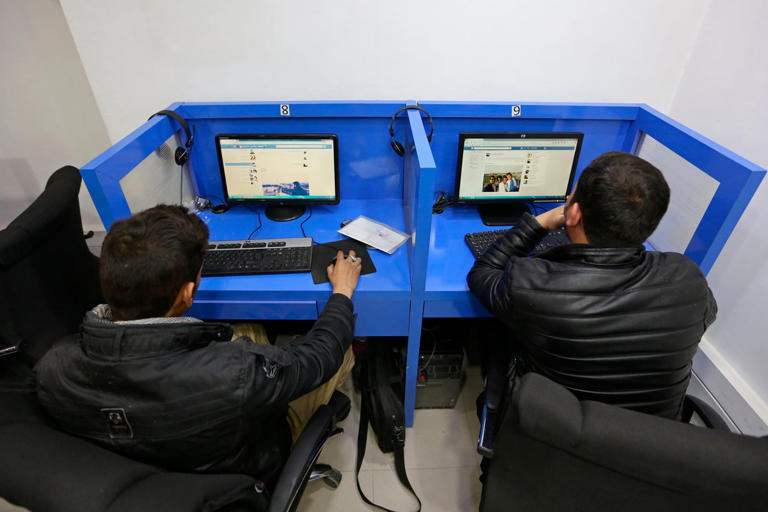
This marks the first time since the Taliban seized power in August 2021 that such a ban has been enforced, leaving government offices, businesses, public institutions, and homes without Wi-Fi internet. While mobile internet services remain operational, local officials have stated that they are working on alternatives to ensure access to “necessities.”
Balkh province in northern Afghanistan confirmed a Wi-Fi shutdown on Tuesday, with reports indicating significant disruption across the country. By Thursday, additional provinces, including Baghlan, Badakhshan, Kunduz, Nangarhar, and Takhar, reported losing internet access. Siddiqullah Quraishi from Nangarhar’s Culture Directorate confirmed the shutdown to The Associated Press. In Kunduz, the governor’s office shared the news via an official WhatsApp group.
The Afghanistan Media Support Organization condemned the ban, warning of its broader implications. The organization said in a statement, “This action, carried out on the orders of the Taliban’s leader, not only disrupts millions of citizens’ access to free information and essential services but also poses a grave threat to freedom of expression and the work of the media.”
The decision to impose the shutdown comes despite Afghanistan’s significant investment in fiber-optic infrastructure. Last year, Enayatullah Alokozai, a spokesman for the Communications Ministry, revealed that the country had developed a fiber-optic network spanning more than 1,800 kilometers (1,125 miles) and had approved plans to extend it by an additional 488 kilometers (305 miles). Before this latest ban, most Afghan provinces had access to fiber-optic services.
The continued crackdown on internet access has raised alarm over the future of media freedom and public access to information in Afghanistan, with many fearing the Taliban’s increasing control over the flow of information will further isolate the country from the global community.





