

LAGOS (AP) — Shoprite, once a dominant force in Nigeria’s retail sector, is facing a deepening crisis as operational challenges force the closure of multiple outlets and leave others struggling to stay afloat. The South African-born supermarket chain, which first entered Nigeria in 2005 and quickly became a symbol of modern retail, has seen its presence shrink in recent months amid mounting economic pressures.
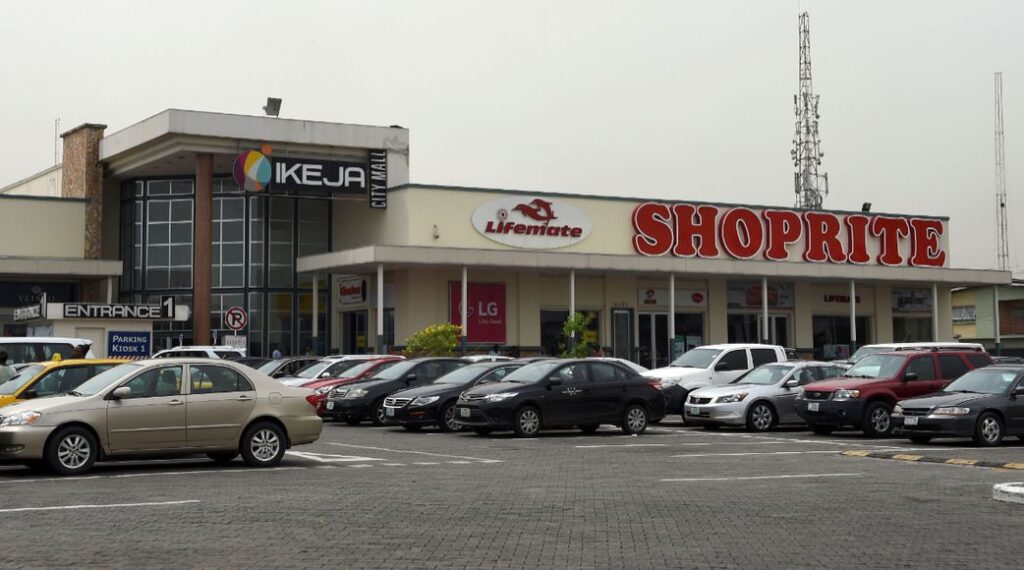
The latest blow came with the shutdown of its stores in Ilorin and Ibadan, signaling a worrying trend in what was once one of Shoprite’s most lucrative African markets. According to a report by Daily Trust, the closures are part of a broader pattern of distress, with other outlets across the country — particularly in Lagos and Abuja — reporting dwindling inventory, reduced foot traffic, and growing uncertainty among employees.
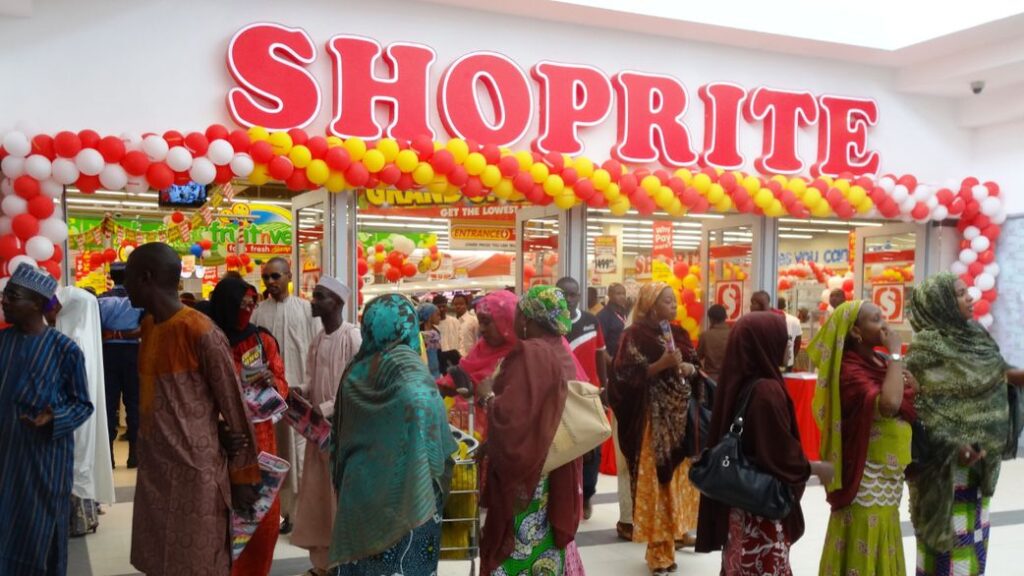
At the Ikeja City Mall in Lagos, the atmosphere is a far cry from the bustling scene it once was. Shelves that once brimmed with groceries and frozen goods now stand nearly bare. Aisles echo with silence, and staff members openly express concern about the supermarket’s future. One employee disclosed that the current management is still renegotiating supply agreements, which has delayed restocking. “Hopefully, when that is completed, things will return to normal,” she said. Others, however, said the supply disruptions have persisted for months, leaving staff increasingly anxious about job security.
A similar scenario is unfolding in Abuja, where the Shoprite branch at Jabi Lake Mall has also suffered from a prolonged lack of stock. Workers there revealed that no new goods had arrived in over two months. “Everybody here, our chest is beating because we don’t know what’s happening,” one staff member said, describing the air of uncertainty hanging over the store.
Shoprite’s decline in Nigeria began to take shape in 2021 after its South African parent company exited the country, selling its local operations to a Nigerian consortium. Since then, challenges have mounted. The company has been battered by surging operating costs, currency instability, rent hikes, and intensifying competition from emerging local and international retailers.
In Kano, where Shoprite previously closed its branch at Ado Bayero Mall, exorbitant rent costs were cited as a key factor. Reports indicate the supermarket paid approximately ₦66 million per month in rent, exclusive of power and staff expenses, a burden that proved unsustainable.
Despite the setbacks, current management insists that Shoprite is not exiting Nigeria. A spokesperson confirmed that restocking is expected to resume by the end of September and that negotiations with suppliers are ongoing. But with store closures mounting and visible signs of distress in key branches, many loyal customers and staff remain skeptical about a full recovery.
As Nigeria’s broader retail sector contends with inflation, foreign exchange scarcity, and shifting consumer habits, Shoprite’s struggles may be a bellwether for the state of large-scale retail in Africa’s most populous nation. Whether the once-flagship supermarket chain can adapt and survive in this evolving landscape remains to be seen.





