

ARERTI, Ethiopia (BN24) — A deadly scaffolding collapse at a church in Ethiopia has left at least 22 people dead and 55 others injured, many critically, as they attended the annual Virgin Mary festival in the town of Arerti. The incident occurred early Wednesday morning at around 7:45 a.m. local time, during one of the country’s largest religious events, which attracts thousands of pilgrims every year.
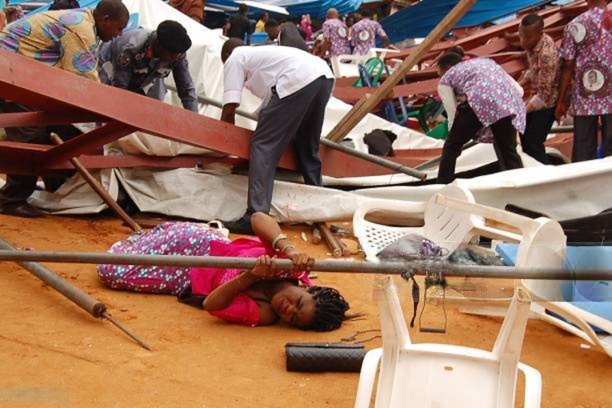
The incident took place in the town of Arerti, approximately 70 kilometers (43 miles) east of the Ethiopian capital, Addis Ababa. Authorities reported that a large crowd had gathered at the church for the Virgin Mary festival, which is an important pilgrimage in the Ethiopian Orthodox Church. The collapse occurred when the makeshift scaffolding, erected for the festival’s activities, gave way, causing people to fall under a heap of wooden beams and debris.
Local official Atnafu Abate confirmed the death toll, stating that 22 people were confirmed dead by the Ethiopian Broadcasting Corporation (EBC). “Many pilgrims were killed or sustained physical injuries,” Abate said, adding that the number of wounded is expected to rise as more are taken to hospitals. According to hospital sources, some of the injured were transferred to Addis Ababa for treatment.
Several victims remain trapped under the rubble, though rescue efforts were continuing through the day, with emergency teams working to recover any remaining survivors. EBC aired images of the scene showing crowds of people gathered around the site, with collapsed wooden poles and other debris scattered throughout the area. One image showed a view of the church, where the scaffolding had been constructed in a makeshift manner, with little apparent regard for safety standards.
The local authorities have not yet provided additional details on the number of people still trapped under the rubble. Still, emergency crews have been working to clear the debris and search for survivors. The disaster has prompted an outpouring of grief and anger from families and community members, with many questioning why the scaffolding was constructed so haphazardly.
The festival is a key event for Ethiopia’s Ethiopian Orthodox Christians, many of whom travel from all over the country to participate in prayers and other religious rituals in honor of the Virgin Mary. This year’s festival, which was expected to draw thousands of pilgrims, has now turned into a tragedy, leaving families mourning the loss of loved ones.
Health and safety regulations are virtually non-existent in Ethiopia, and construction accidents are not uncommon. Makeshift scaffolding and poorly constructed buildings are frequent concerns in the country, particularly during major religious events or festivals. Many of the structures used in such events lack proper safety oversight, making them vulnerable to collapse, especially under heavy weight or stress.
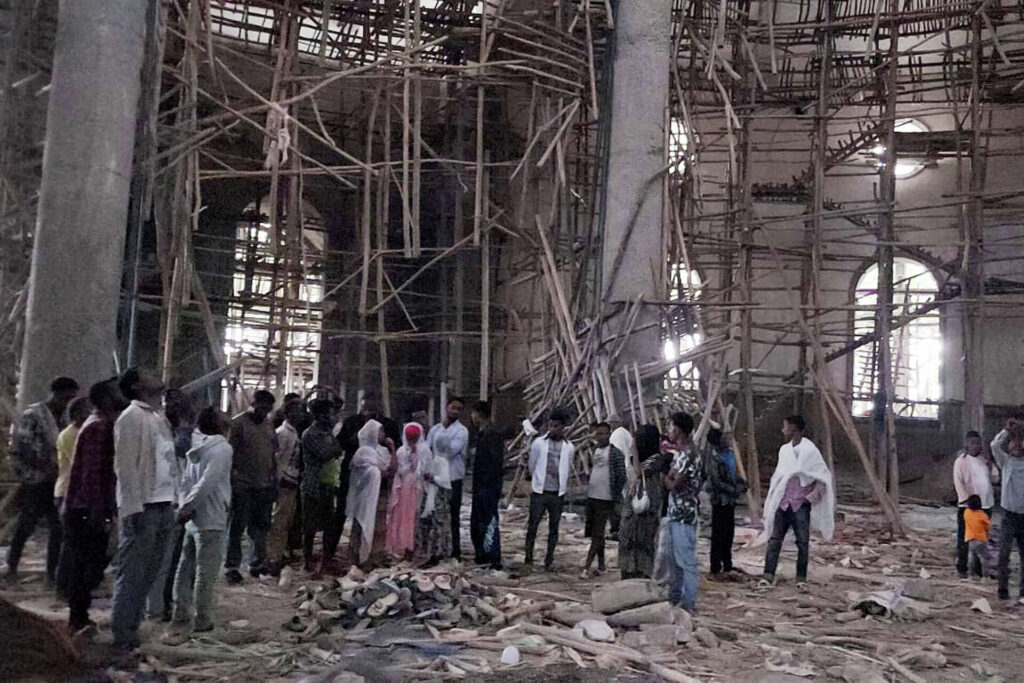
Ethiopia, Africa’s second-most populous country, is home to a rich Christian heritage. The Ethiopian Orthodox Church, which traces its roots to the early Axumite Empire, is one of the oldest Christian institutions in the world. Despite its deep religious traditions, the country struggles with infrastructure issues and has long faced challenges in enforcing construction safety standards. These systemic problems often result in unsafe building practices and, tragically, frequent accidents during public events.
The government has launched an investigation into the cause of the scaffolding collapse, with officials suggesting that the construction may have been improperly secured. Experts believe that the makeshift scaffolding, lacking proper structural integrity, may have failed under the weight of the crowd and other materials used for the event.
In the wake of the disaster, the Ethiopian Orthodox Church has expressed condolences for the victims and their families. Religious leaders have called for a thorough investigation into the cause of the tragedy, as well as stronger regulations to prevent similar accidents in the future.
As rescue operations continue and investigations unfold, Ethiopians remain shocked by the scale of the tragedy, which has underscored ongoing concerns about construction safety in the country. The festival, which was meant to celebrate faith and community, has instead become a painful reminder of the vulnerabilities in Ethiopia’s infrastructure and the importance of enforcing safety standards.
The tragedy marks another devastating incident in a country that has struggled with building safety for years, following a string of other accidents, including fatal collapses of residential and public buildings. Authorities are under increasing pressure to address the root causes of these accidents and implement stricter construction regulations, particularly for events that draw large crowds.





