

MOGADISHU, Somalia (BN24) — Seven al-Shabab militants disguised as soldiers were killed after storming a high-security prison in Somalia’s capital Saturday evening, Somali authorities confirmed, in an audacious attack that shook one of Mogadishu’s most heavily guarded areas.
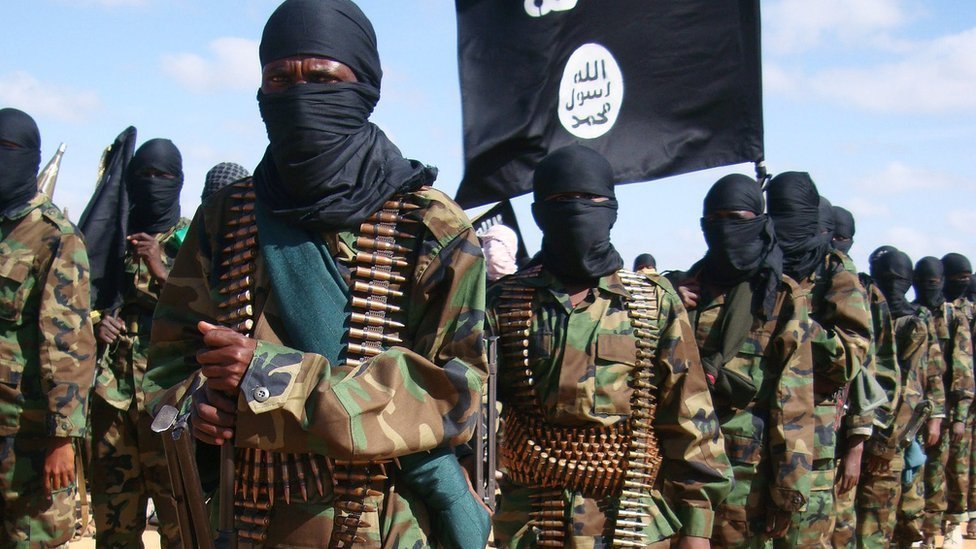
Gunfire and a massive explosion rang out around Godka Jilicow prison, located near the presidential palace, just after 4:40 p.m. local time. The facility, operated by Somalia’s National Intelligence and Security Agency (NISA), holds high-risk detainees, including members of the al-Qaeda-linked militant group.
In a statement issued late Saturday, al-Shabab claimed responsibility for the raid, alleging it had freed “all the Muslim prisoners” and inflicted severe casualties on prison guards. That claim could not be independently verified, and Somali officials have not reported any escapes.
The government-run Sonna Live news agency reported that the attackers had posed as Somali soldiers to gain access to the prison. The tactic appears to have allowed them to breach security at a site considered among the most fortified in the capital.
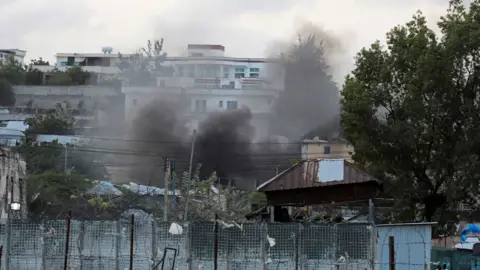
Authorities did not disclose how many security personnel were killed in the firefight but offered condolences to the families of “the fallen heroes.” Al-Shabab also withheld the number of its own fighters killed in the operation.
The incident is likely to intensify scrutiny of NISA’s security protocols, particularly given the facility’s proximity to the presidency. It comes just hours after the government reopened several key roads in Mogadishu, citing a recent decline in militant threats.
Al-Shabab has waged an insurgency in Somalia for nearly two decades and frequently targets government and security installations. Despite ongoing military operations against the group, it continues to launch high-profile attacks, especially in urban centers.
The infiltration of one of the most secure zones in Mogadishu marks a symbolic and tactical blow to Somali intelligence operations, raising fresh concerns about the group’s reach and the vulnerability of critical state infrastructure.





