

WASHINGTON — President Donald Trump left the door open Monday to pardoning Ghislaine Maxwell, who was convicted of helping the late financier and convicted sex offender Jeffrey Epstein sexually abuse teenage girls, while also revealing that Sean “Diddy” Combs has requested clemency following his recent prison sentence.
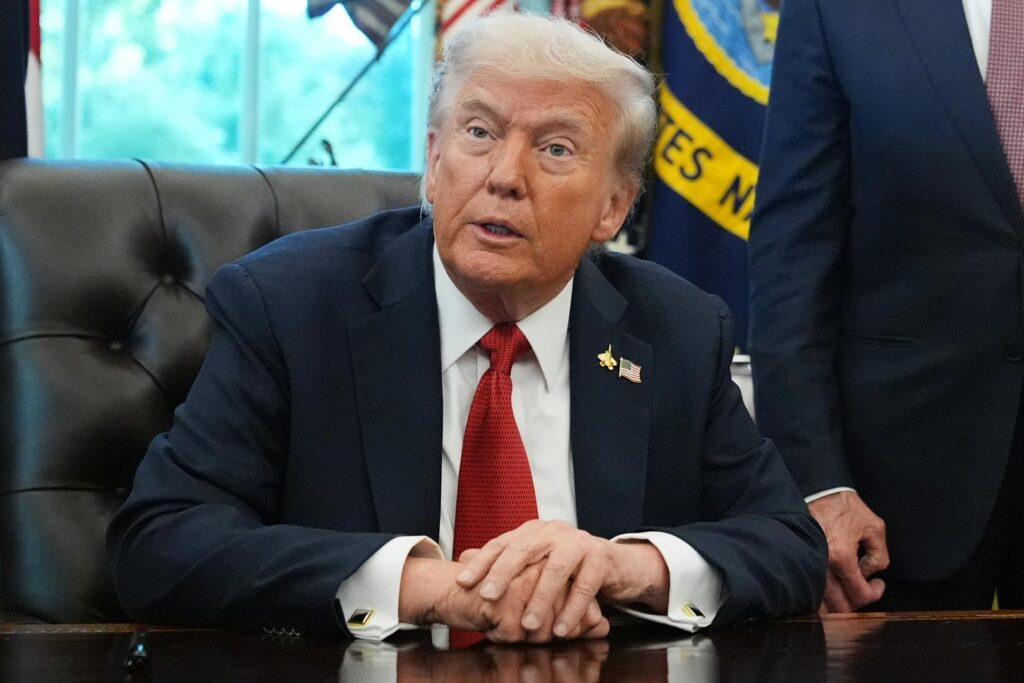
Trump indicated he would consult with the Department of Justice regarding Maxwell’s case after the U.S. Supreme Court declined to hear her bid to overturn her conviction. When asked whether he would grant Maxwell freedom through a pardon, Trump said he needed to examine the matter more closely.
“I haven’t heard the name in so long. I can say this, that I’d have to take a look at it. I would have to take a look,” Trump said. “I will speak to the DOJ.”
The president’s comments came on the same day the nation’s highest court rejected Maxwell’s appeal, leaving her conviction intact. Maxwell was found guilty of facilitating Epstein’s sexual abuse of underage girls and is currently serving her sentence.
Trump also disclosed that Combs, who was sentenced Friday to more than four years in prison following his conviction on prostitution-related charges, has formally requested a presidential pardon. “I call him ‘Puff Daddy’ has asked me for a pardon,” Trump said, using the hip-hop mogul’s former stage name.
The Epstein case has troubled Trump and his Justice Department for months, creating unusual friction with the president’s Make America Great Again political base. Supporters have been uncharacteristically critical of the administration for not releasing more information about Epstein’s crimes and alleged associates.
Trump and Epstein maintained a friendship that later ended in a falling out between the two men. Epstein died in a Manhattan jail cell in 2019 while awaiting trial on sex trafficking charges, with his death ruled a suicide.
Issuing a pardon to Maxwell would carry significant political risk for Trump. Both his supporters and Democratic opponents have demanded that the administration release files from the Justice Department’s investigation into Epstein’s criminal network and alleged co-conspirators.
The president acknowledged that many people have approached him seeking pardons but specifically mentioned Combs among those who have made formal requests for clemency. Trump did not indicate whether he was inclined to grant either Maxwell or Combs relief from their convictions.
Maxwell’s conviction stemmed from her role in recruiting and grooming young girls for sexual abuse by Epstein over multiple years. Prosecutors presented evidence that she participated directly in the abuse and helped maintain Epstein’s network of victims.
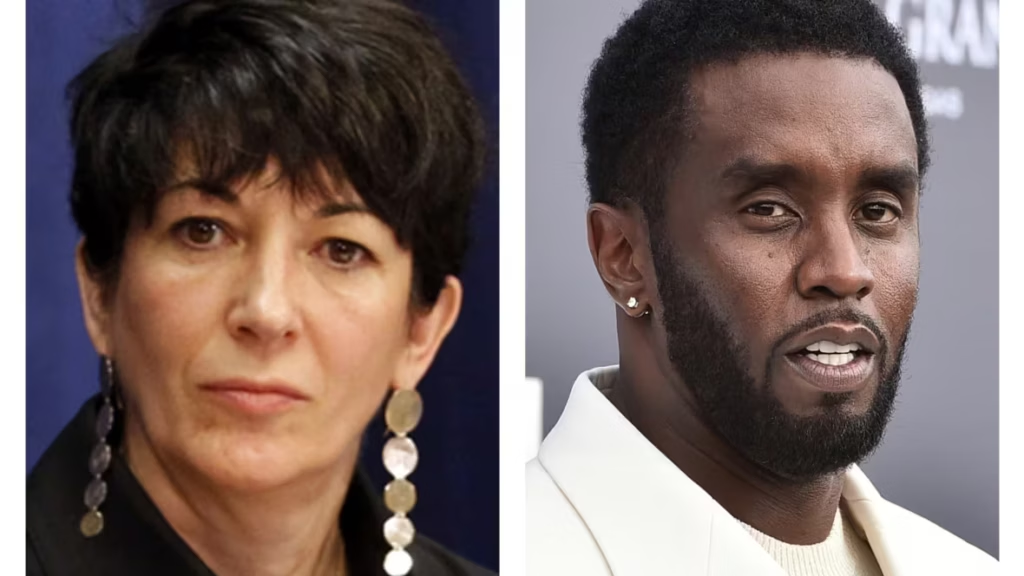
Combs was convicted on two counts of arranging for paid male escorts to travel across state lines to participate in drug-fueled sexual performances with his girlfriends while he recorded video. The jury acquitted him on more serious racketeering and sex trafficking charges that could have resulted in a life sentence.
The pardon requests come as Trump has faced pressure from various quarters regarding his use of presidential clemency powers. Critics have questioned his criteria for granting pardons, while supporters argue he should exercise more leniency toward certain categories of offenders.
Trump’s indication that he would consult with the Justice Department regarding Maxwell suggests he is not prepared to make an immediate decision on her case. Such consultation could provide political cover for whatever determination he ultimately reaches.
The president’s comments about multiple pardon requests highlight the constant stream of clemency petitions that reach the White House. Trump noted that numerous individuals have sought pardons during his administration, with Combs representing one of the more high-profile recent requests.
Maxwell’s legal team has maintained throughout her appeals that she did not receive a fair trial and that prosecutors improperly used her conviction to substitute for the criminal accountability that Epstein escaped through his death. The Supreme Court’s refusal to hear her case effectively exhausts her direct appeal options.
The political calculations surrounding a potential Maxwell pardon are complex. Trump’s base has expressed frustration with what they perceive as incomplete disclosure about Epstein’s network, while simultaneously many would likely oppose clemency for Maxwell given the serious nature of her crimes involving minors.
Democratic opponents have consistently demanded transparency regarding the Epstein investigation and would likely view any pardon for Maxwell as evidence of improper influence or an attempt to prevent further revelations about Epstein’s associates.
Trump’s statement that he has not heard Maxwell’s name “in so long” suggests the case has not been at the forefront of White House discussions, though it remains a subject of intense public interest given Epstein’s connections to numerous powerful figures.
The president did not provide a timeline for his consultation with the Justice Department regarding Maxwell or indicate what factors would influence his final decision on her pardon request, if one has been formally submitted.





