

Nairobi (BN24) – Raila Odinga, the former prime minister of Kenya and a towering figure in African politics whose populist campaigns reshaped his country’s political landscape for decades, died Wednesday at age 80 while traveling in India.
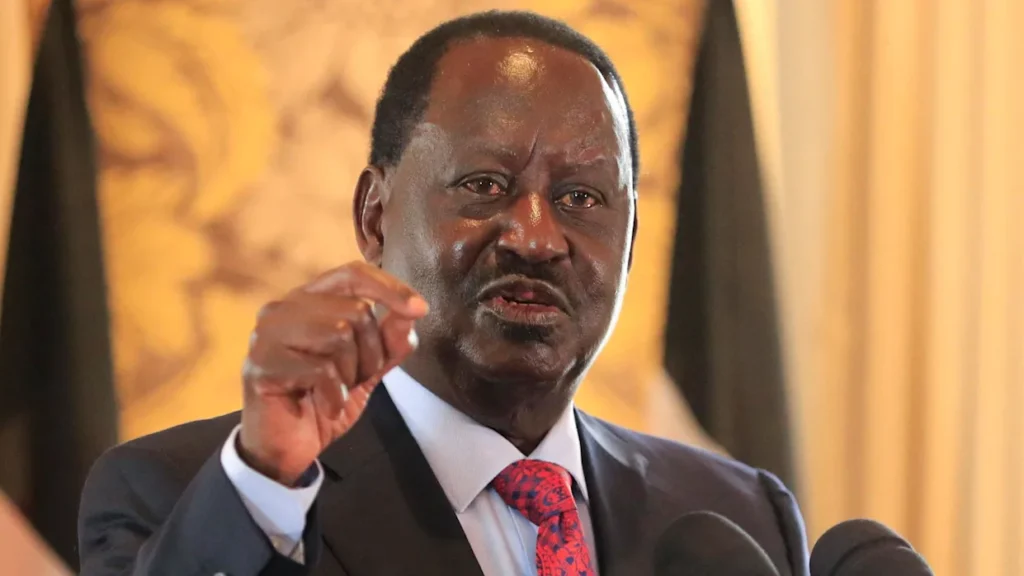
Odinga suffered a fatal heart attack during a morning walk in Kerala State, India, according to Devamatha Hospital, where he was rushed after collapsing. The hospital said in a statement that he suffered a cardiac arrest and did not respond to resuscitation efforts. His death marks the end of an era for Kenya, where Odinga remained a powerful voice even outside of elected office.
A perennial presidential contender, Odinga ran five times over three decades, coming closest to winning in 2007 when he narrowly lost to then-President Mwai Kibaki in a deeply disputed election. The official results — 46% for Kibaki and 44% for Odinga — remain the tightest in Kenyan history. The disputed outcome led to widespread ethnic violence, exposing deep divisions within the country’s political system.
Odinga, a member of the Luo ethnic group from western Kenya’s Nyanza province, built his political career by positioning himself as a champion of democratic reform. He was instrumental in pushing Kenya from a one-party state to a multiparty democracy in the 1990s. His activism, charisma, and grassroots appeal earned him a devoted following across the country.
His campaigns were marked by his ability to unite political rivals and tribal kingpins. In 2007, he emerged as the rallying figure for several key groups, drawing unprecedented crowds to his campaign rallies. Many observers at the time believed he was poised to take the presidency.
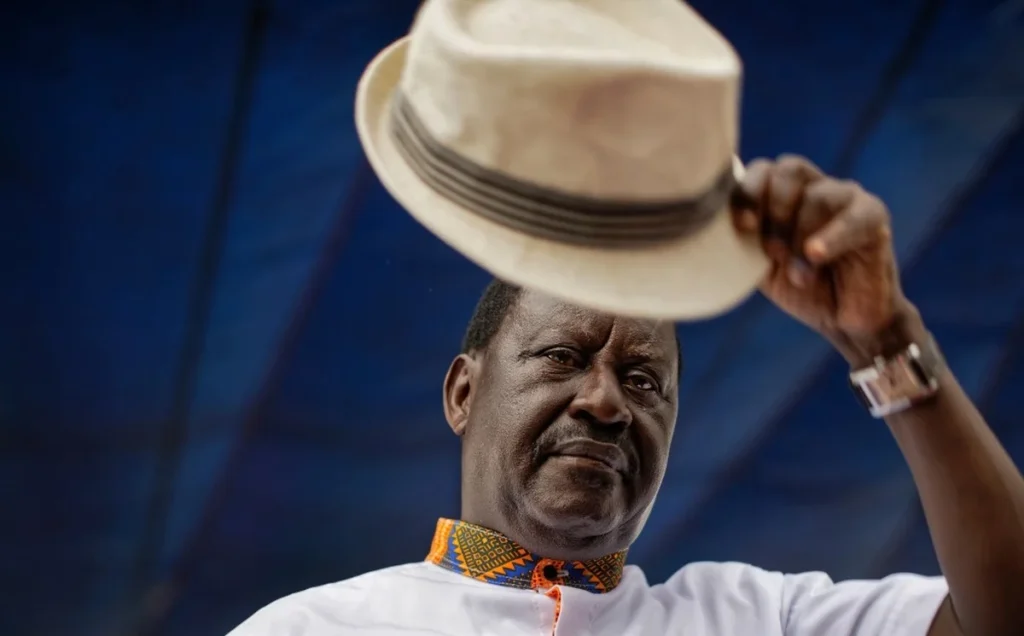
Although Kibaki’s administration had delivered solid economic growth during its first term, corruption scandals and political fatigue made his government vulnerable. The disputed election result led to unrest that shocked the nation. Later, the head of the electoral authority admitted he was uncertain whether Kibaki had actually won.
Despite never becoming president, Odinga maintained significant influence over Kenyan politics. Most recently, he signed a political pact with President William Ruto that integrated his opposition party into the government, giving it a role in key policymaking and cabinet appointments.
Odinga’s death leaves a void in Kenya’s political arena. Revered by many as a statesman and reformist, he was seen as both a challenger of entrenched systems and a unifying figure who bridged political divides.





