

Brazilian coffee, beef and tropical fruit bound for the United States will continue to face 40% tariffs, Brazilian Vice President Geraldo Alckmin said Saturday, underscoring that President Donald Trump’s latest rollback of import taxes does not extend to some of Brazil’s most important exports.
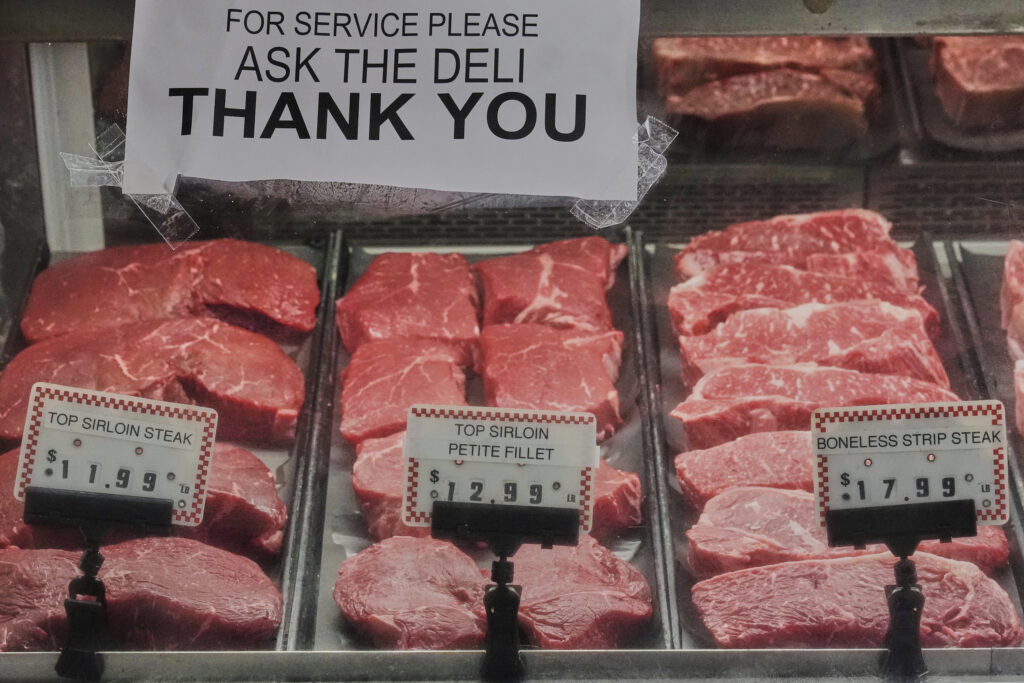
Speaking in Brasília, Alckmin said Trump’s decision Friday to eliminate certain levies announced in April did not remove the heavier 40% tariff imposed in July on Brazilian goods such as coffee, beef and tropical fruits, including mangos and pineapples. Those items were initially hit with a 10% tariff on what Trump labeled “Liberation Day,” a move he said would boost domestic production and stimulate the U.S. economy. The second, much steeper tariff was added after Brazil’s trial of former President Jair Bolsonaro, a Trump ally whom Trump has repeatedly defended and described as a victim of a “witch hunt.” Bolsonaro was later sentenced to 27 years and three months in prison for attempting a coup.
Alckmin noted that some products, including orange juice, will now be exempt from tariffs because they were not included in the July escalation. But he emphasized that the remaining 40% duty on major agricultural exports continues to distort trade. He called Trump’s rollback “positive” but stressed that Brazil’s situation remained “very high” compared to other countries. “Everyone got 10% less, but in Brazil’s case, which had 50%, we ended up with 40%,” Alckmin said.
According to Alckmin, the policy change means 26% of Brazilian goods are now entering the U.S. without additional tariffs, a modest rise from 23%. Trump’s July tariff hike had plunged U.S.-Brazil relations to their lowest point in history, but both nations have since moved to repair ties. In October, Brazilian President Luiz Inácio Lula da Silva met with President Donald Trump in Malaysia, a discussion Alckmin described as important for rebuilding dialogue and negotiating future trade arrangements. Lula later said he believed a bilateral trade deal could be reached soon.
Diplomatic efforts have continued, with U.S. Secretary of State Marco Rubio and Brazilian Foreign Minister Mauro Vieira holding a 50-minute meeting this week to advance talks.
The Trump administration has defended its tariff policies as revenue-positive and downplayed their role in rising grocery costs. But Democrats have argued that Trump’s sudden reversal on some levies amounts to a tacit admission that his tariffs have contributed to higher consumer prices, particularly in the beef market. Brazil, one of the world’s largest beef exporters, plays a significant role in global supply, and Trump previously said reducing prices was a priority.
In Brazil, the country’s coffee industry is closely monitoring the situation. Pavel Cardoso, president of the Brazilian Association of the Coffee Industry, said the sector would continue pressing for stability, competitiveness and predictability as tariff discussions evolve.
AP





