

Jimmy Cliff, the charismatic Jamaican singer who helped transform reggae from Caribbean regional sound into global musical phenomenon through his starring role in the landmark 1972 film “The Harder They Come” and an extraordinary catalog of socially conscious songs spanning six decades, died Monday at age 81, according to his wife Latifa Chambers.
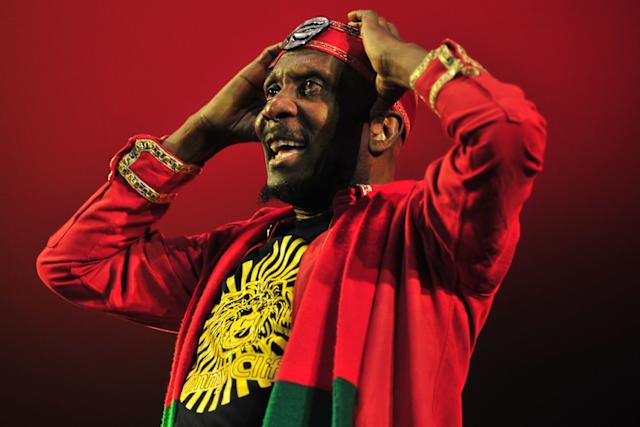
The cause was a seizure followed by pneumonia, Chambers announced on social media Monday, thanking medical staff and fans worldwide for their support. “It’s with profound sadness that I share that my husband, Jimmy Cliff, has crossed over due to a seizure followed by pneumonia,” she wrote. “To all his fans around the world, please know that your support was his strength throughout his whole career. He really appreciated each and every fan for their love.”
Cliff’s death removes one of reggae music’s foundational figures, an artist whose infectious optimism, defiant spirit and humanitarian messaging created anthems that transcended cultural boundaries while giving voice to marginalized communities. Born James Chambers on July 30, 1944 during a hurricane in St. James Parish, northwestern Jamaica, he achieved national fame at just 14 years old with “Hurricane Hattie” before embarking on a career that would produce over 30 albums, two Grammy Awards, and induction into the Rock and Roll Hall of Fame in 2010.
Cultural Impact of “The Harder They Come”
“The Harder They Come,” directed by Perry Henzell and starring Cliff as aspiring reggae musician Ivanhoe “Ivan” Martin who turns to crime when his career stalls, stands as watershed moment not only for Cliff’s career but for Jamaican cinema and reggae music’s global expansion. The film, Jamaica’s first major commercial release, initially sold few tickets despite critical praise from reviewers including Roger Ebert. However, it has since achieved status as cultural touchstone, with its soundtrack widely cited among the greatest ever recorded and credited as turning point in reggae’s worldwide ascendance.
Cliff recalled the film’s origins in a 2022 Variety interview marking its 50th anniversary, explaining that Ivanhoe represented “a real-life character for Jamaicans” he had heard about as a child. “When I was a little boy, I used to hear about him as being a bad man. A real bad man. No one in Jamaica, at that time, had guns. But he had guns and shot a policeman, so he was someone to be feared. However, being a hero was the manner in which Perry wanted to make his name — an anti-hero in the way that Hollywood turns its bad guys into heroes.”
The film’s delayed release, postponed some two years due to sporadic funding, ultimately proved fortuitous as reggae’s popularity surged internationally during the early 1970s. For a period, Cliff rivaled Bob Marley as the genre’s most prominent artist, with the “Harder They Come” soundtrack featuring Cliff on four of eleven songs alongside Toots and the Maytals, the Slickers and Desmond Dekker. Each of Cliff’s contributions entered the reggae canon as essential recordings that defined the genre’s sound and social consciousness.
Signature Songs and Enduring Musical Legacy
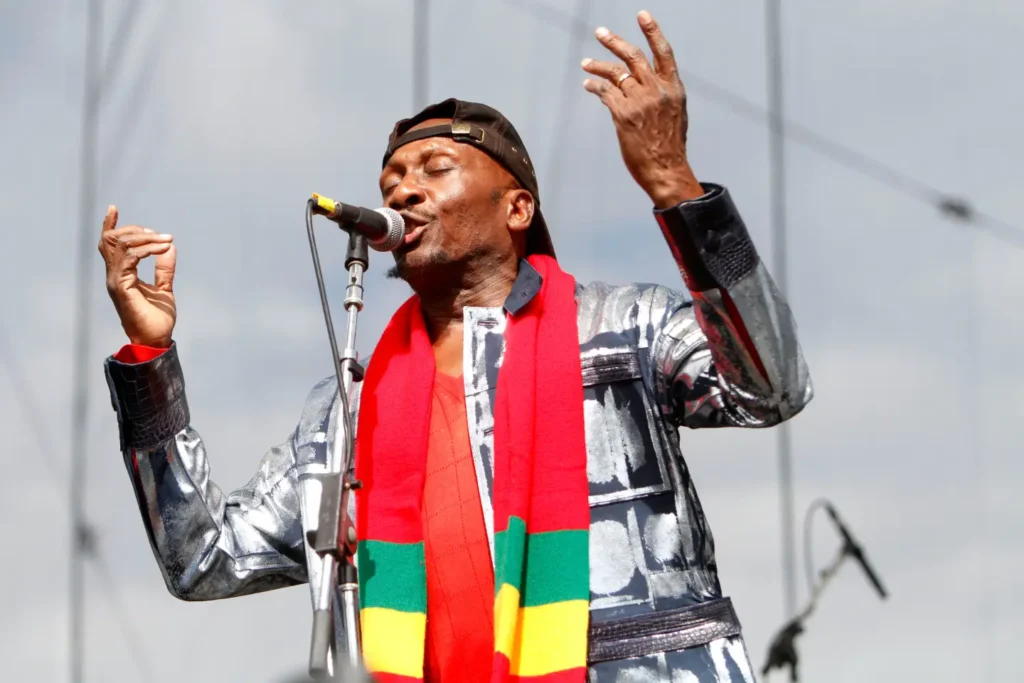
“Sitting in Limbo” captured moody hopefulness of lives in restless motion, while “You Can Get It If You Really Want” and the title track “The Harder They Come” delivered calls for action with vows of ultimate justice: “The harder they come, the harder they fall, one and all.” Yet perhaps Cliff’s most emotionally resonant composition, “Many Rivers to Cross,” emerged from his confrontation with racism in England during the 1960s.
“It was a very frustrating time. I came to England with very big hopes, and I saw my hopes fading,” Cliff told Rolling Stone in 2012, explaining the gospel-influenced lament that became one of reggae’s most covered and celebrated songs. The composition’s weary spiritual cry resonated across cultures and generations, performed by artists ranging from John Lennon to UB40 while appearing in countless films and television programs.
Cliff’s international breakthrough accelerated during the late 1960s after signing with Island Records, the world’s leading reggae label founded by Chris Blackwell, who also launched Bob Marley and the Wailers to global stardom. Though Blackwell tried marketing Cliff to rock audiences with limited initial success, the singer still reached new listeners through his cover of Cat Stevens’ “Wild World” and the top-ten UK hit “Wonderful World, Beautiful People.”
His widely heard protest anthem “Vietnam,” which Bob Dylan reportedly called “the greatest protest song ever written” according to Cliff’s official website, was inspired by a friend who served in the war and returned damaged beyond recognition. The song exemplified Cliff’s humanitarian perspective, weaving social justice themes throughout his extensive catalog while maintaining infectious melodicism that made political messages accessible to mainstream audiences.
From Kingston Youth to International Recognition
Cliff moved from his family’s farm to Jamaica’s capital Kingston during the 1950s with his father, determined to succeed in the music industry during a transformative period when the nation gained independence from Britain and early sounds of reggae—initially called ska and rocksteady—were catching on. Adopting the stage name Jimmy Cliff, he scored local hits including “King of Kings” and “Miss Jamaica” before being selected to represent his country at the 1964 World’s Fair in New York City, a prestigious showcase that introduced him to American audiences.
“Reggae is a pure music. It was born of the poorer class of people,” Cliff told Spin magazine in 2022. “It came from the need for recognition, identity and respect.” This connection to reggae’s working-class origins and social justice foundations remained constant throughout his career, even as he achieved international fame that placed him among music’s elite performers.
His success contradicted the narrative of “The Harder They Come,” where fictional Ivan Martin’s musical ambitions are crushed by industry exploitation and corruption. Cliff overcame similar barriers that derailed countless talented Jamaicans, though he remained conscious of how exceptional his trajectory proved. “Back in those days there were few of us African descendants who came through the cracks to get any kind of recognition,” he told The Guardian in 2021. “It was easier in music than movies. But when you start to see your face and name on the side of the buses in London that was like: ‘Wow, what’s going on?'”
Sustained Creative Output Across Decades
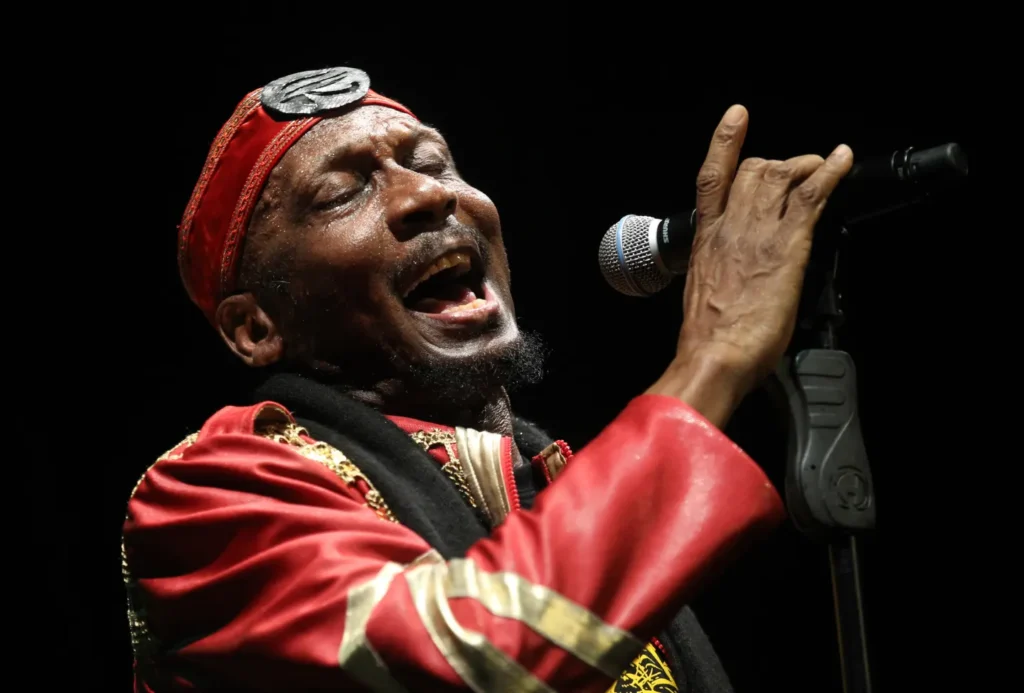
Though Cliff’s commercial peak coincided with “The Harder They Come,” he maintained steady creative output for decades following a brief hiatus in the late 1970s. His collaborations included session work with the Rolling Stones and recordings with Wyclef Jean, Sting, Annie Lennox, Elvis Costello and Paul Simon among others. His biggest Billboard hit arrived in 1993 with a top-twenty remake of “I Can See Clearly Now” from the “Cool Runnings” soundtrack, introducing his music to a new generation raised on the film’s feel-good celebration of Jamaican bobsled team determination.
Cliff earned seven Grammy nominations throughout his career, winning twice for best reggae album: in 1985 for “Cliff Hanger” and in 2012 for “Rebirth,” produced by punk band Rancid’s Tim Armstrong and widely regarded as his strongest work in years. His other notable albums included the Grammy-nominated “The Power and the Glory,” “Humanitarian” and the 2022 release “Refugees,” demonstrating continued relevance and creative vitality into his eighth decade.
His music achieved political significance beyond entertainment value, with Nicaragua’s Sandinistas using “You Can Get It If You Really Want” as campaign theme while Bruce Springsteen expanded Cliff’s U.S. audience through his live cover of “Trapped,” featured on the million-selling 1985 charity album “We Are the World.” These adoptions by political movements and major rock stars testified to the universal appeal of Cliff’s messages about perseverance, justice and human dignity.
Acting Career and Cultural Representation
Beyond “The Harder They Come,” Cliff appeared in Robin Williams comedy “Club Paradise,” contributing several songs to the soundtrack and performing with Elvis Costello on “Seven Day Weekend.” He also participated in Steve Van Zandt’s anti-apartheid protest anthem “Sun City,” joining an international coalition of artists taking public stand against South African racial oppression. These projects demonstrated Cliff’s commitment to using his platform for causes beyond commercial success.
“The Harder They Come” redefined international perceptions of Jamaica beyond tourist-brochure images of beaches, cocktails and waterfalls, instead portraying the grittier realities of Jamaican life including poverty, violence and structural inequality. This more honest representation proved revolutionary, establishing template for authentic Caribbean cultural expression that influenced generations of filmmakers and musicians from the region.
Director Henzell reportedly convinced Cliff to accept the role by flattering him: “You know, I think you’re a better actor than singer,” Cliff recalled him saying. Though primarily a musician, Cliff delivered compelling performance that made Ivan Martin’s tragic arc emotionally resonant while his natural charisma translated effectively to screen, suggesting alternate career path he might have pursued had circumstances been different.
Recognition and Honors
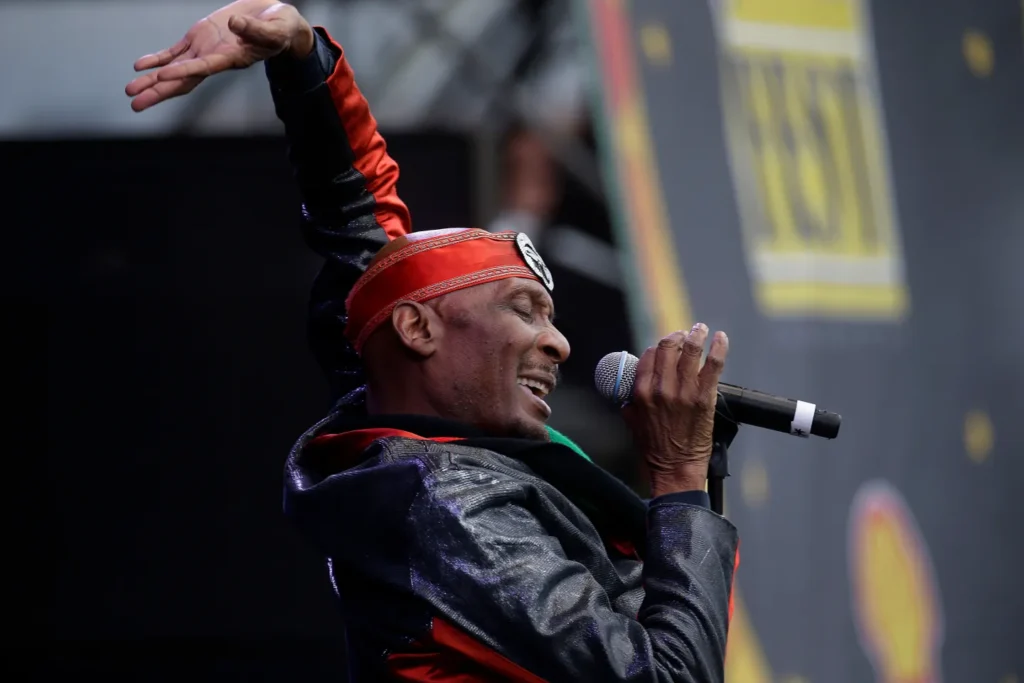
The Jamaican government awarded Cliff the Order of Merit, the nation’s highest honor in arts and sciences, recognizing his role in elevating Jamaica’s cultural profile internationally. His 2010 Rock and Roll Hall of Fame induction acknowledged reggae’s influence on global popular music and Cliff’s specific contributions to the genre’s development and worldwide dissemination.
These official recognitions arrived after decades during which Cliff’s music provided soundtrack for social movements, personal struggles and celebrations across cultures. His songs appeared in films, television shows and commercials while being covered by artists across genres, from rock to pop to hip-hop, demonstrating the universal language of his melodies and messages.
Final Years and Lasting Hunger
Despite losing his sight in later years, Cliff maintained creative ambition and performing schedule into his final decade. “When I’ve achieved all my ambitions, then I guess that I will have done it and I can just say ‘great,'” he said in a 2019 interview. “But I’m still hungry. I want it. I’ve still got the burning fire that burns brightly inside of me. I still have many rivers to cross!”
This reference to his signature song captured Cliff’s philosophy of constant forward motion despite obstacles, challenges and limitations. The spiritual restlessness that produced “Many Rivers to Cross” never dissipated, driving him to continue creating and performing even as physical capabilities diminished with age.
His 2022 album “Refugees” addressed contemporary displacement crises, demonstrating that social consciousness animating his 1960s protest songs remained vital. The humanitarian perspective that characterized his entire career—giving voice to the oppressed while celebrating resilience and joy—defined his artistic legacy as much as any particular song or performance.
For fans worldwide, Cliff’s music provided more than entertainment; it offered affirmation that struggle need not extinguish hope, that poverty need not crush spirit, and that marginalized voices deserve to be heard. These messages, delivered through infectious melodies and Cliff’s spirited tenor, transcended language barriers and cultural differences to touch millions across generations.





