

ANKARA, Turkey — Libya’s army chief of staff, Mohammed Ali Ahmed Al-Haddad, perished Tuesday in a plane crash near Ankara alongside four senior military officers after departing the Turkish capital following official bilateral meetings, Libyan Prime Minister Abdulhamid Dbeibah announced.
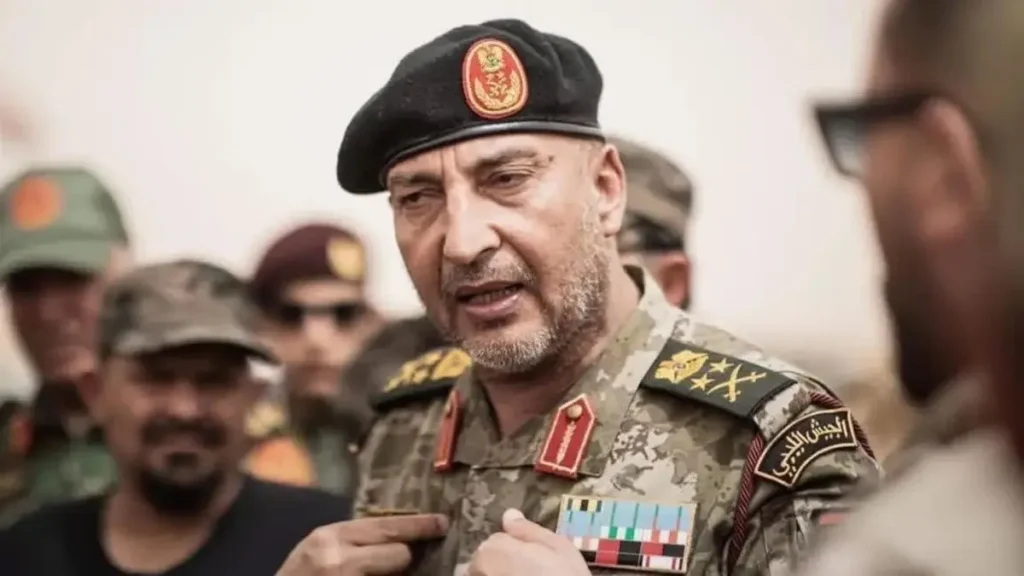
“This followed a tragic and painful incident while they were returning from an official trip from the Turkish city of Ankara. This grave loss is a great loss for the nation, for the military institution, and for all the people,” Dbeibah said in a statement.
The commander of Libya’s ground forces, the director of its military manufacturing authority, an adviser to the chief of staff, and a photographer from the chief of staff’s office also died in the crash, the prime minister said.
Turkish Interior Minister Ali Yerlikaya stated on X that the Dassault Falcon 50-type jet departed Ankara’s Esenboga Airport at 1710 GMT en route to Tripoli. Radio contact was lost at 1752 GMT, he said, and authorities subsequently located the aircraft’s wreckage near Kesikkavak village in Ankara’s Haymana district.
The jet requested an emergency landing while over Haymana, but no contact was established, Yerlikaya said. The cause of the crash remained unclear Tuesday evening.
Turkish Justice Minister Yilmaz Tunc confirmed that the Ankara chief prosecutor’s office has launched an investigation into the incident. Initial findings suggest a technical error, Al Jazeera reported, citing official Libyan statements, though investigators have not released preliminary conclusions.
Walid Ellafi, state minister of political affairs and communication for the Tripoli-based Government of National Unity, told broadcaster Libya Alahrar that officials lack clarity on when a crash report would be finalized. The jet was a leased Maltese aircraft, Ellafi said, adding that officials did not have “sufficient information regarding its ownership or technical history,” which would be investigated.
Al Jazeera’s Sinem Koseoglu, reporting from Istanbul, stated the delegation had arrived in Turkey “in a private jet that was rented by the Libyan government from an outside company.”
Libya’s United Nations-recognized Government of National Unity announced three days of official mourning across the country. The Tripoli-based government said Dbeibah directed the defense minister to dispatch an official delegation to Ankara to monitor proceedings.
Turkey’s defense ministry had announced Al-Haddad’s visit earlier, stating he met with Turkish Defense Minister Yasar Guler and Turkish Chief of General Staff Selcuk Bayraktaroglu, along with other Turkish military commanders. The meetings focused on bilateral cooperation in security and defense matters, Koseoglu reported.
Al Jazeera’s Malik Traina, reporting from Tripoli, said he knew Al-Haddad personally and characterized his death as a “huge loss” to the Libyan military. “He was a career military man, someone that everybody respected, and he went by the book,” Traina said.
“He was someone that people here in Western Libya really respected, someone who always adhered to the law and followed the rules, and he didn’t take side with any militias, no matter how powerful they were. It is a really huge loss to the Libyan military institution,” Traina stated.
While Al-Haddad served in the military for decades, he played a prominent role supporting rebels during the uprising against former leader Muammar Gaddafi, Traina noted.
The crash occurred one day after Turkey’s parliament approved extending the mandate for Turkish military deployment in Libya by two additional years. The timing, while apparently coincidental, underscores Turkey’s deepening military and political engagement with Libya’s internationally recognized government.
NATO member Turkey has provided military and political support to Libya’s Tripoli-based government since 2020, when it dispatched military personnel to train and assist government forces. Ankara later reached a maritime demarcation accord with Tripoli, which Egypt and Greece have disputed.
In 2022, Ankara and Tripoli signed a preliminary accord on energy exploration, which Egypt and Greece also oppose. The agreements have positioned Turkey as a major stakeholder in Libya’s complex political landscape and Mediterranean energy competition.
However, Turkey has recently adjusted its approach under a “One Libya” policy, increasing contacts with Libya’s eastern faction as well. This shift reflects Ankara’s recognition that sustainable influence in Libya requires engagement with all major political players rather than exclusive alignment with the Tripoli government.
Al-Haddad’s death removes a stabilizing figure from Libya’s fractured military landscape at a sensitive moment. The country remains divided between the UN-recognized Government of National Unity in Tripoli and rival authorities in the east, with various militia groups controlling territory and resources. Military leaders who maintain neutrality among competing factions, as Al-Haddad reportedly did, play crucial roles in preventing renewed civil conflict.
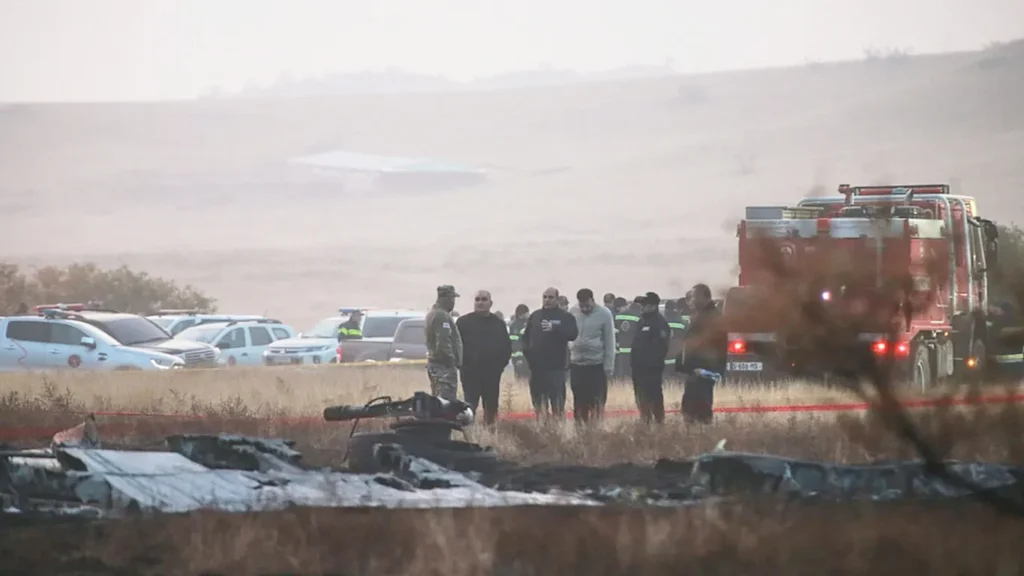
The loss of five senior military officers simultaneously represents a significant blow to Libya’s defense establishment and command structure. The deaths create leadership vacancies across multiple critical military domains—ground forces, military manufacturing, and strategic planning—requiring rapid succession decisions during an already unstable period.
Questions about the leased aircraft’s maintenance history and technical condition will likely intensify scrutiny of how Libyan government officials travel internationally. The reliance on leased aircraft from external companies, while common among governments with limited aviation resources, introduces variables around maintenance standards, pilot training and operational oversight that state-owned aircraft might better control.
The investigation’s findings will prove consequential for Turkish-Libyan relations. If technical failures in a Turkish-leased aircraft or air traffic control shortcomings contributed to the crash, it could complicate the bilateral military cooperation that the delegation’s visit was intended to strengthen. Conversely, if the aircraft’s maintenance issues originated with the Maltese leasing company or Libyan operational decisions, it would direct scrutiny elsewhere.
Turkey’s prompt investigation through the Ankara chief prosecutor’s office demonstrates sensitivity to the diplomatic implications. A thorough, transparent inquiry that identifies root causes will be essential for maintaining trust between the two governments and ensuring accountability for what appears to be a preventable tragedy.
As Libya observes three days of mourning, the crash highlights the persistent dangers facing government officials operating in conflict-affected regions with limited infrastructure and resources. The deaths of Al-Haddad and his colleagues represent not merely personal tragedies but institutional setbacks for a country struggling to build professional military and governmental structures capable of navigating Libya’s path toward stability and reunification.
Reuters/Aljazeera





