

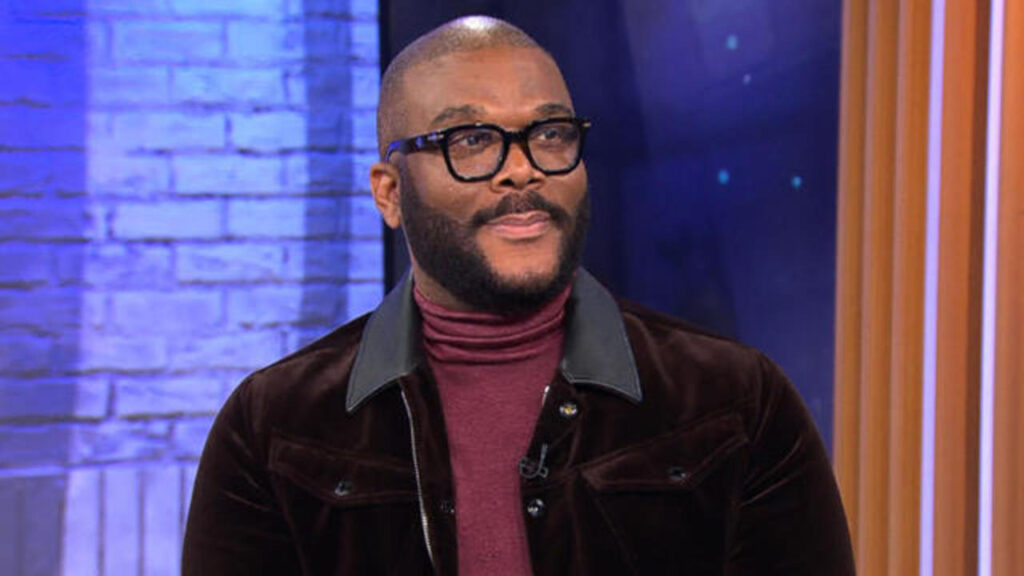
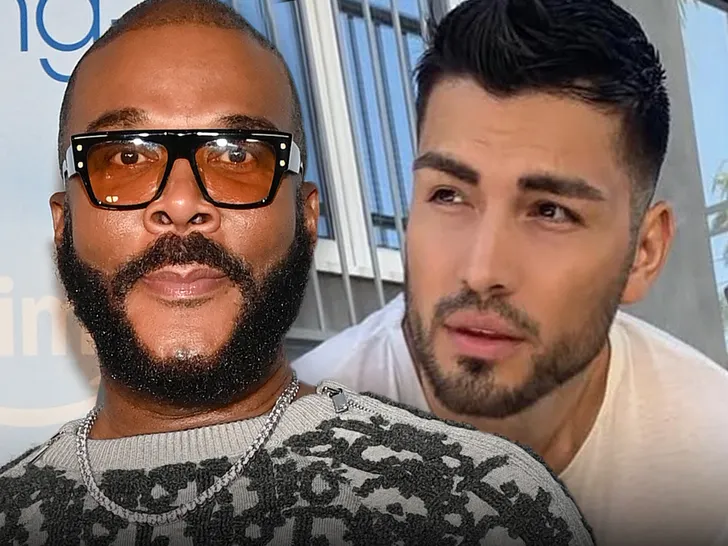
LOS ANGELES — Filmmaker Tyler Perry faces a second sexual assault lawsuit within six months, with actor Mario Rodriguez alleging a pattern of unwanted sexual advances and assault between 2015 and 2019 while Perry allegedly promised career opportunities, according to a complaint seeking $77 million in damages.
Rodriguez, a model who secured a minor role as “Frat Guy #10” in Perry’s 2016 film Boo! A Madea Halloween, filed the lawsuit through attorney Jonathan J. Delshad, who also represents Derek Dixon, another actor who made similar allegations against Perry earlier this year.
Alex Spiro, an attorney for Perry, stated December 26: “Having recently failed in another matter against Mr. Perry, the very same lawyer has now made yet another demand from more than a decade ago which will also be a failed money grab.”
Delshad disputed Spiro’s characterization, stating Dixon’s claims “are alive and well, and none of them have failed; they were just moved to a different court,” as the case relocates from California to Georgia.
According to the lawsuit obtained by PEOPLE, Rodriguez alleges that in 2015 a trainer approached him at a Los Angeles gym stating Perry wished to meet him. Perry subsequently contacted Rodriguez by phone and offered him a small role in the Madea Halloween film, the complaint states.
The complaint alleges Perry repeatedly invited Rodriguez to his home ostensibly to discuss future work opportunities, but instead made sexual advances while drinking. In November 2018, Perry allegedly “grabbed [Rodriguez’s] penis” and Rodriguez “repeatedly told Mr. Perry to stop” and had to “physically struggle to get away,” according to the lawsuit.
Perry allegedly told Rodriguez to “let it happen” and “If you were to just be with me, I would take care of you…,” the complaint states. Following two incidents, Perry allegedly apologized, provided Rodriguez $5,000 “and sent him away,” the lawsuit claims.
At a final alleged encounter in April 2019, “More than ever before, it was clear that Mr. Perry would do whatever he wanted, whenever he wanted, to whomever he wanted no matter how many times he was rejected,” the lawsuit alleges.
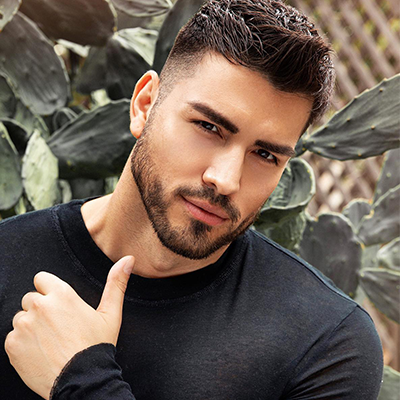
The complaint claims Perry “randomly reach out to” Rodriguez through 2024, and “when Perry became aware that Rodriguez was going to file this action, Perry once again reached out to Rodriguez by text,” stating he “did so much to help Rodriguez” and he “was feeling betrayed.”
In a December 13 Instagram video, Rodriguez addressed feeling “scared and ashamed,” explaining why he hadn’t previously disclosed the allegations publicly, though he did not identify Perry by name in the post, referring only to a “powerful” director “that everybody knows.”
“I stayed quiet for much too long. And I just want to say I’m really sorry, man. Because if I would’ve spoken up sooner I could’ve saved somebody that this probably happened to after me,” Rodriguez stated in the clip viewed by his nearly 1 million followers. “I just wanna say sorry for that, whoever that may be. It could’ve stopped with me if I would’ve said something. … But I’m speaking up now.”
Dixon, who starred on Perry’s television series The Oval, filed a $260 million lawsuit against Perry in June, alleging sexual harassment, assault and retaliation, which the filmmaker denies.
In September, Perry attorney Matthew Boyd characterized Dixon as “an individual who got close to Tyler Perry for what now appears to be nothing more than setting up a scam.” Boyd added: “Tyler will not be shaken down and we are confident these fabricated claims of harassment will fail.”
The emergence of a second lawsuit represented by the same attorney raises questions about whether additional accusers may come forward and whether patterns alleged across separate complaints will influence judicial proceedings. Perry, 56, has built a entertainment empire encompassing film, television production and studio operations, making him one of the industry’s most powerful figures.
The lawsuits arrive amid continuing industry reckoning with sexual misconduct allegations that began with the 2017 #MeToo movement. High-profile entertainment figures have faced allegations, criminal charges and civil litigation, with varying outcomes ranging from acquittals to substantial settlements and imprisonment.
Rodriguez’s decision to publicly discuss the allegations before filing suit represents a increasingly common approach where accusers use social media to control their narratives, build public support and potentially encourage other victims to come forward before formal legal proceedings commence.
The substantial damages sought—$77 million by Rodriguez and $260 million by Dixon—reflect both compensatory claims for alleged harm and potentially punitive damages designed to penalize defendants and deter similar conduct. Such amounts also generate publicity that can pressure defendants toward settlement negotiations rather than prolonged litigation.
Perry’s legal team’s characterization of both lawsuits as “money grabs” suggests a defense strategy emphasizing financial motivation rather than legitimate grievances. This approach attempts to frame plaintiffs as opportunists exploiting celebrity wealth rather than victims seeking accountability, though such tactics can backfire if evidence supports accusers’ claims.
The involvement of the same attorney representing both accusers cuts both ways strategically. For plaintiffs, it suggests an attorney with specific knowledge of Perry’s alleged patterns and operations. For defense, it potentially supports arguments about coordinated financial demands rather than independent complaints arising from genuine misconduct.
The relocation of Dixon’s case from California to Georgia—where Perry’s studios are based—may reflect jurisdictional considerations, venue preferences or strategic litigation decisions by either party. Georgia courts will apply different procedural rules and potentially different substantive law than California, potentially affecting case outcomes.
Perry has not personally addressed the allegations publicly beyond statements from his attorneys. His silence represents a common legal strategy where defendants avoid creating statements that could be used against them in litigation, though it leaves accusers’ narratives largely uncontested in public discourse.
The entertainment industry will watch these cases closely given Perry’s prominence and the potential implications for how studios and production companies address power dynamics between established figures and aspiring talent seeking career advancement. The allegations describe a pattern where career promises allegedly create conditions for exploitation—a dynamic that has drawn increased scrutiny across creative industries.
As litigation proceeds, questions will focus on evidence supporting or refuting the allegations, whether settlement negotiations occur, and whether Perry’s companies implement policy changes regardless of legal outcomes. For Rodriguez and Dixon, the cases represent efforts to obtain both financial compensation and public acknowledgment of alleged misconduct by one of entertainment’s most successful figures.
People.com





