

A series of construction site accidents in Nairobi has exposed critical safety compliance failures, claiming one life and injuring multiple workers in separate incidents that have raised urgent questions about enforcement of building regulations and workplace safety standards across Kenya’s rapidly expanding urban landscape.
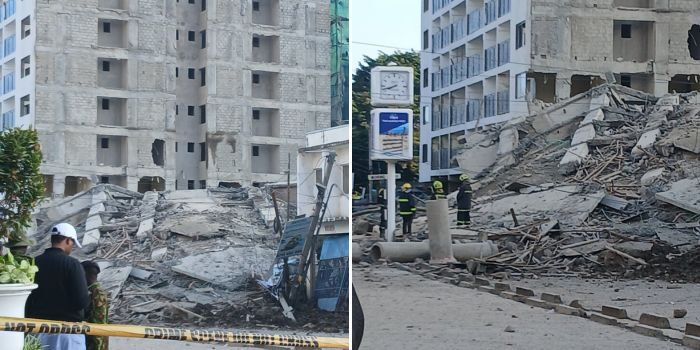
On July 31 last year, a wall collapsed at a construction site located on 147 Rhapta Road, injuring several workers in an incident that investigators attributed to multiple safety violations. The site, allegedly managed by a Chinese construction firm, lacked basic safety compliance measures that Kenyan regulations require for active construction zones, according to reports from the scene.
Unconfirmed sources revealed that the Rhapta Road construction site operated without a visible signboard identifying the project, contractors, or responsible parties—a fundamental requirement under Kenyan building codes designed to establish accountability and enable public reporting of safety concerns. The absence of clearly posted safety compliance information suggested broader failures in regulatory oversight that may have contributed to conditions enabling the wall collapse.
The specific nature and severity of injuries sustained by workers in the Rhapta Road incident were not disclosed in official reports, though multiple workers required medical attention following the structural failure. The lack of detailed injury reporting reflects broader patterns in Kenya’s construction sector where workplace accidents often go underreported or receive minimal official documentation, particularly when involving foreign contractors whose operations may face less scrutiny than domestic firms.
The alleged involvement of a Chinese construction firm in the Rhapta Road incident highlights the complex dynamics surrounding foreign investment in Kenya’s building sector. Chinese companies have become major players in Kenyan infrastructure development through projects funded under China’s Belt and Road Initiative and bilateral development agreements. However, these partnerships have generated persistent concerns about whether foreign contractors adequately comply with Kenyan safety standards or receive preferential treatment from regulatory authorities reluctant to jeopardize diplomatic and economic relationships.
Earlier in February, a more devastating incident claimed a worker’s life when a three-story building under construction collapsed on Third Avenue in Parklands, a middle-class Nairobi neighborhood experiencing rapid residential and commercial development. The building failure occurred at approximately 5:20 p.m. on February 11, after construction activities had concluded for the day and most workers had departed the site.
The deceased worker had remained at the site to monitor closed-circuit television security systems, a common practice at construction zones where valuable equipment and materials require overnight protection against theft. Witnesses indicated that the worker was found trapped in the rubble when a friend returned to check on him, discovering that he had already succumbed to his injuries by the time rescue efforts could begin.
The timing of the Parklands collapse—occurring after working hours when the site was largely vacant—prevented what could have been a mass casualty event had the structural failure happened during active construction when dozens of workers would have been present. The lone fatality, while tragic, represented a fortunate limitation of casualties that could easily have numbered in the double digits had the collapse occurred just hours earlier.
The circumstances surrounding the victim’s death raise troubling questions about whether adequate structural assessments occurred before workers were permitted to occupy the building, even for security monitoring purposes. Construction sites typically require engineering evaluations confirming that partially completed structures can safely bear loads and withstand environmental stresses before allowing personnel to work inside or beneath them. The collapse suggests either that such assessments were not conducted, were inadequate, or that construction practices deviated from approved plans in ways that compromised structural integrity.
The practice of having workers remain on construction sites overnight for security purposes reflects economic pressures in Kenya’s informal labor markets where employment opportunities remain scarce and workers accept dangerous conditions to secure income. The deceased worker’s willingness to stay alone monitoring security systems at a partially completed building demonstrates the desperation that drives many Kenyans to accept risks that workers in developed economies with stronger labor protections would refuse.
Both incidents occurred against a backdrop of Kenya’s construction boom, particularly in Nairobi where population growth and economic expansion have fueled massive building activity across residential, commercial, and infrastructure sectors. The rapid pace of development has strained regulatory capacity, with the National Construction Authority and county building inspectors struggling to adequately monitor compliance across thousands of active sites operating simultaneously throughout the metropolitan area.
Building collapses have become disturbingly common in Kenyan urban centers, with high-profile disasters periodically killing residents and workers when substandard construction techniques, poor materials, inadequate engineering, or corruption in the approval process result in structural failures. The frequency of such incidents has eroded public confidence in regulatory systems supposedly designed to prevent tragedies through mandatory inspections, permits, and compliance certifications.
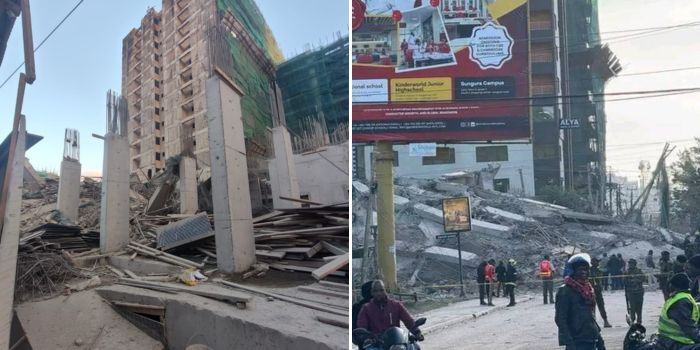
Corruption in Kenya’s construction sector represents a fundamental obstacle to improving safety outcomes. Developers and contractors frequently bribe building inspectors to overlook violations, approve substandard plans, or certify incomplete work as compliant. This systematic corruption creates perverse incentives where investing in proper safety measures becomes economically disadvantageous compared to cutting corners and purchasing regulatory approval, with workers and eventual building occupants bearing the consequences through injuries, deaths, and property losses.
The alleged Chinese firm’s management of the Rhapta Road site without proper signage suggests either ignorance of Kenyan regulatory requirements or deliberate disregard for compliance obligations. Foreign construction companies operating in Kenya should be subject to the same regulatory scrutiny as domestic firms, yet evidence suggests that enforcement remains inconsistent, particularly for projects connected to government infrastructure initiatives or diplomatic relationships that officials prioritize over worker safety.
The absence of visible safety compliance measures at the Rhapta Road site beyond missing signboards indicates more comprehensive failures. Kenyan construction regulations require sites to maintain protective barriers, post warning signs, provide workers with personal protective equipment, implement fall protection systems, and establish emergency response protocols. The wall collapse suggests multiple simultaneous violations that regulatory inspectors should have identified and corrected before catastrophic failure occurred.
Investigation outcomes for both incidents remain unclear, with no public reporting on whether authorities filed charges against responsible contractors, imposed fines, suspended operating licenses, or implemented corrective measures to prevent similar accidents. The lack of transparent accountability reinforces perceptions that construction safety violations carry minimal consequences, encouraging continued disregard for regulations that protect workers and public safety.
Labor unions representing construction workers have repeatedly called for stronger enforcement of safety regulations and meaningful penalties for violations resulting in injuries or deaths. However, Kenya’s construction sector remains largely informal with many workers employed through casual daily arrangements that provide no benefits, insurance, or legal protections. This informality makes it difficult to organize workers, document violations, or pursue legal remedies when accidents occur.
The families of workers killed or injured in construction accidents often receive minimal compensation, if any, particularly when employment was informal and no written contracts exist. Kenya’s Workers’ Compensation Act theoretically provides benefits for workplace injuries and deaths, but enforcement remains weak and many contractors simply disappear or claim insolvency when faced with compensation demands, leaving victims’ families with no practical recourse.
The incidents highlight the human costs of Kenya’s development trajectory, where rapid urbanization and infrastructure expansion proceed without adequate investment in regulatory capacity, enforcement mechanisms, or worker protection systems. Each preventable death and injury represents not just an individual tragedy but a systemic failure where economic priorities consistently override human welfare considerations.
International construction firms operating in Kenya bear particular responsibility to maintain safety standards meeting or exceeding both Kenyan requirements and international best practices. Companies from China, India, and other nations actively investing in African infrastructure should not exploit weaker enforcement environments to cut costs through safety compromises that would be unacceptable in their home countries. The ethical obligation to protect workers’ lives and wellbeing transcends national borders and regulatory gaps.
Moving forward, preventing similar tragedies requires multifaceted reforms including increased inspection capacity, meaningful penalties for violations, transparency in enforcement actions, protection for whistleblowers who report unsafe conditions, mandatory insurance coverage for construction workers, and cultural shifts that prioritize safety over speed and cost minimization. Without such comprehensive changes, construction site accidents will continue claiming lives in incidents that engineering knowledge and regulatory frameworks already exist to prevent.
Kenyans.co.ke





