

At least 50 migrants are feared drowned after a boat capsized in the Mediterranean Sea off the coast of Tunisia, with only one survivor rescued after spending a full day adrift in the water, officials and aid groups said Sunday.
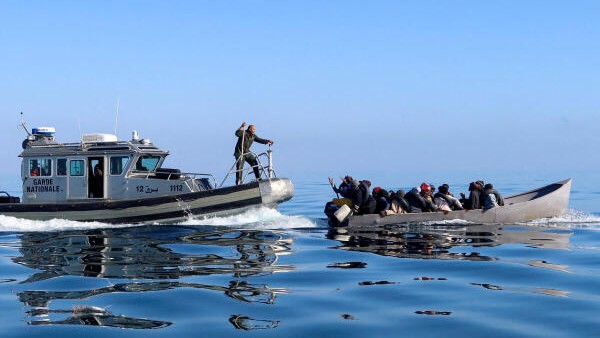
The survivor, whose identity was not released, was found by a merchant vessel after approximately 24 hours at sea and later transferred to Malta for medical treatment, Malta’s armed forces confirmed. The man told rescuers he believed all other passengers aboard the vessel had perished, according to Alarm Phone, a migrant emergency hotline group cited by Reuters.
Alarm Phone said the boat had departed from Tunisia, a major launch point for migrants attempting the perilous crossing to Europe. The group and Maltese authorities did not specify the exact time of the rescue.
The incident underscores the continued dangers faced by migrants traveling along the central Mediterranean route, widely considered the deadliest migration corridor in the world. Boats leaving North Africa are often overcrowded, poorly equipped and launched under cover of darkness to avoid detection, increasing the risk of fatal accidents.
Although details surrounding the sinking remain limited, the tragedy echoes similar disasters in the region in recent years. In a 2021 incident reported by The Guardian, more than 50 migrants were feared drowned after a boat traveling from Libya to Europe sank off southern Tunisia. In that case, Tunisian authorities rescued 33 survivors—most of them from Bangladesh—who were clinging to an offshore oil platform after their vessel, carrying more than 90 people, went down.
International agencies say such incidents are part of a persistent pattern. The United Nations has reported that thousands of migrants have died in the Mediterranean in recent years, with the majority of deaths occurring along the central route between North Africa and Europe. Libya and Tunisia remain key departure points for migrants fleeing conflict, poverty and instability across Africa and parts of Asia.
The International Organization for Migration has repeatedly warned that efforts to curb migration without expanding safe and legal pathways are contributing to higher death tolls at sea. The agency has also raised concerns over the treatment of migrants intercepted and returned to Libya, where many face detention in harsh conditions.
European Union-backed efforts to stem irregular migration have drawn criticism from human rights groups, who argue that increased interceptions have not reduced crossings but instead forced migrants into more dangerous journeys.
As search operations continue, aid organizations say the latest sinking off Tunisia highlights the urgent need for expanded search-and-rescue efforts and coordinated international action to prevent further loss of life in the Mediterranean.
Reuters/Guardian





