

NEW YORK — Hip-hop artist Kanye West has taken the extraordinary step of purchasing a full-page advertisement in The Wall Street Journal to apologize for antisemitic statements while revealing he suffered an undiagnosed traumatic brain injury more than two decades ago that he claims triggered bipolar disorder and contributed to his controversial behavior.
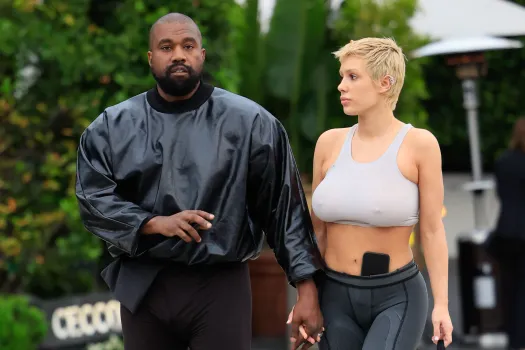
The January 26 print edition advertisement, funded by West’s Yeezy company and headlined “To Those I Hurt,” represents the 48-year-old musician’s most comprehensive public accounting for inflammatory remarks that cost him lucrative business partnerships and sparked widespread condemnation. The statement attributes his conduct to mental illness stemming from a 2002 automobile accident that West contends caused neurological damage that went undetected for twenty-one years.
West alleges he sustained injury to the right frontal lobe of his brain during the collision, which occurred following a late-night recording session in Los Angeles, music publication Spin previously documented. While medical personnel at the time focused on visible trauma including a fractured jaw and facial swelling, West maintains that deeper neurological damage escaped notice. He claims comprehensive scans were not performed, neurological examinations remained limited, and the possibility of frontal-lobe injury was never raised by treating physicians.
The rapper asserts this “medical oversight” went unrecognized until 2023, when proper diagnosis finally occurred. West characterizes the intervening years as marked by escalating mental health deterioration that culminated in a bipolar type-1 diagnosis, a condition he contends directly contributed to behavior he now describes as detached from his authentic self.
“Bipolar disorder comes with its own defense system. Denial,” West wrote in the advertisement. “When you’re manic, you don’t think you’re sick. You think everyone else is overreacting. You feel like you’re seeing the world more clearly than ever, when in reality you’re losing your grip entirely.”
The statement provides disturbing insight into the severity of bipolar disorder, citing World Health Organization and Cambridge University data indicating that individuals with the condition face life expectancy reductions of ten to fifteen years on average, with mortality rates two to three times higher than the general population. West compares this prognosis to severe heart disease, type-1 diabetes, HIV and cancer, characterizing all as potentially lethal if left untreated.
West describes experiencing a four-month manic episode in early 2025 characterized by psychotic, paranoid and impulsive behavior that he claims destroyed his life and left him at times no longer wanting to exist. He credits his wife, Bianca Censori, with encouraging him to seek treatment after he hit what he terms “rock bottom” several months ago.
The advertisement directly addresses West’s use of Nazi imagery and antisemitic rhetoric, acknowledging he gravitated toward “the most destructive symbol I could find, the swastika” and even sold t-shirts bearing the Nazi emblem. He characterizes these actions as occurring during a fractured mental state marked by disconnected moments he claims not to fully recall, describing the experience as feeling like being outside his own body.
“I regret and am deeply mortified by my actions in that state, and am committed to accountability, treatment, and meaningful change,” West wrote. “It does not excuse what I did, though. I am not a Nazi or antisemite. I love Jewish people.”
The apology extends beyond the Jewish community to Black Americans, whom West describes as the “unquestionable foundation” of his identity. “The black community is, unquestionably, the foundation of who I am. I am so sorry to have let you down. I love us,” he wrote.
The Anti-Defamation League, an organization dedicated to combating antisemitism in the United States, responded to West’s statement with measured acknowledgment while emphasizing that genuine accountability requires sustained behavioral change. A spokesman told the Daily Mail that West’s apology arrives long overdue and cannot automatically erase his extensive history of antisemitic conduct, including the antisemitic “Heil Hitler” song he created, hundreds of inflammatory tweets, swastika imagery and numerous Holocaust references that caused profound hurt and betrayal.
“The truest apology would be for him to not engage in antisemitic behavior in the future. We wish him well on the road to recovery,” the ADL spokesman stated.
West’s antisemitic remarks began surfacing publicly in late 2022, when he posted on social media that he planned to go “death con 3 On JEWISH PEOPLE.” He subsequently embraced conspiracy theories alleging Jewish control of media, the music industry and financial systems, declaring at one point that “Jewish media blocked me out. This is not hate speech, this is the truth.” He also expressed praise for Adolf Hitler and Nazis more broadly.
The fallout proved swift and financially devastating. Major corporate partners including Adidas, Balenciaga and talent agency CAA terminated business relationships with West in 2022, severing revenue streams worth hundreds of millions of dollars. Most recently, the artist released a song entitled “Heil Hitler,” demonstrating that inflammatory rhetoric continued even as business consequences mounted.
West’s current attribution of his behavior to bipolar disorder represents a significant shift in his evolving public narrative about his mental health. For years he acknowledged struggling with bipolar disorder until asserting last winter that he had been misdiagnosed and actually has autism instead. The Wall Street Journal advertisement returns to the bipolar diagnosis while adding the traumatic brain injury element as a previously undisclosed contributing factor.
The connection between traumatic brain injuries and subsequent mental illness has substantial scientific support. A 2013 study by Danish researchers found that individuals who suffered traumatic brain injuries—including concussions—were four times more likely to develop mental illness compared to those without such injuries, Psychology Today documented. Specifically, the study determined that TBI survivors were 28 percent more likely to develop bipolar disorder, suggesting a plausible physiological mechanism linking West’s 2002 accident to his later psychiatric diagnosis.
West publicly confirmed his bipolar diagnosis through his 2018 album “Ye,” where he rapped in the song “Yikes” that “That’s my bipolar shit, nia, what? That’s my superpower, nia. Ain’t no disability. I’m a superhero! I’m a superhero!” This characterization of the condition as empowering rather than debilitating stands in stark contrast to his current framing of bipolar disorder as a serious, potentially fatal disease requiring sustained treatment.
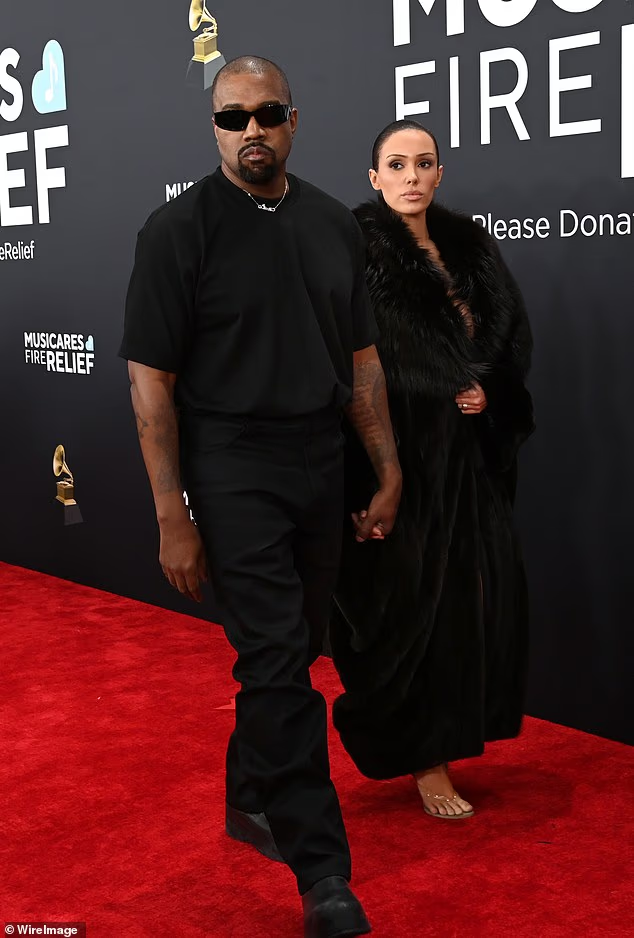
The rapper has not historically shied away from discussing his mental health publicly. In his 2025 documentary “In Whose Name?” West commented that “You know the best thing about being an artist and bipolar? Anything you do and say is an art piece.” This casual treatment of a serious psychiatric condition illustrates the denial mechanism West now describes as intrinsic to manic episodes.
West’s mental health struggles significantly impacted his marriage to reality television personality Kim Kardashian, with whom he shares four children: daughters North, 12, and Chicago, seven, and sons Saint, nine, and Psalm, six. Kardashian publicly addressed West’s bipolar diagnosis in a 2020 statement following one of his social media outbursts, writing that “Anyone who has this or has a loved one in their life who does, knows how incredibly complicated and painful it is to understand.”
During an October 2025 appearance on the “Call Her Daddy” podcast, Kardashian disclosed that West had not contacted their children for “a couple months,” though TMZ later documented a family reunion over Christmas. The extended periods of absence suggest the extent to which West’s mental health episodes have disrupted family relationships and parental responsibilities.
The Wall Street Journal advertisement reveals that West found unexpected comfort through Reddit forums during his recent crisis, where he encountered others describing manic and depressive episodes similar to his own experiences. He describes reading their stories and realizing isolation was an illusion, finding validation that extended beyond what he characterizes as inadequate medical guidance from “so-called best doctors in the world” who he claims told him he was not bipolar but merely experiencing “symptoms of autism.”
This assertion raises troubling questions about the quality of psychiatric care available even to individuals with substantial financial resources. If West’s account is accurate, multiple highly credentialed physicians either misdiagnosed his condition or minimized its severity, potentially contributing to years of inadequate treatment. The revelation underscores how even wealth and access to elite medical professionals cannot guarantee accurate diagnosis or effective intervention for complex psychiatric conditions.
West indicates he has now established what he terms “my new baseline and new center through an effective regime of medication, therapy, exercise and clean living,” resulting in clarity he describes as newfound and much-needed. He pledges to channel energy toward positive endeavors including music, clothing, design and other initiatives intended to benefit society.
The statement concludes with West explicitly stating he seeks neither sympathy nor absolution, though he aspires to earn forgiveness. “I write today simply to ask for your patience and understanding as I find my way home,” he wrote, signing off with notation that the advertisement was “Paid for by Yeezy” along with contact information for the company’s chief financial officer.
The public nature of West’s apology—choosing a full-page newspaper advertisement rather than social media or press conference—carries symbolic significance. The Wall Street Journal reaches business leaders, policymakers and cultural influencers who constitute the demographic most relevant to West’s commercial rehabilitation efforts. The format also prevents the immediate feedback loop and potential volatility of social media platforms, allowing West to control messaging without risk of impulsive responses to criticism.
Whether this apology translates into sustained behavioral change remains to be determined. West’s history includes previous expressions of regret for controversial statements followed by renewed provocations, establishing a pattern that undermines confidence in lasting transformation. The test of sincerity will come through consistent conduct over extended periods rather than any single statement, regardless of how comprehensive or seemingly heartfelt.
The advertisement also raises broader questions about the intersection of mental illness, personal accountability and public forgiveness. While psychiatric conditions undeniably influence behavior and judgment, the extent to which they absolve individuals of responsibility for harmful actions remains philosophically and ethically contested. West’s acknowledgment that his diagnosis “does not excuse what I did” suggests recognition of this tension, though the practical implications for how society should respond to his conduct remain ambiguous.
The 2002 car accident that allegedly triggered West’s neurological damage occurred at a pivotal moment in his career trajectory. Hospitalized with his jaw wired shut, West reportedly wrote the song “Through the Wire” during recovery, creating the artistic breakthrough that transformed him from producer to performer. The injury that West now claims unleashed decades of mental health struggles simultaneously catalyzed his emergence as one of hip-hop’s most influential artists, illustrating the complex relationship between trauma, creativity and psychiatric illness.
As West attempts to rebuild professional relationships and public credibility, the antisemitic statements he apologizes for continue reverberating through communities directly targeted by his rhetoric. Jewish organizations and individuals who experienced his hateful language as threats to their safety and dignity now face the difficult question of whether to accept his contrition and support his recovery or maintain consequences for conduct they view as unforgivable regardless of underlying mental health factors.
Dailymail





