

Russia has implemented an unprecedented multi-faceted recruitment strategy to sustain its military operations in Ukraine, offering substantial financial incentives to domestic volunteers, releasing convicts from penal institutions, and aggressively recruiting foreign nationals through schemes that range from legitimate contracts to alleged deception and fraud.
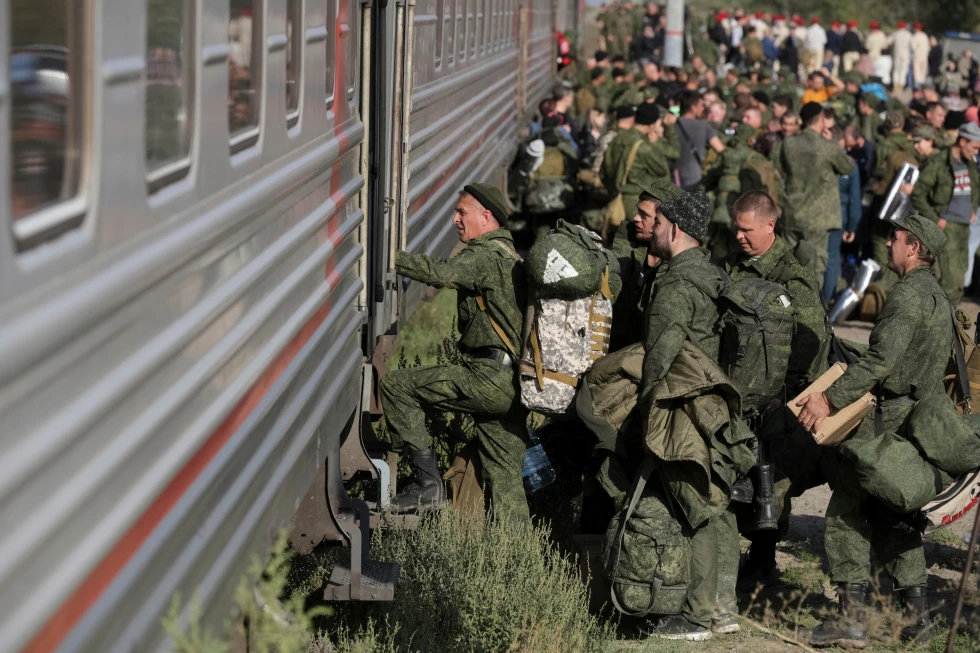
As the conflict approaches its fourth year, the Kremlin faces mounting pressure to replenish depleted forces without triggering politically dangerous nationwide conscription that could galvanize domestic opposition. The resulting recruitment apparatus represents one of the most comprehensive military manpower mobilization efforts undertaken by a major power in recent decades, drawing combatants from across Russia’s socioeconomic spectrum and extending recruitment networks across multiple continents.
For ordinary Russian wage earners, military service contracts offer financial compensation that dramatically exceeds typical civilian income. The monetary incentives include substantial signing bonuses, elevated monthly salaries and additional regional supplements that collectively can amount to several years’ worth of average Russian earnings. This economic calculus has proven particularly attractive in Russia’s less prosperous regions, where employment opportunities remain limited and wages stagnate far below Moscow and St. Petersburg standards.
The financial component of Russia’s recruitment drive reflects the country’s economic constraints and strategic calculations. By offering compensation packages that rival or exceed civilian alternatives, military planners aim to attract sufficient volunteers to avoid compulsory mobilization that sparked widespread protests and prompted hundreds of thousands of military-age men to flee the country when partial mobilization was announced in September 2022. The current approach allows the Kremlin to maintain the fiction of a “special military operation” rather than acknowledging full-scale war requiring total societal mobilization.
Russia’s prison population has emerged as another critical manpower source. Inmates facing harsh conditions and systemic abuse within the country’s penal system receive opportunities for conditional release in exchange for combat service. This prisoner recruitment program, which gained prominence when the Wagner Group mercenary organization initially pioneered the approach, offers convicts a path to freedom that circumvents traditional parole processes and judicial review.
The use of prisoners as frontline combatants raises profound ethical and legal questions about coercion, consent and the appropriateness of placing individuals with criminal backgrounds in positions where they exercise lethal force against enemy combatants and potentially interact with civilian populations. Human rights organizations have documented cases where prisoners were provided minimal training before deployment to the most dangerous sectors of the front lines, effectively functioning as expendable assault troops in high-casualty operations.
For foreign nationals, particularly immigrants and migrant workers already residing in Russia, military service contracts offer a dramatically simplified pathway to Russian citizenship. Standard naturalization processes typically require years of legal residence, language proficiency demonstrations, and extensive documentation. By contrast, foreigners who sign military contracts can obtain citizenship with significantly reduced bureaucratic obstacles, creating powerful incentives for individuals from former Soviet republics and developing nations who seek the economic and legal benefits of Russian nationality.
The international dimension of Russia’s recruitment efforts has generated diplomatic friction and revealed troubling patterns of exploitation. Following the June 2024 signing of a mutual defense treaty between Moscow and Pyongyang, North Korea deployed thousands of soldiers to Russian territory, marking one of the most significant international troop commitments to the Ukraine conflict. These North Korean forces were specifically assigned to help Russian military units defend the Kursk region after Ukrainian forces launched a surprise cross-border incursion in August 2024, seizing portions of Russian territory in a dramatic escalation that caught Moscow’s military leadership off guard.
The North Korean deployment represents a significant strategic development with implications extending beyond immediate battlefield dynamics. The presence of foreign troops defending Russian sovereign territory underscores the manpower challenges facing Moscow’s military planners and suggests that domestic recruitment efforts, despite their breadth and financial generosity, have proven insufficient to meet operational requirements. Additionally, the arrangement provides North Korea with opportunities to gain modern combat experience, test weapons systems under battlefield conditions, and strengthen its geopolitical alignment with Russia against Western interests.
The recruitment of foreign fighters from South Asian nations has followed a markedly different and more troubling pattern characterized by allegations of fraud and deception. Men from India, Nepal and Bangladesh have come forward with complaints that recruiters misrepresented the nature of their employment, promising civilian jobs in construction, security services or other non-combat roles while actually directing them toward military contracts that obligate combat service in Ukraine.
These cases highlight a darker aspect of Russia’s manpower strategy, where desperation to find recruits intersects with criminal exploitation of vulnerable populations. Young men from economically disadvantaged backgrounds in South Asian countries, seeking better opportunities abroad, fall victim to sophisticated recruitment schemes that exploit their limited understanding of Russian legal frameworks and military obligations. Once in Russia, language barriers, confiscation of travel documents, and threats of legal consequences if they refuse to fulfill contracts effectively trap these individuals in circumstances they never intended to accept.
The pattern extends beyond South Asia. Officials in Kenya, South Africa and Iraq have confirmed that citizens from their respective countries experienced similar deception, lured to Russia under false pretenses only to find themselves pressed into military service. These revelations have prompted diplomatic protests and demands for repatriation, straining Russia’s relationships with nations whose citizens have been affected.
The Kenya government specifically issued warnings to its citizens about fraudulent recruitment schemes after multiple Kenyans reported being trapped in situations where they were forced to serve in the Russian military. South African authorities similarly raised concerns after discovering that nationals had been recruited through questionable channels, with some families learning of their relatives’ situations only after casualties occurred or when desperate communications reached home.
The Iraqi government faced particularly sensitive circumstances given the complex political dynamics within the country and the presence of various armed groups with varying degrees of autonomy. Iraqi officials acknowledged that recruitment had occurred but struggled to provide comprehensive accounting of how many citizens had traveled to Russia or under what specific circumstances.
The diversity of recruitment sources and methods reveals the comprehensive nature of Russia’s approach to the manpower challenge. By simultaneously targeting domestic working-class citizens with financial incentives, releasing prisoners in exchange for military service, offering simplified citizenship to immigrants, securing formal troop commitments from allied nations like North Korea, and tolerating or potentially facilitating questionable recruitment operations targeting vulnerable foreign nationals, Moscow has constructed a recruitment apparatus designed to sustain prolonged high-casualty operations without triggering the domestic political backlash that comprehensive mobilization would generate.
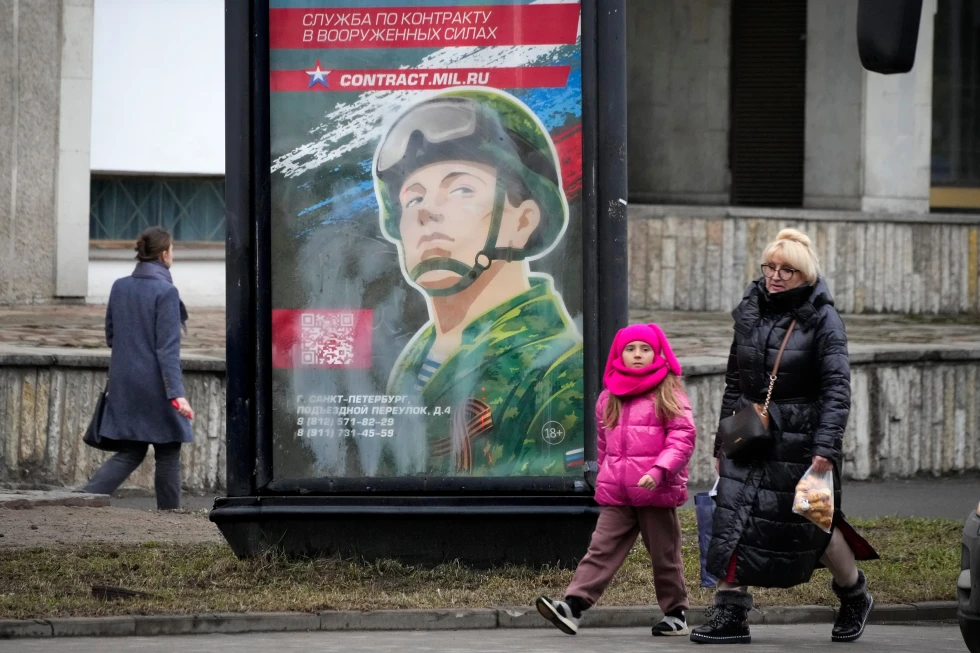
This strategy carries significant implications for the trajectory of the Ukraine conflict. The ability to continuously feed reinforcements into the theater of operations, regardless of casualty rates, enables Russian military commanders to pursue attritional strategies that might otherwise be unsustainable. The willingness to accept high losses among certain categories of troops—particularly prisoners and foreign nationals with limited political constituencies within Russia—provides flexibility in tactical decision-making that would be constrained if public opinion responded more directly to casualty figures.
The economic sustainability of the financial incentive component remains uncertain. The substantial signing bonuses and elevated salaries represent significant fiscal commitments that accumulate as more individuals sign contracts. While Russia’s defense budget has expanded dramatically and energy revenues provide funding sources, the long-term viability of maintaining recruitment levels through purely monetary incentives may face constraints, particularly if the conflict extends multiple additional years and casualty replacement needs continue at current levels.
The human cost of these recruitment strategies extends far beyond battlefield casualties. Families in rural Russian regions send breadwinners to war zones motivated by economic desperation rather than patriotic fervor. Prisoners who survive their service face uncertain prospects for social reintegration, carrying both combat trauma and criminal backgrounds that limit employment opportunities. Foreign nationals who discover they’ve been deceived face language barriers, legal complexities and potential danger if they attempt to refuse service or escape their obligations.
International legal frameworks governing the use of foreign fighters, mercenaries and the treatment of prisoners in armed conflicts face stress tests as Russia’s recruitment practices push boundaries of established norms. The distinction between legitimate foreign volunteers, military alliance commitments like the North Korean deployment, and exploitative recruitment of deceived civilians creates classification challenges with legal and ethical ramifications.
The Ukrainian government and its Western supporters have seized upon these recruitment patterns as evidence of Russia’s deteriorating military position and the unsustainability of its operational approach. They argue that reliance on prisoners, coerced foreigners and ever-larger financial incentives demonstrates that Russian society lacks genuine support for the war and that Moscow cannot sustain current casualty rates through conventional mobilization methods without risking regime stability.
Russian officials counter that diversified recruitment reflects modern military professionalism and appropriate use of volunteer contract service rather than conscription. They emphasize that signing bonuses and elevated pay merely recognize the significance of military service and ensure adequate compensation for those who defend national interests. Regarding foreign recruitment, Moscow maintains that individuals signing contracts do so voluntarily and that any claims of deception reflect individual recruiting irregularities rather than systematic policy.
As the war grinds toward its fourth year with no clear resolution in sight, Russia’s multifaceted recruitment strategy represents both an adaptation to military realities and a gamble on the sustainability of grinding attritional warfare. The approach has succeeded in avoiding another mass mobilization that could threaten domestic stability, but it has done so by creating a complex web of financial obligations, diplomatic complications and ethical compromises that carry their own long-term costs and consequences. Whether this recruitment model can sustain Russian military operations indefinitely, or whether diminishing returns and mounting complications will eventually force strategic recalculations, remains among the most significant unanswered questions shaping the conflict’s trajectory.
The Associated Press original





