

More than 20 schoolchildren were hospitalized after falling ill from food poisoning linked to a reheated meal served at a government-run primary school in southern India, an incident that has intensified scrutiny of food safety practices in public education programs.
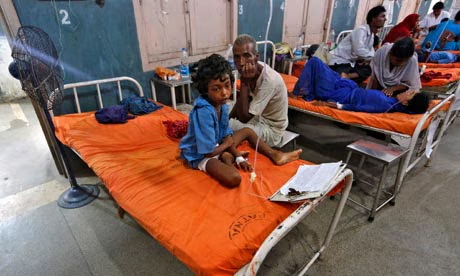
The illnesses occurred Thursday, Jan. 29, at a Mandal Parishad primary school in Telangana state, where students were served food that had been prepared the previous day and reheated before being distributed under a government-supported school lunch initiative. The episode was first brought to public attention by CNN-News 18 and Telangana Today.
Local officials said at least 42 students consumed the meal, while 22 later exhibited symptoms associated with foodborne illness. Several children became visibly unwell while eating, complaining of vomiting, diarrhea and abdominal pain, prompting school staff to arrange emergency medical care, CNN-News 18 and Telangana Today said.
The students were transported to a nearby hospital, where doctors evaluated and treated them. Medical personnel stabilized all of the affected children, and none were reported to be in critical condition, CNN-News 18 said.
Media accounts indicated the meal had originally been cooked for a school-related function held a day earlier and was later reheated and served to students. Health and education officials have launched an inquiry into how the food was stored, reheated and distributed, as well as whether safety guidelines were followed.
As the investigation unfolded, authorities removed a staff member involved in preparing the lunch from their post, The Independent reported. The school’s principal was also issued a show-cause notice by the District Educational Officer, a formal administrative step requiring the official to explain their actions before potential disciplinary measures are considered.
The Khammam District government did not respond to requests for comment from PEOPLE as of Sunday, Feb. 1.
The Jan. 29 incident marked the second reported case of food poisoning at a public school in the area within a span of days, according to Telangana Today, heightening concerns among parents and community members about systemic lapses in food handling and oversight.
Parents interviewed by local outlets urged authorities to strengthen food safety protocols governing meals served in government schools, particularly those participating in large-scale lunch programs designed to address child nutrition and school attendance.
While the immediate medical crisis appears to have been contained, the incident underscores persistent challenges facing school meal programs across parts of India, where large volumes of food are prepared daily under tight budgets and logistical constraints.
Government-run lunch initiatives have long been credited with improving student enrollment and nutrition outcomes, particularly among low-income families. However, experts say those gains can be undermined when food safety standards are inconsistently applied or inadequately monitored.
Public health specialists note that reheated food, if not stored and handled correctly, poses a heightened risk of bacterial growth, especially in warm climates. Improper refrigeration, delayed consumption, and insufficient reheating temperatures can all contribute to contamination, increasing the likelihood of gastrointestinal illness among children, who are especially vulnerable.
The recurrence of similar incidents within a short time frame has fueled debate over whether existing inspection regimes are sufficient. Education advocates argue that oversight often varies widely between districts, with some schools lacking trained kitchen staff or access to proper storage facilities.
Although officials have not yet released findings from the ongoing investigation, the disciplinary steps taken so far suggest authorities are treating the matter seriously. Observers say the issuance of a show-cause notice to a school principal is a notable move, signaling accountability beyond frontline kitchen staff.
Incidents involving school meals tend to resonate strongly with the public because they strike at the intersection of child welfare, education and government responsibility. Even isolated cases can erode trust in programs intended to safeguard students’ health and well-being.
Parents and advocacy groups have called for clearer guidelines on reheating leftovers, mandatory food safety training for school staff, and more frequent inspections by health officials. Some have also urged the introduction of real-time monitoring systems or third-party audits to ensure compliance.
While authorities have yet to outline specific reforms in response to the Telangana cases, similar incidents in other regions have previously led to temporary suspensions of meal programs, revised safety protocols, and expanded training for kitchen workers.
As investigators work to determine the precise cause of the children’s illnesses, the episode serves as a reminder of the delicate balance between scale and safety in public nutrition programs. Ensuring that millions of meals are delivered efficiently each day remains a logistical achievement, but one that carries inherent risks if safeguards falter.
For the families affected in Khammam District, reassurance will likely depend not only on the recovery of the children but also on visible steps to prevent a recurrence. Whether the latest case prompts lasting changes in oversight or remains another entry in a troubling pattern may shape public confidence in school meal programs well beyond this community.
For now, officials say all affected students have returned home in stable condition, while parents and educators await the outcome of the investigation and any measures that may follow.
People.com





