

Renowned American gospel singer, worship leader and pastor Ron Kenoly died Tuesday at age 81, prompting an international outpouring of tributes from Christian music communities and worship leaders who credit him with fundamentally reshaping contemporary praise and worship music across multiple continents.
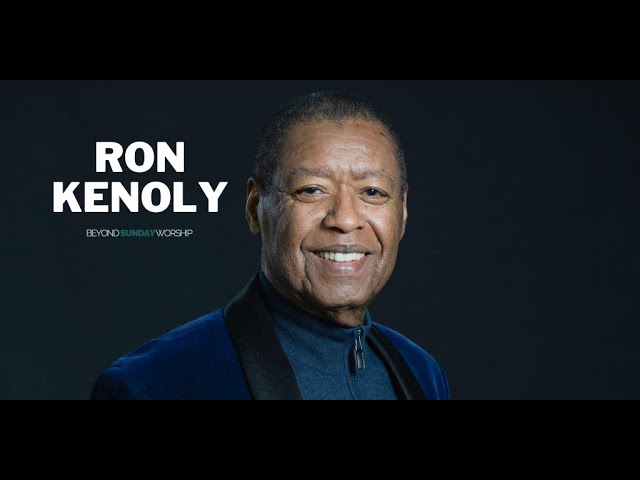
His death on February 3, 2026, was confirmed by longtime music director Bruno Miranda through an Instagram post that characterized Kenoly’s ministry as marked by unwavering faithfulness and a distinctive understanding of worship leadership transcending entertainment or artistry.
“This morning, February 3, 2026, we said goodbye to Dr. Ron Kenoly,” Miranda wrote. “For over 20 years, I had the honor of walking alongside him in ministry around the world—not just as his music director, but as a son, a student, and a witness to a life marked by faithfulness. Doc was very intentional about one thing: he was never an artist, never an entertainer. He was a worship leader. And he took all the time necessary to explain what that truly meant.”
This distinction—between performance-oriented artistry and worship leadership focused on facilitating congregational encounter with the divine—defined Kenoly’s approach throughout a career spanning more than three decades and influencing generations of Christian musicians worldwide.
Born December 6, 1944, in Coffeyville, Kansas, Kenoly rose to international prominence during the late 20th century as contemporary Christian music evolved from traditional hymn-based worship toward more dynamic, participatory expressions. He gained widespread acclaim with the 1992 release of “Lift Him Up With Ron Kenoly,” an album that helped redefine praise music through its energetic, congregation-engaging approach.
Songs including “Ancient of Days,” “Jesus Is Alive” and “We’re Going Up” became enduring worship classics sung in churches spanning denominational, cultural and geographic boundaries. These compositions transcended their original recordings to become foundational elements of modern worship repertoires, with congregations worldwide incorporating Kenoly’s melodies and lyrics into regular services.
Over his prolific career, Kenoly released more than 20 albums including “God Is Able,” “Sing Out With One Voice” and “Welcome Home.” His energetic, choir-backed performances and congregational worship style broke new ground by blending gospel traditions, contemporary praise expressions and Christian music in innovative combinations that influenced subsequent generations of worship leaders.
Kenoly’s ministry and music resonated far beyond American borders, reaching churches across Africa, Europe, Asia and the Americas where his recordings became integral components of worship services. His global impact reflected both the universal themes embedded in his compositions and his intentional engagement with international Christian communities through tours, conferences and mentorship relationships.
Beyond recording and performance, Kenoly served as respected pastor and worship leader, holding prominent positions including his tenure at Jubilee Christian Center in San Jose, California. His pastoral role grounded his musical ministry in theological foundations and practical church leadership, distinguishing his approach from purely commercial Christian entertainment.
Kenoly became a regular presence at international worship conferences, seminars and church events where he mentored worship teams and led large-scale praise gatherings. These educational and ministerial activities extended his influence beyond recorded music, enabling him to personally shape worship philosophies and practices for thousands of musicians and ministry leaders.
His teaching emphasized the spiritual dimensions of worship leadership, stressing that effective worship facilitation requires more than musical competence—it demands spiritual maturity, theological understanding and genuine devotion. This holistic approach to worship ministry became characteristic of Kenoly’s legacy, influencing how churches conceptualize and train worship leaders.
Following the announcement of his death, tributes poured in from gospel artists, pastors and admirers worldwide. Nigerian gospel minister Nathaniel Bassey numbered among notable worship leaders acknowledging Kenoly’s profound influence on multiple generations of psalmists. Bassey and others credited Kenoly with demonstrating possibilities for worship music that balanced artistic excellence with spiritual authenticity.
The international scope of tributes—spanning continents and denominations—testifies to Kenoly’s remarkable cross-cultural appeal and the universal resonance of his worship philosophy. Christians from Pentecostal, evangelical, mainline Protestant and independent church backgrounds found common ground in Kenoly’s music and ministry approach.
His influence on African worship music proved particularly significant, as Nigerian and broader African gospel artists incorporated elements of his style while developing indigenous worship expressions. The fusion of Kenoly’s congregational approach with African musical traditions contributed to the contemporary gospel explosion that has positioned African worship music as global phenomenon.
Kenoly married his wife Diana in 2014, finding companionship during his later years of ministry. He is survived by Diana, along with children and grandchildren whose names have not been publicly disclosed. The family has not released official statements regarding his death or memorial arrangements as of Tuesday evening.
The cause of death has not been officially disclosed by family members or representatives. This privacy reflects the family’s understandable desire for space to grieve privately before engaging public memorial processes.
Plans for memorial services and celebrations of Kenoly’s life are expected to be announced in coming days. Given his international influence and the global Christian community’s affection for his ministry, memorial events will likely occur in multiple locations to accommodate those wishing to honor his legacy.
The structure of memorial services may reflect Kenoly’s own worship philosophy—emphasizing participatory praise rather than performance, celebrating his contributions through the congregational singing he championed rather than merely eulogizing his accomplishments. Such an approach would authentically honor both his theological convictions and his ministerial style.
Ron Kenoly leaves behind a lasting legacy as pioneer of contemporary worship music and devoted servant of Christian faith, remembered for lifting countless voices in praise across the globe. His recordings will continue serving churches for generations, while his influence on worship leadership philosophy and practice extends through the thousands of musicians and ministers he mentored directly and indirectly.
The worship movement Kenoly helped catalyze during the 1990s fundamentally transformed how churches across denominational lines approach congregational singing. The shift toward more participatory, emotion-engaging worship experiences—as opposed to performance-oriented presentations—owes substantial debt to Kenoly’s modeling and advocacy.
His emphasis on worship as spiritual discipline rather than entertainment established frameworks that continue shaping contemporary Christian music. As the industry grapples with tensions between commercial viability and spiritual authenticity, Kenoly’s example offers a model for musicians seeking to maintain ministerial integrity while achieving broad influence.
The theological content of Kenoly’s songs—celebrating God’s sovereignty, Christ’s resurrection, and believers’ identity as worshipers—provided accessible yet substantive expressions of core Christian doctrines. This combination of theological depth and musical accessibility enabled his compositions to serve both educational and devotional functions within congregational worship.
For the millions who encountered God through Kenoly’s music—whether in stadium worship gatherings, local church services, or private devotional moments—his death marks the loss of a spiritual father whose ministry facilitated transformative encounters with divine presence. The testimonies pouring forth from global Christian communities reveal how profoundly his worship leadership shaped individual faith journeys and collective spiritual experiences.
As contemporary worship music continues evolving, Kenoly’s foundational contributions provide reference points for evaluating new directions and maintaining connection with the movement’s spiritual roots. His insistence that worship leadership differs fundamentally from entertainment performance offers corrective wisdom for an era when those boundaries sometimes blur.
The legacy Ron Kenoly bequeaths extends beyond his recorded catalog or his specific musical innovations. He leaves a vision of worship leadership grounded in spiritual devotion, theological substance and genuine concern for facilitating congregational encounter with God—a vision that will continue inspiring and challenging Christian musicians for generations to come.
TheSun/Vangaurdng





