

President Donald Trump has publicly rebuked U.S. Olympic halfpipe skier Hunter Hess, labeling the athlete a “real loser” after Hess expressed discomfort about representing the United States amid what he described as troubling developments at home, comments that have sparked a wider political backlash and renewed debate over athletes’ public speech.
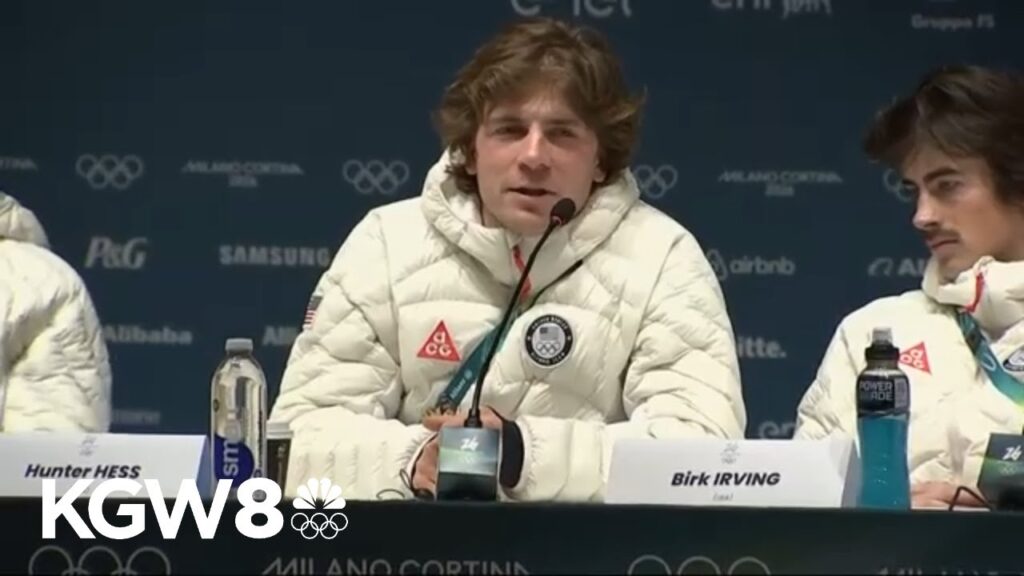
The exchange unfolded after Hess, 27, a Bend, Oregon, native and member of Team USA, was asked what it meant to compete for the United States at the upcoming Milan-Cortina Winter Olympics. In remarks to Reuters, Hess said representing the country was “a little hard,” citing broader dissatisfaction with current events in the United States.
“There’s obviously a lot going on that I’m not the biggest fan of, and I think a lot of people aren’t,” Hess said. He added that wearing the American flag did not mean he endorsed everything happening in the country, explaining that he instead viewed himself as representing the values he believes are positive about the United States.
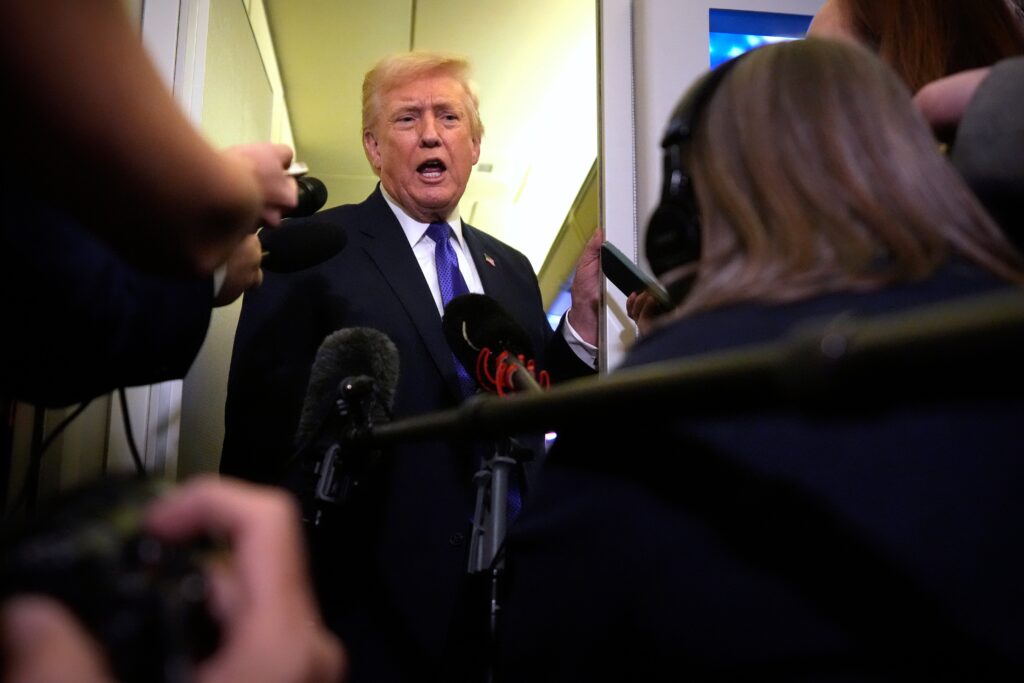
Trump responded sharply to those remarks in a post on his Truth Social platform on Sunday morning, casting the comments as unpatriotic and questioning Hess’s place on the national team.
“U.S. Olympic Skier, Hunter Hess, a real Loser, says he doesn’t represent his Country in the current Winter Olympics,” Trump wrote. “If that’s the case, he shouldn’t have tried out for the Team, and it’s too bad he’s on it. Very hard to root for someone like this. MAKE AMERICA GREAT AGAIN!”
The president’s post quickly amplified the controversy, drawing in conservative commentators, social media influencers and political activists who framed Hess’s remarks as disrespectful to the country he is set to represent on the international stage.
Right-wing activist Jack Posobiec shared a video of Hess on social media with the caption, “Easily solved. Get out,” echoing a growing sentiment among Trump supporters who argue that athletes critical of U.S. policies should not compete under the American flag.
Jake Paul, a Trump-aligned YouTuber-turned-boxer, weighed in with a profanity-laced message aimed at Hess, writing that athletes unwilling to represent the country enthusiastically should “go live somewhere else.” Paul attended the Olympic events over the weekend alongside Vice President JD Vance, underscoring the political visibility surrounding the games.
Another influencer, Vance Langman, went further, publicly stating that he was rooting against the U.S. men’s Olympic ski team as a protest against athletes who criticize the country while competing for it.
The backlash, however, has not been limited to Hess. Other American athletes have also spoken openly about social and political concerns, prompting similar reactions from political figures and commentators.
Fellow freestyle skier Alex Hall Lillis addressed the issue in separate comments to the media, acknowledging that many athletes are reluctant to discuss political views but saying he felt compelled to speak out.
“A lot of times, athletes are hesitant to talk about political views and how we feel about things,” Lillis said. “I feel heartbroken about what’s happening in the United States.”
Pressed to clarify his remarks, Lillis pointed to immigration enforcement and protests, saying the country should focus on respecting rights and treating people with dignity. Despite his concerns, he emphasized that there was no other nation he would rather represent in international competition than the United States.
Figure skater Amber Glenn has also addressed politics publicly, telling reporters that political decisions affect athletes and citizens alike. “Politics affects us all,” Glenn said. “It is something I will not just be quiet about.”
Her comments drew a sharp response from conservative media personality Megyn Kelly, who wrote on social media, “Another turncoat to root against,” reinforcing the divide over whether athletes should publicly express political views while competing for the nation.
The growing controversy highlights a recurring tension in American sports, where elite athletes often find themselves navigating the expectations of national representation alongside personal convictions. Critics argue that representing the United States at the Olympics carries an obligation to project unity and pride, while supporters of athlete expression contend that patriotism does not require silence on social or political issues.
Hess’s own journey to the Olympic stage has been marked by significant setbacks, adding another layer to the public debate. In an interview with KTVZ, Hess described a string of injuries and medical emergencies that derailed his previous Olympic qualification attempts.
“The last Olympic qualifying process was crazy,” Hess told the station. “Everything that could possibly go wrong went wrong.”
He said he tore his medial collateral ligament, underwent months of rehabilitation and was on track to return to training, only to suffer a sudden medical emergency days before resuming workouts.
“I woke up in the middle of the night with appendicitis,” Hess said. “I drove myself to the hospital, had immediate surgery, and was out even longer.”
Hess ultimately completed his comeback in January, when he confirmed his qualification for the Cortina games, a milestone that capped years of recovery and perseverance.
Sports analysts note that the clash between Trump and Hess reflects a broader pattern in which Olympic athletes become focal points in national political debates, particularly during election cycles and periods of heightened polarization. Social media has accelerated that dynamic, transforming isolated remarks into viral flashpoints that draw responses from the highest levels of government.
Supporters of Trump argue that athletes representing the United States should refrain from comments that could be interpreted as undermining national unity, especially during international competitions. Others counter that athletes, like other citizens, retain the right to voice concerns about their country while still competing under its banner.
The International Olympic Committee has historically sought to limit overt political demonstrations at the Games, though enforcement and interpretation of those rules have evolved in recent years. In the United States, the question of whether athletic platforms should remain separate from political discourse remains deeply contested.
For now, Hess is preparing to compete in Milan-Cortina under intense public scrutiny, his athletic performance intertwined with a political debate that shows little sign of cooling. Whether the controversy will affect his standing within Team USA or his reception by American fans remains uncertain, but the episode underscores how quickly sports, politics and social media can collide on the global stage.
TheIndependent





