

ZURAK, Nigeria (BN24) — A suspected buildup of carbon monoxide deep inside an underground mining shaft has claimed the lives of at least 37 workers in Plateau State, with 25 others hospitalized, prompting renewed scrutiny of safety practices in Nigeria’s solid minerals sector.
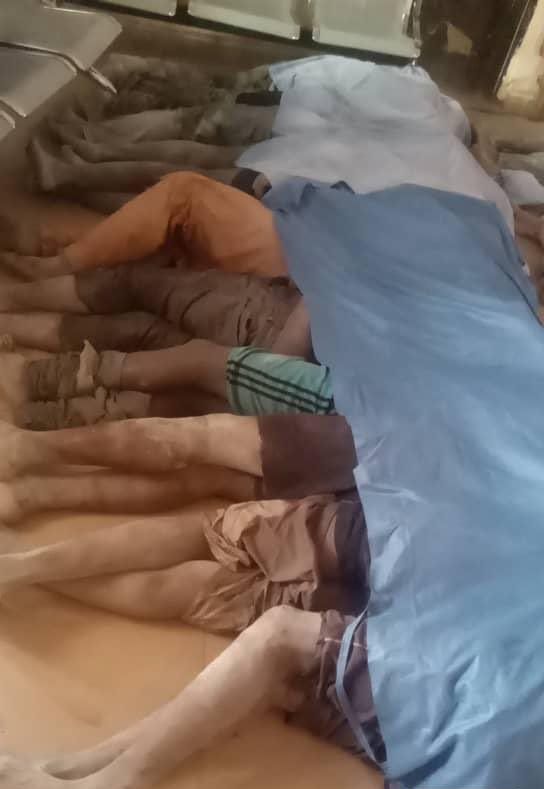
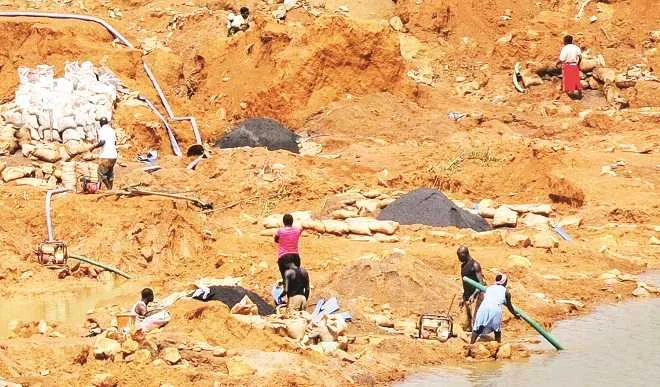
The fatal incident unfolded early Wednesday at a mining facility operated by Solid Mining Company in Zurak, a community within Wase Local Government Area. Local accounts indicate that the victims were carrying out routine excavation activities when toxic gas accumulated in poorly ventilated tunnels, overwhelming those underground.
Individuals familiar with the emergency response, who spoke to security analyst Zagazola Makama, indicated that the deceased were predominantly young men between the ages of 20 and 35. The exposure occurred while they were working several meters below ground level, where limited airflow may have intensified the concentration of the odorless gas.
Witnesses described a frantic rescue effort as miners began collapsing inside the shafts. Co-workers reportedly scrambled to pull out those who were still breathing, carrying some to the surface before organized rescue operations were fully underway.
Emergency teams, assisted by site personnel, sealed off the affected section of the mine and transported 25 survivors to a nearby primary health center for urgent medical care. Medical personnel have indicated that several of the injured remain in critical condition, battling complications linked to prolonged carbon monoxide inhalation.
Security officials confirmed that the mining location has been secured to prevent additional exposure and to preserve the area for examination. One official, speaking on condition of anonymity because they were not authorized to brief the media, said strict emergency measures were activated.
“The site is under strict control, and emergency protocols are being followed to manage the situation,” the official disclosed.
Authorities have initiated an inquiry to determine the precise chain of events that led to the suspected gas leak. The investigation will examine ventilation systems, gas monitoring measures and adherence to established mining safety guidelines. Regulators are also expected to evaluate whether the operating company complied with statutory requirements governing underground mining operations.
The identities of the deceased had not been formally released as of Wednesday evening, pending notification of families. Community leaders in Zurak said the tragedy has cast a pall over the area, where mining activities provide a primary source of employment for many households.
Carbon monoxide, a colorless and odorless gas, can accumulate in confined environments, especially in underground sites lacking sufficient ventilation. Prolonged exposure deprives the body of oxygen, often resulting in unconsciousness and death if not swiftly treated. Safety experts stress that continuous gas detection systems and functional ventilation shafts are critical safeguards in such settings.
Broader Safety Concerns in Nigeria’s Mining Sector
Wednesday’s disaster has intensified debate about occupational hazards in Nigeria’s mining industry. Plateau State, rich in mineral deposits, has long been a hub for artisanal and commercial mining. However, enforcement of safety standards has often been uneven, particularly in remote operations.
Industry analysts note that while federal regulations mandate ventilation systems, regular inspections and emergency response frameworks, implementation varies widely. Resource constraints, limited oversight personnel and the proliferation of informal mining ventures have complicated regulatory compliance.
In recent years, federal authorities have pledged reforms aimed at formalizing the sector and improving oversight. The Ministry of Solid Minerals Development has repeatedly emphasized modernization efforts designed to reduce fatalities and environmental damage. Still, recurring incidents suggest systemic gaps persist.
The tragedy in Wase underscores the inherent dangers of subterranean extraction work, where unseen hazards can prove lethal within minutes. Experts argue that beyond regulatory compliance, investment in worker training and advanced monitoring technology remains essential.
Community advocates in Plateau have also raised concerns about the socioeconomic pressures that drive young men into high-risk mining jobs. With limited alternative employment opportunities, many workers accept hazardous conditions in exchange for steady income. This dynamic, observers say, amplifies the human toll when safety measures fail.
Investigation and Accountability
Officials have pledged a comprehensive probe into the circumstances surrounding the gas buildup. The inquiry is expected to determine whether mechanical failure, inadequate ventilation or operational negligence contributed to the disaster. Findings could lead to administrative sanctions or legal consequences if violations are established.
Legal analysts say that accountability mechanisms will be closely watched, particularly by families of the victims and labor rights groups. Transparent disclosure of investigative results, they contend, will be crucial in restoring public confidence.
The Solid Mining Company had not issued a public statement as of Wednesday night. Regulatory authorities are anticipated to release further details once preliminary assessments are completed.
While investigations focus on the immediate cause, the incident raises broader questions about industrial safety governance in Nigeria. A fatality count of this magnitude suggests potential lapses not only at the operational level but also in systemic monitoring.
Strengthening inspection frameworks may require increased funding, digital tracking of compliance records and collaboration with international mining safety bodies. Additionally, integrating real-time gas detection systems and automated ventilation alerts could significantly reduce risk in deep mining operations.
The economic implications are also significant. Mining remains central to diversification efforts beyond oil dependence. However, repeated safety failures could deter both domestic and foreign investment, particularly if they expose weaknesses in regulatory enforcement.
For local communities, the loss extends beyond immediate grief. Families dependent on miners’ incomes face financial instability, compounding the social impact. This reality may intensify calls for compensation mechanisms and social protection schemes for affected households.
Ultimately, the Plateau disaster may serve as a turning point. Whether it catalyzes substantive reforms or fades into a cycle of recurring tragedies will depend on the thoroughness of investigations and the resolve of policymakers to address structural deficiencies.
Further official briefings, including confirmation of victims’ identities and statements from regulatory agencies, are expected in the coming days as authorities continue their assessment of the mining site in Wase.





