

(AP) — Kenyan police have detained a man accused of orchestrating a recruitment scheme that allegedly lured hundreds of Kenyans to Russia with promises of skilled employment, only for many to find themselves deployed to the front lines of Moscow’s war in Ukraine.
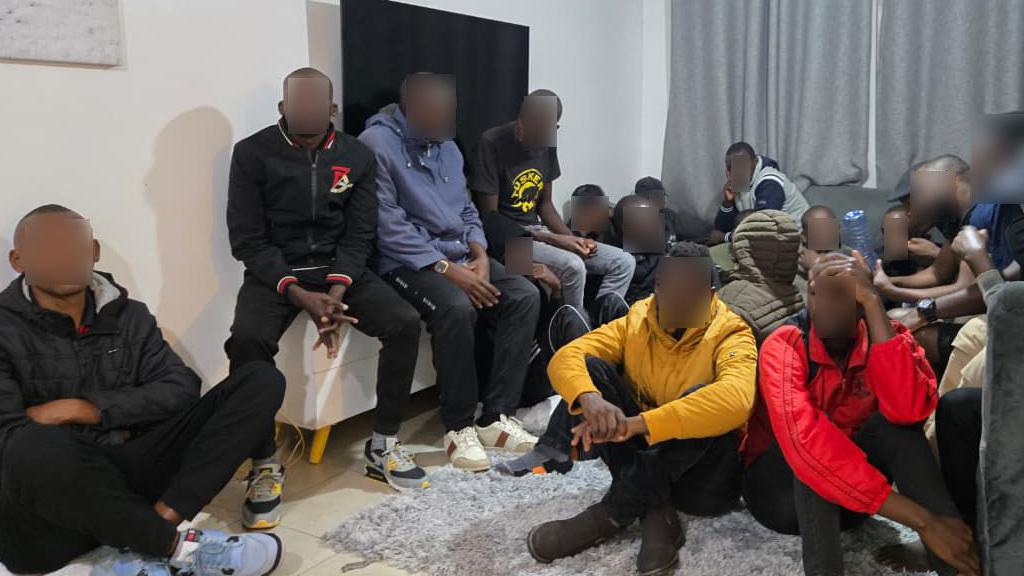
Festus Omwamba was arrested in Moyale, a town in northern Kenya near the Ethiopian border, on suspicion of human trafficking. Police spokesperson Michael Muchiri confirmed that the suspect would be transferred to Nairobi for further questioning and possible prosecution. Authorities indicated Omwamba had recently returned from Russia and was attempting to evade law enforcement.
Omwamba’s name surfaced in interviews with three Kenyan recruits who spoke to The Associated Press and described how they were drawn into what they believed were legitimate overseas job opportunities. Those recruits said he disappeared from contact after families began raising alarm over the disappearance and reported deaths of relatives fighting in Ukraine.
Kenyan officials disclosed last week that more than 1,000 citizens had been recruited to fight alongside Russian forces. Government figures show at least 89 Kenyans remain on the front lines, 39 are hospitalized, 28 are missing in action, and several have returned home. At least one Kenyan has been confirmed dead.
An intelligence brief presented before Parliament by Majority Leader Kimani Ichung’wah alleged collusion between Kenyan and Russian officials and rogue employment agencies in channeling recruits into combat roles. The report suggested that the scheme exploited economic hardship and high unemployment among Kenyan youth.
The Russian Embassy in Nairobi rejected those claims in a statement issued Thursday, asserting that it had not issued visas to individuals traveling to Russia for the purpose of fighting in Ukraine. The embassy added that while Russia does not prevent foreign nationals from voluntarily enlisting in its armed forces, it denied facilitating any recruitment drive targeting Kenyans.
Kenya’s Foreign Minister Musalia Mudavadi told The Associated Press on Feb. 9 that he planned to travel to Russia to pursue what he described as a diplomatic effort aimed at curbing questionable recruitment practices. Mudavadi said Kenyan authorities were also working to secure the return of citizens detained in Ukraine and repatriate those stranded in Russia.
He recalled that President William Ruto had appealed directly to Ukrainian authorities to consider the circumstances of Kenyans found on the battlefield and to facilitate their return where possible.
Omwamba’s arrest marks the most significant law enforcement action so far in Kenya’s attempt to dismantle what officials characterize as a trafficking pipeline feeding foreign battlefields.
One recruit, John Kamau, who managed to flee the front lines and seek assistance from the Kenyan Embassy in Russia before being processed for return home, told the AP he first encountered Omwamba at a Nairobi residence where prospective recruits were housed while awaiting travel documents.
Another recruit, who requested anonymity citing fears of retaliation, said Omwamba avoided written communication and instead relied on in-person meetings or phone calls. The recruit said he had responded to an offer for plumbing work in Russia but was detained upon arrival, had his passport confiscated, and was transported to a military training facility before deployment to Ukraine.
The recruits said Omwamba supervised their tourist visa applications and coordinated flight bookings. Within two weeks of initial contact, they had received travel documents and departed for Russia.
The revelations come as the war in Ukraine continues to draw foreign nationals into its ranks, whether through formal enlistment, mercenary networks or deceptive recruitment schemes. Russia has faced manpower shortages amid sustained fighting, and reports of foreign fighters joining its forces have surfaced periodically since the invasion began in 2022.
For Kenya, the episode underscores vulnerabilities tied to youth unemployment and labor migration. Thousands of Kenyans seek work abroad each year, particularly in the Gulf and Europe, creating fertile ground for unscrupulous agents promising lucrative placements overseas.
Analysts say the alleged recruitment network may have exploited gaps in oversight of private job agencies and insufficient scrutiny of outbound travel linked to ambiguous employment offers. The intelligence report presented in Parliament suggests the possibility of deeper systemic failures if collusion claims are substantiated.
Diplomatically, the situation places Nairobi in a delicate position. Kenya has maintained formal neutrality regarding the Ukraine conflict while balancing relationships with Western allies and non-Western partners. Allegations of recruitment tied to Russian interests risk complicating those ties and could prompt stronger regulatory frameworks governing foreign labor contracts.
The human toll also raises domestic political pressure. Families of missing or deceased recruits have staged protests demanding accountability and government intervention. The confirmation that dozens of Kenyans remain hospitalized or missing intensifies scrutiny of official responses.
If prosecutors move forward with charges against Omwamba, the case could set a precedent for addressing transnational recruitment schemes tied to foreign conflicts. Legal experts note that successful prosecution would likely hinge on demonstrating intent to deceive and direct involvement in facilitating combat deployment rather than civilian employment.
For the individuals who returned, reintegration poses additional challenges. Many may carry psychological trauma from combat exposure, and some could face legal ambiguity regarding their participation in foreign military service.
Kenyan authorities have pledged continued investigation into the alleged network and have urged citizens to verify overseas job offers through official government channels. As diplomatic engagements unfold and legal proceedings advance, the case highlights the global reach of the Ukraine war and its ripple effects far beyond Europe’s borders.
The arrest in Moyale may represent only the first step in unraveling a complex web of recruitment, deception and international geopolitics — one that has drawn ordinary Kenyans into one of the most consequential conflicts of the 21st century.





