

ISLAMABAD (BN24) — Artillery exchanges along the volatile Pakistan Afghanistan frontier struck residential areas and a mosque this week, wounding civilians including women and children as clashes between the two neighbors intensified, residents and officials said.
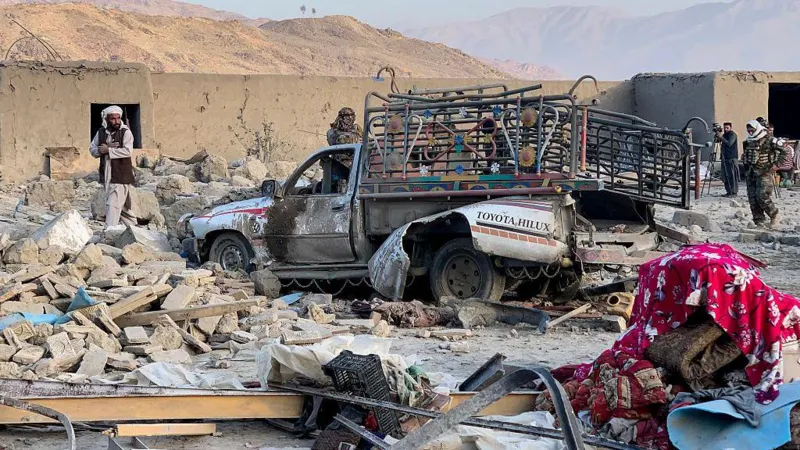
People living near the disputed sections of the border described shells landing in densely populated areas, damaging homes and forcing families to flee. Community members in affected districts said the explosions shattered windows and left several civilians injured.
Authorities in Afghanistan, led by the country’s Taliban administration, acknowledged that cross-border strikes had occurred. However, officials disputed some casualty figures circulating locally and indicated that their forces had launched retaliatory operations targeting positions near the frontier.
Pakistani officials, meanwhile, asserted that their security forces responded to militant activity originating from across the border. Both sides claimed to have inflicted losses on the other’s military units, though independent verification of battlefield accounts remained unavailable.
At the center of the confrontation is Pakistan’s long-standing allegation that fighters from Tehreek-e-Taliban Pakistan (TTP) are operating from Afghan territory. Islamabad has repeatedly accused the group of using safe havens inside Afghanistan to stage attacks against Pakistani security forces and civilians.
Afghanistan’s Taliban authorities have rejected those accusations, insisting they do not permit armed groups to use Afghan soil to target other countries. The administration in Kabul has instead blamed escalating tensions on what it describes as unilateral military actions by Pakistan along the frontier.
The border, which stretches roughly 2,600 kilometers (1,600 miles), has long been a flashpoint. Known as the Durand Line, it cuts through rugged terrain and tribal regions where communities straddle both sides. Its status has historically been disputed, contributing to recurring friction.
In recent days, key crossings have remained largely closed, disrupting commercial shipments and halting daily cross-border movement for traders, laborers and families with ties on both sides. Transporters reported long queues of trucks carrying perishable goods, while residents described shortages of essential supplies in some local markets.
Regional diplomatic initiatives aimed at defusing the crisis have so far yielded little progress. Efforts by neighboring countries to encourage dialogue have not produced a breakthrough, leaving both governments facing one of their most serious standoffs in years.
Security analysts note that relations between Islamabad and Kabul have grown increasingly strained since the Taliban returned to power in Afghanistan in 2021. Initially, Pakistani officials had expressed cautious optimism about cooperation with the new authorities. But a surge in militant attacks inside Pakistan many attributed to the TTP has eroded trust.
The TTP, ideologically aligned with the Afghan Taliban but organizationally distinct, has waged an insurgency against the Pakistani state for more than a decade. Islamabad maintains that cross-border sanctuaries allow the group to regroup and plan operations. Kabul has consistently denied offering refuge.
Civilians living near the frontier often bear the brunt of such escalations. In villages affected by the recent shelling, families sought shelter overnight amid fears of renewed bombardment. Local elders appealed for restraint, warning that prolonged fighting would compound humanitarian pressures in already fragile districts.
Neither government released comprehensive casualty figures. Military spokespeople on both sides highlighted what they described as defensive measures and emphasized their readiness to safeguard territorial integrity.
The latest confrontation underscores the precarious security dynamic shaping Pakistan–Afghanistan relations. While cross-border skirmishes are not unprecedented, the scale and intensity of recent exchanges point to deepening mistrust.
For Pakistan, curbing militant violence has become a pressing domestic priority. A rise in attacks targeting police and military personnel has fueled public concern and placed pressure on authorities to respond decisively. Linking these incidents to alleged cross-border networks strengthens Islamabad’s justification for tougher border enforcement but also risks provoking retaliatory measures.
For Afghanistan’s Taliban administration, the accusations carry diplomatic and economic consequences. Kabul is seeking broader international recognition and relief from economic isolation. Persistent claims that militant groups operate freely within its territory complicate those ambitions.
The closure of border crossings highlights another layer of vulnerability: economic interdependence. Afghanistan relies heavily on trade routes through Pakistan for access to seaports, fuel and consumer goods. Prolonged disruptions could worsen inflationary pressures and humanitarian strain inside Afghanistan, where millions already depend on aid.
At the same time, Pakistan’s border regions face economic fallout when trade halts. Small businesses, transport workers and daily wage earners depend on the steady flow of goods and people. Interruptions can quickly ripple through local economies.
Diplomatically, the standoff presents a test for regional mediation mechanisms. Neighboring states have a vested interest in preventing sustained instability that could spill across borders. However, without direct bilateral trust-building measures, external mediation may have limited impact.
Strategically, the clashes reveal the enduring volatility of the frontier itself. The mountainous terrain complicates surveillance and control, and overlapping tribal affiliations blur jurisdictional lines. Even minor incidents can escalate rapidly amid mutual suspicion.
The immediate question is whether both governments will recalibrate to prevent further civilian harm. Historically, periods of heightened tension have alternated with fragile truces. Yet the underlying grievances militant sanctuaries, border recognition and political distrust — remain unresolved.
As artillery fire subsides and diplomatic channels continue behind closed doors, communities along the frontier confront an uncertain future. For residents who share ethnic, familial and commercial ties across the boundary, the geopolitical dispute is not an abstract matter of statecraft but a daily reality measured in safety, mobility and livelihood.
Whether this episode marks a temporary spike or a more sustained deterioration in relations may depend on the willingness of Islamabad and Kabul to move from public recriminations to practical security coordination a step that has proved elusive in the past.





