

KYIV, Ukraine (BN24) — Ghana’s government has confirmed that 55 of its citizens have been killed while fighting for Russian forces in Ukraine, Foreign Minister Sam Okudzeto Ablakwa said Friday, describing the figures as “depressing and frightening.”
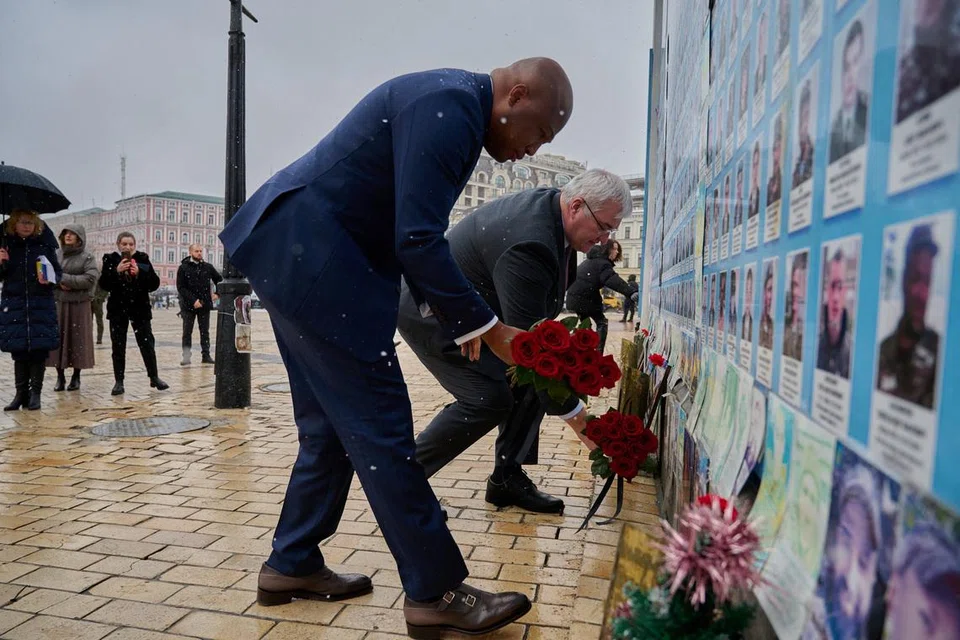
In a message posted on X following talks in Kyiv with his Ukrainian counterpart, Ablakwa disclosed that 272 Ghanaians are believed to have been drawn into the conflict since 2022. Of that number, 55 have been confirmed dead and two have been captured and are being held as prisoners of war.
“We cannot turn a blind eye to these heartbreaking statistics. These are not just numbers; they represent human lives, the hope of many Ghanaian families and our nation,” Ablakwa wrote after the meeting in the Ukrainian capital.
The announcement marks one of the clearest acknowledgments by an African government of the scale at which its nationals have become entangled in the war between Russia and Ukraine.
Earlier this week, Ukrainian authorities indicated that more than 1,780 individuals from 36 African countries had been identified among Russian ranks since the war began. Ghanaian officials say they are working to verify identities and circumstances surrounding recruitment.
Ablakwa emphasized that Accra is determined to disrupt what he described as clandestine recruitment operations. The government, he said, is “committed to tracking and dismantling all dark web illegal recruitment schemes operating within our jurisdiction.”
His remarks come amid mounting concern across Africa that citizens are being enticed abroad with promises of employment, only to find themselves deployed to active combat zones.
Journalists from AFP encountered prisoners of war in late 2025 who hailed from Kenya, Togo, Cameroon and Nigeria. Several of those detainees alleged they had been offered what they believed were civilian jobs in Russia, but upon arrival were compelled to sign military contracts and sent to the battlefield with little preparation.
Authorities in Kenya this week charged a prominent individual accused of coordinating the recruitment of more than 1,000 Kenyans to fight for Russia. The state prosecutor filed human trafficking counts on Thursday, signaling a broader regional response to the alleged networks.
In South Africa, Foreign Minister Ronald Lamola said 15 men who were reportedly misled into joining mercenary formations have recently been repatriated. Several others remain in Russia, and at least two South Africans have died in the conflict, he said.
The disclosures have intensified scrutiny of recruitment channels that appear to operate across borders, often targeting young men facing economic hardship.
While the Ghanaian government has not detailed the socioeconomic profiles of those involved, analysts note that high unemployment rates and limited economic prospects in parts of Africa create fertile ground for deceptive recruitment campaigns.
Security experts say such networks frequently advertise lucrative construction or security jobs abroad, masking the true nature of the work. Once individuals arrive in Russia or Russian-controlled areas, they may be pressured or coerced into signing military contracts.
The war in Ukraine, now entering its fourth year, has generated heavy casualties on both sides. As the conflict drags on, both Moscow and Kyiv have sought manpower through various channels, including foreign volunteers and, in some cases, contract recruits.
There is no public evidence that Ghana’s government sanctioned or was aware of its citizens’ involvement before the deaths were reported. Ablakwa’s comments suggest that authorities are now focused on prevention and repatriation where possible.
The confirmation of Ghanaian fatalities could complicate diplomatic dynamics. Ghana has historically maintained non-aligned positions in global conflicts and has called for peaceful resolution of the war.
By publicly addressing the deaths, Accra may be signaling a shift toward more assertive intervention in cases involving its nationals abroad. Efforts to dismantle recruitment schemes could require cooperation with international law enforcement agencies and cybersecurity units, particularly if online platforms are being used to lure recruits.
Legal scholars say prosecutions for human trafficking may hinge on demonstrating deception, coercion or exploitation. Where individuals knowingly signed military contracts, cases could prove more complex.
The issue also raises broader questions about accountability. If recruits were misled about the nature of their work, responsibility could extend beyond individual brokers to organized transnational networks.
The revelations have resonated beyond Ghana. Across Africa, governments are confronting similar reports of citizens caught in foreign battlefields.
The identification of 1,780 African nationals among Russian forces, as cited by Ukrainian officials, suggests the phenomenon is not isolated. Observers say the trend reflects a convergence of economic vulnerability and aggressive recruitment tactics amid a protracted war.
Human rights advocates warn that African recruits may face heightened risks, including inadequate training, language barriers and limited diplomatic protection if captured.
For families in Ghana and elsewhere, the human toll is immediate. The 55 confirmed deaths represent not only a statistical figure but dozens of households grappling with loss and unanswered questions about how their relatives became combatants in a distant war.
Ghanaian authorities say investigations are continuing, with an emphasis on identifying intermediaries and cutting off recruitment pipelines. Officials have not specified whether any arrests have been made within Ghana.
Ablakwa’s remarks in Kyiv underscore the government’s intention to remain engaged diplomatically while addressing domestic concerns. He has not indicated whether Ghana will seek formal discussions with Russian officials regarding the status of its nationals.
As the war persists, the plight of foreign recruits particularly those allegedly misled is likely to draw increasing international attention. For Ghana, the immediate priority appears to be preventing further loss of life and ensuring that vulnerable citizens are not drawn into a conflict far from home.
The government has pledged additional updates as verification efforts continue.





