

(NBC) — President Donald Trump declared Saturday that Iran’s Supreme Leader, Ayatollah Ali Khamenei, is dead following coordinated U.S. and Israeli strikes carried out before dawn, a claim that had not been confirmed by Iranian authorities.
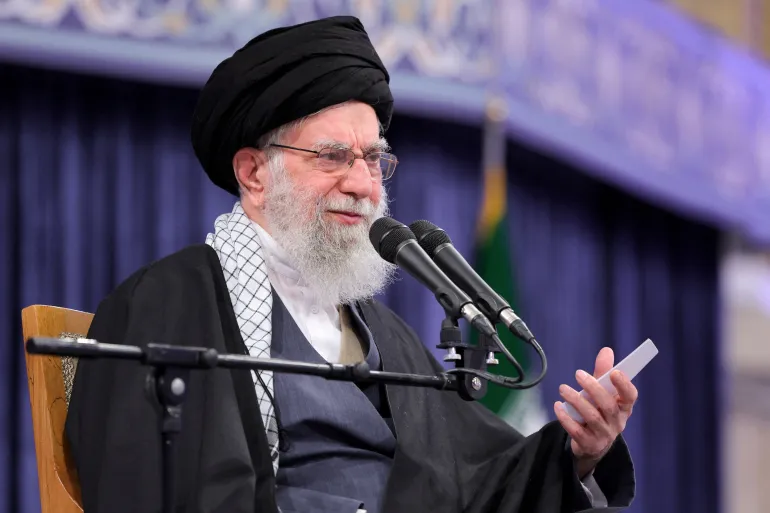
In a post on Truth Social, Trump described Khamenei as “one of the most evil people in history” and framed the reported killing as a decisive blow against Iran’s leadership.
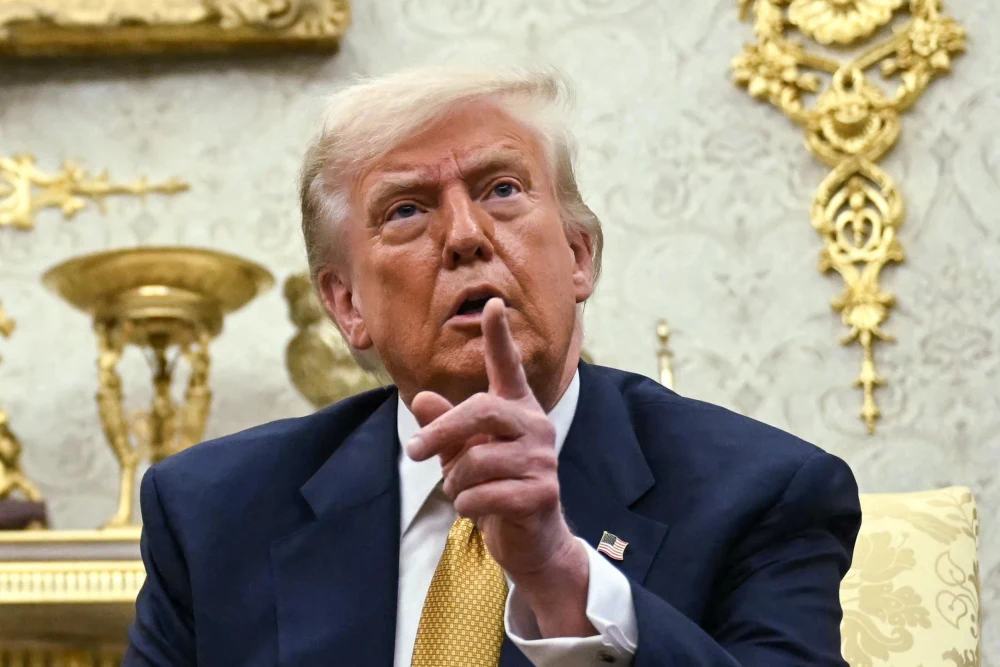
“This is not only Justice for the people of Iran, but for all Great Americans, and those people from many Countries throughout the World, that have been killed or mutilated by Khamenei and his gang of bloodthirsty THUGS,” Trump wrote.
Khamenei, who had served as Iran’s highest political and religious authority since 1989, oversaw the country’s military posture and nuclear strategy for more than three decades. As supreme leader, he wielded final authority over the Islamic Revolutionary Guard Corps and maintained decisive influence across Iran’s government.
Earlier Saturday, Trump addressed emerging accounts that Khamenei had been killed in airstrikes, telling reporters, “We feel that that is a correct story.” He asserted that “most” of Iran’s senior leadership was “gone,” adding, “The people that make all the decisions, most of them are gone.”
Iranian officials did not immediately confirm the report.
An Israeli official told NBC News that Israel was “99% sure” Khamenei had been killed in an earlier strike and was completing final verification procedures. A senior U.S. official familiar with the situation said Washington believes Khamenei is dead based on communications from Israeli authorities. Another senior official briefed on military operations and intelligence assessments told NBC News that Khamenei is “almost certainly dead.”
In a separate interview with NBC News, Trump said the strikes extended beyond a single operation.
“There were three attacks,” Trump said. “And you know about the one that was covered, but there were two other attacks, which inflicted very great losses on their leadership.”
When asked about the timing, Trump indicated the strikes occurred “over the last 24 hours.” Speaking by phone with NBC News, he characterized the impact as extensive.
“A large amount of leadership” had been killed, Trump said. “I don’t mean like two people,” he added, without offering specific figures.
Pressed on who might succeed Khamenei, Trump responded, “I don’t know, but at some point they’ll be calling me to ask who I’d like.” He quickly added that he was “only being a little sarcastic.”
The comments came after weeks of escalating rhetoric from the White House as the administration pursued negotiations aimed at constraining Iran’s nuclear and missile programs. Trump had repeatedly suggested that military action remained under consideration if diplomacy failed.
“We have a big decision to make. You know that. Not easy, not easy. We have a very big decision to make,” Trump said during a visit Friday to Corpus Christi, Texas. “I’d rather do it the peaceful way. But they’re very difficult people, I want to tell you that, they’re very dangerous people, very difficult people.”
Khamenei’s reported death, if confirmed, would mark one of the most consequential leadership losses in Iran since the 1979 Islamic Revolution. He succeeded Ayatollah Ruhollah Khomeini and consolidated power over decades, guiding Iran through regional conflicts, economic sanctions and contentious nuclear negotiations with Western powers.
The potential elimination of Iran’s top cleric raises immediate questions about succession and stability within the Islamic Republic. Iran’s constitution assigns the Assembly of Experts the responsibility of appointing a new supreme leader, but no publicly acknowledged successor had been formally designated. Analysts say the absence of a clear transition plan could heighten tensions within the clerical establishment and among security forces.
At the same time, Iran has historically responded to external military pressure by rallying nationalist sentiment. While Trump portrayed the strikes as a turning point for the Iranian public, it remains unclear whether domestic unrest would follow or whether state institutions would tighten their grip.
The broader regional implications are also uncertain. Iran maintains a network of allied militias across the Middle East, and retaliation could extend beyond direct missile exchanges. Oil markets and global shipping lanes, particularly the Strait of Hormuz, are closely watched amid fears of further escalation.
As of Saturday evening, Iranian state media had not acknowledged Khamenei’s death. Without confirmation from Tehran, Trump’s declaration leaves a significant gap between U.S. assertions and official Iranian statements.
The situation remains fluid, with military operations and diplomatic responses still unfolding across the region.





