

The assailant behind Sunday’s deadly mass shooting at a crowded Austin bar has been identified as Ndiaga Diagne, a 53-year-old Senegalese immigrant with a two-decade criminal history spanning New York and Texas, as federal investigators examine potential terrorism connections including the gunman’s religious attire and possible motivations tied to escalating U.S.-Iran military conflict.
Diagne arrived in the United States on March 13, 2000, entering on a B-2 tourist visa during the Clinton administration before establishing permanent legal residency in June 2006 when he married an American citizen, a source familiar with his immigration history told The Post. He subsequently obtained naturalized U.S. citizenship on April 5, 2013, during the early months of former President Barack Obama’s second term—despite accumulating arrests in multiple jurisdictions that apparently failed to derail his path to citizenship.
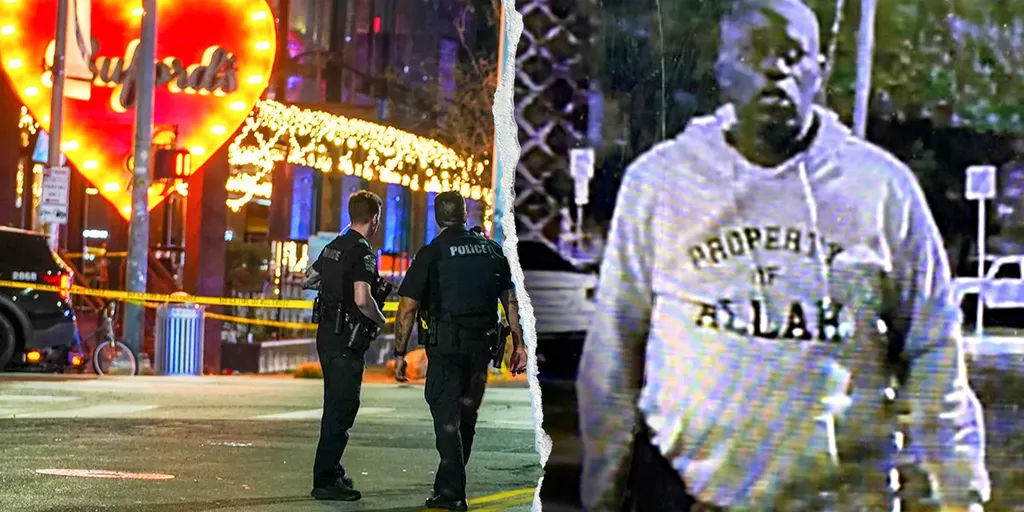
The gunman wore a “Property of Allah” hoodie during Sunday’s rampage and possessed a Quran in his vehicle, according to law enforcement sources familiar with the investigation. He was also possibly wearing an undershirt featuring the Iranian flag or other Iranian symbols when he opened fire on Buford’s Backyard Beer Garden near the University of Texas-Austin campus, raising questions about whether the attack represented retaliation for ongoing U.S. military operations against Iran.
“Obviously it’s still way too early in the process to determine the exact motivation but there were indicators on the subject and in his vehicle that indicate potential nexus to terrorism,” Alex Doran, acting Special Agent in charge of the FBI’s San Antonio office, told journalists at a press conference following the shooting.
The violence erupted approximately 2 a.m. Sunday—closing time for the popular nightspot—as hundreds of patrons were departing to head home following an evening of socializing in Austin’s entertainment district. Witnesses reported that Diagne’s large SUV was observed circling the block multiple times before he stopped directly in front of the bar and commenced firing through his front window with a pistol, striking patrons gathered on the establishment’s front patio.
Austin Police Chief Lisa Davis confirmed that after the initial gunfire from his vehicle, Diagne parked his SUV, exited, and began shooting at pedestrians walking along the street in what appeared to be indiscriminate targeting of civilians in the densely populated area near the university campus.
Police officers confronted the shooter within less than one minute of the first gunshot at an intersection on 6th Street—Austin’s famous entertainment corridor—and engaged him with gunfire, authorities confirmed. The rapid police response likely prevented additional casualties as hundreds of people remained in the immediate vicinity when shooting commenced.
Two victims and the shooter died at the scene from gunshot wounds. Emergency responders transported 14 additional patients to nearby hospitals, with three initially listed in critical condition. The swift medical response and proximity to major trauma centers likely saved lives among the severely wounded.
“Our hearts go out to the people that are victims of this and I want to reiterate my thanks to our public safety officers and officials that so rapidly were on the scene, they definitely saved lives,” Austin Mayor Kirk Watson declared in a statement acknowledging both the tragedy and the effective emergency response that limited casualties.
Texas Governor Greg Abbott issued a forceful statement connecting the attack to broader regional tensions and warning against additional violence targeting Texans or critical infrastructure. “This act of violence will not define us, nor will it shake the resolve of Texans. To anyone who thinks about using the current conflict in the Middle East to threaten Texans or our critical infrastructure, understand this clearly: Texas will respond with decisive and overwhelming force to protect our state,” Abbott proclaimed.
The governor’s explicit reference to Middle Eastern conflict suggested that state authorities were seriously considering whether Diagne’s attack constituted terrorism motivated by U.S. military operations against Iran that have dominated international headlines in recent days. The timing—occurring as American forces continue bombing Iranian targets—provided circumstantial context potentially supporting terrorism hypotheses.
Diagne’s immigration and criminal history revealed a troubling pattern of legal violations that apparently failed to trigger deportation or prevent his naturalization. In New York City, he accumulated arrests between 2001 and 2016, beginning with an illegal vending charge in 2001—just over one year after his arrival in the United States on a tourist visa.
Three additional New York City arrests were sealed, preventing public disclosure of the charges or outcomes, law enforcement sources confirmed. The sealed records raise questions about what offenses Diagne committed and why they remained confidential despite his subsequent naturalization as a U.S. citizen—a process that typically involves background checks examining criminal history.
Diagne also faced arrest in Texas on undisclosed charges at some point during his residency in that state, sources indicated. Details regarding the nature of those Texas arrests, when they occurred, or how they were resolved remained unclear as investigators worked to reconstruct his background and identify potential warning signs that might have been missed.
Sources revealed that Diagne was recognized as an emotionally disturbed person in both New York and Texas—a designation typically indicating encounters with law enforcement or mental health professionals involving behavioral concerns. The classification raises questions about whether mental health interventions were attempted and whether authorities adequately tracked an individual known to experience psychological disturbances.
In a puzzling twist, Diagne applied for asylum in 2016—sixteen years after his initial entry to the United States and three years after obtaining citizenship. The outcome of that asylum application and the stated reasons for seeking protected status remained unclear, though the timeline suggested possible complications in his personal circumstances or immigration status that investigators would need to unravel.
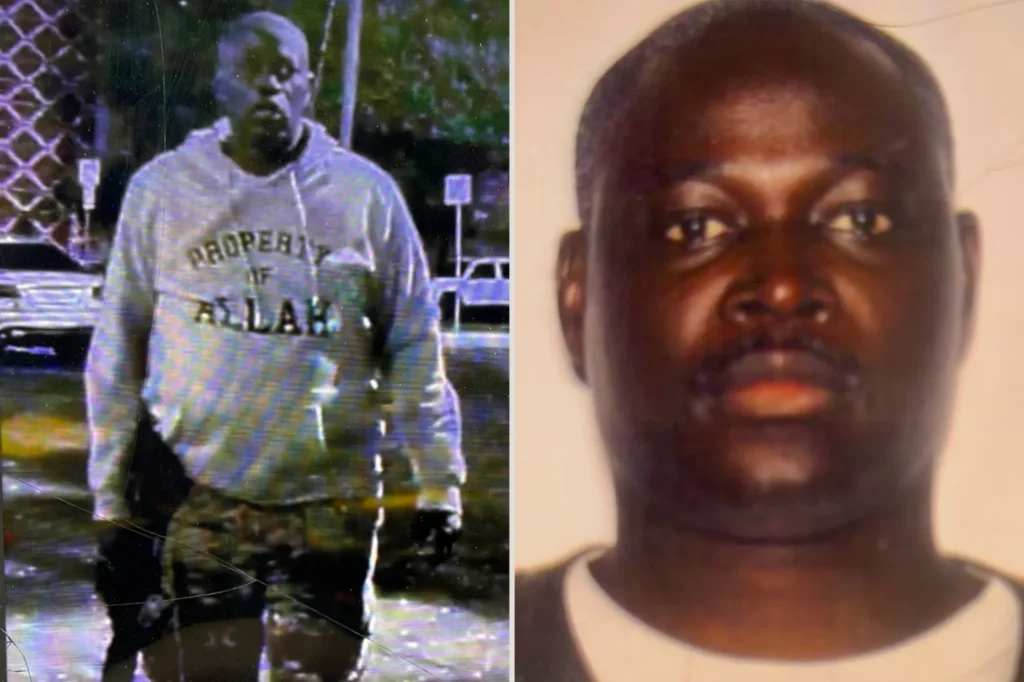
The serial offender’s decision to target Buford’s Backyard Beer Garden—a popular establishment frequented by University of Texas students and young professionals—appeared calculated to maximize casualties among civilians enjoying weekend nightlife. The 2 a.m. timing coincided with bar closing when large crowds would be concentrated outside the venue, providing a target-rich environment for someone seeking to inflict mass casualties.
The FBI’s involvement signaled federal authorities’ assessment that the attack potentially constituted domestic terrorism rather than merely criminal violence. The presence of religious texts and imagery, combined with the geopolitical context of intensifying U.S.-Iran conflict, provided sufficient indicators to warrant terrorism investigation under federal statutes addressing ideologically motivated violence.
However, investigators cautioned against premature conclusions about Diagne’s motivations. Mass shootings frequently involve complex combinations of personal grievances, mental health crises, ideological influences, and opportunistic targeting that resist simple explanations. Whether Diagne acted primarily from religious extremism, political motivations related to Iran, personal psychological disturbance, or some combination remained subject to ongoing investigation.
The Austin shooting represented the latest in a series of mass casualty incidents that have plagued American communities with devastating regularity. The attack’s potential terrorism dimension added layers of complexity to debates about immigration screening, criminal justice responses to repeat offenders, mental health intervention systems, and counterterrorism strategies addressing domestic threats.
For Austin residents and University of Texas students who frequent the 6th Street entertainment district, the violence shattered assumptions about safety in familiar environments. The randomness of the attack—targeting people simply enjoying weekend social activities—amplified psychological impacts as survivors and community members grappled with vulnerability in spaces previously considered secure.
As FBI agents continued processing evidence from Diagne’s vehicle and reconstructing his movements prior to the attack, federal prosecutors prepared to examine whether additional individuals provided support, encouragement, or resources that facilitated the violence. Terrorism investigations typically explore networks and connections beyond lone perpetrators to identify potential conspirators or enablers who might pose continuing threats.
The investigation also promised to scrutinize how Diagne—despite multiple arrests and designation as emotionally disturbed—navigated immigration and naturalization processes without triggering interventions that might have prevented tragedy. Immigration authorities and citizenship adjudicators would face questions about screening procedures, background check thoroughness, and whether existing systems adequately identify individuals whose criminal histories or behavioral patterns suggest elevated risks.
For victims’ families confronting sudden losses and survivors processing trauma from witnessing mass violence, Diagne’s background and potential motivations provided little comfort. Regardless of whether investigators ultimately classified the attack as terrorism, criminal rampage, or mentally ill violence, the human toll remained devastatingly real for Austin families whose lives were irrevocably shattered by gunfire on a Sunday morning.
As the investigation continued, Austin joined the grim roster of American communities forced to process mass shooting trauma while debating policy responses that might prevent future attacks. The potential terrorism dimension added urgency to conversations about domestic extremism, radicalization indicators, and the challenges of identifying and disrupting individuals who transition from harboring violent ideologies to executing deadly attacks against innocent civilians.
nypost





