

HARARE, Zimbabwe (BN24) —Zimbabwean authorities on Monday initiated the release of nearly 4,000 inmates following a presidential amnesty aimed at reducing prison overcrowding, a move that comes as the government advances contentious constitutional reforms that could extend President Emmerson Mnangagwa’s tenure in office.
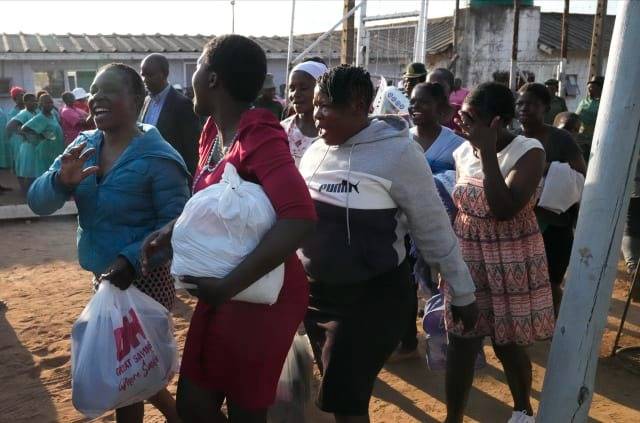
Justice Minister Ziyambi Ziyambi, addressing journalists in Harare, confirmed that the discharge of 3,978 beneficiaries had commenced. He indicated that the measure forms part of a broader clemency initiative designed to ease pressure on correctional facilities while prioritizing inmates considered vulnerable or demonstrably rehabilitated.
National correctional data shows Zimbabwe’s prison population exceeded 24,000 during the second quarter of 2025, a figure that has intensified concerns over overcrowding and strained infrastructure within detention centers.
Ziyambi explained that the total number of individuals eligible for release under the decree will reach 4,305, including 223 women. He emphasized that the selection criteria targeted inmates who had shown measurable reform during incarceration.
“This initiative underscores the nation’s dedication to restorative justice and the humane management of correctional institutions,” Ziyambi told reporters, framing the amnesty as both compassionate and strategic.
The cabinet unveiled the clemency decision in February on the same day it endorsed sweeping constitutional amendments. Those proposed changes include provisions that would allow the 83-year-old president’s term to run until 2030. The legislative package also seeks to extend presidential terms from five to seven years and eliminate direct general presidential elections, transferring authority to parliament to select the head of state. The amendments require parliamentary approval, where Mnangagwa’s ruling Zanu-PF party holds a dominant majority.
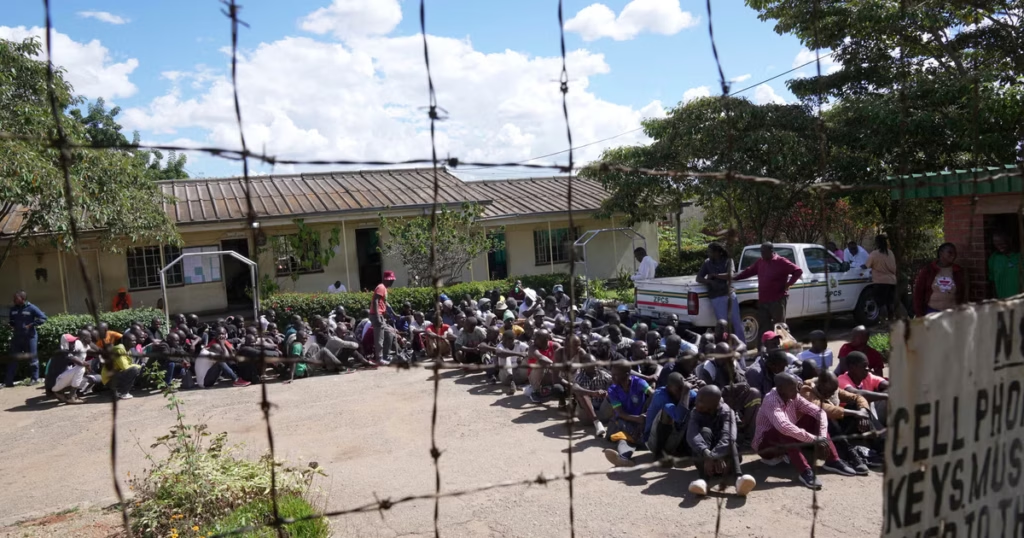
Among those released Monday was 23-year-old Tendai Chitsika, who had been serving a six-month sentence for theft and was nearing completion of his term. Speaking to AFP at Harare Central Prison, Chitsika described his incarceration as transformative.
“It was a learning curve for me. I’m a changed person, and I promise to do good out there,” he said, expressing gratitude to the president for the opportunity.
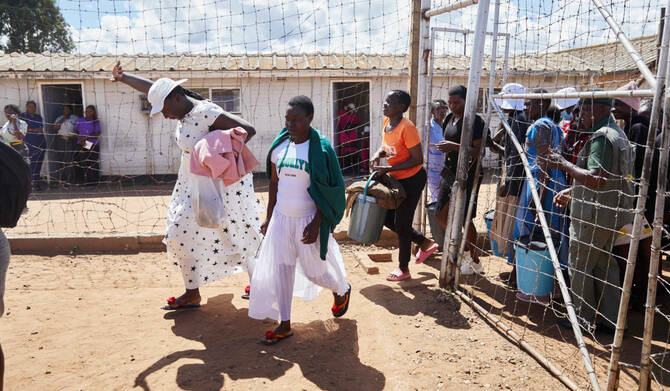
Scenes at the prison reflected both relief and lingering uncertainty. Inmates assembled in separate groups: those still clad in orange uniforms awaiting continued confinement, and those who had changed into civilian attire, preparing to depart. Some detainees chanted slogans praising Mnangagwa, while one held a banner bearing the president’s image.
Authorities clarified that the amnesty excludes individuals convicted of serious offenses such as murder, armed robbery, and rape. It also does not extend to those found guilty of violating the Maintenance of Peace and Order Act, legislation previously invoked in cases involving protesters and political opponents.
The political climate surrounding the amnesty remains tense. Zimbabwe has experienced mounting public frustration over economic hardship, governance issues, and political reforms since last year. Leading opposition figures have condemned the proposed constitutional changes as a “constitutional coup,” arguing that the amendments could entrench executive authority and weaken democratic accountability.
While government officials portray the prison release as an administrative and humanitarian necessity, critics question its timing. The alignment of the amnesty announcement with the constitutional reform package has fueled debate about whether the move carries broader political symbolism.
Factually, the amnesty affects thousands of inmates and excludes those convicted of violent or grave crimes. It follows official prison population data indicating overcrowding. The constitutional amendments remain subject to parliamentary approval.
Beyond those established details, analysts note that prison congestion has long plagued Zimbabwe’s correctional system. Limited resources, aging facilities, and rising incarceration rates have placed sustained pressure on the country’s penal institutions. Amnesty programs, while not unprecedented, are often deployed to mitigate logistical challenges and demonstrate executive clemency.
At the same time, the political ramifications cannot be ignored. The simultaneous progression of constitutional reforms that would lengthen presidential terms and shift electoral mechanisms has heightened scrutiny from civil society groups and opposition leaders. They contend that transferring presidential selection powers to parliament,t where Zanu-PF maintains a commanding presence, could effectively sideline competitive national elections.
Supporters of the government argue that structural changes are necessary for political stability and long-term development planning. They maintain that extended terms would allow for policy continuity in a country navigating economic volatility and international sanctions.
The release of inmates may also carry social implications. Reintegration efforts will test the capacity of community support systems, employment markets, and social services to absorb thousands of former prisoners. Experts frequently caution that successful rehabilitation hinges not only on clemency but also on post-release opportunities.
For Mnangagwa, the amnesty reinforces an image of executive mercy at a politically sensitive moment. For opponents, it highlights the intersection of governance reforms and power consolidation.
Zimbabwe’s next parliamentary deliberations on the constitutional amendments will likely intensify debate. With Zanu-PF holding a legislative advantage, passage appears plausible, though opposition parties and advocacy groups have pledged to challenge what they describe as democratic backsliding. As inmates exit prison gates and the political process unfolds, the country stands at a crossroads marked by both institutional reform and deepening political contestation.





