

CAPE TOWN, South Africa (AP) —South Africa has signaled its readiness to help broker dialogue in the intensifying Middle East conflict, with President Cyril Ramaphosa indicating that Pretoria would consider a mediation role if formally invited by the parties involved.
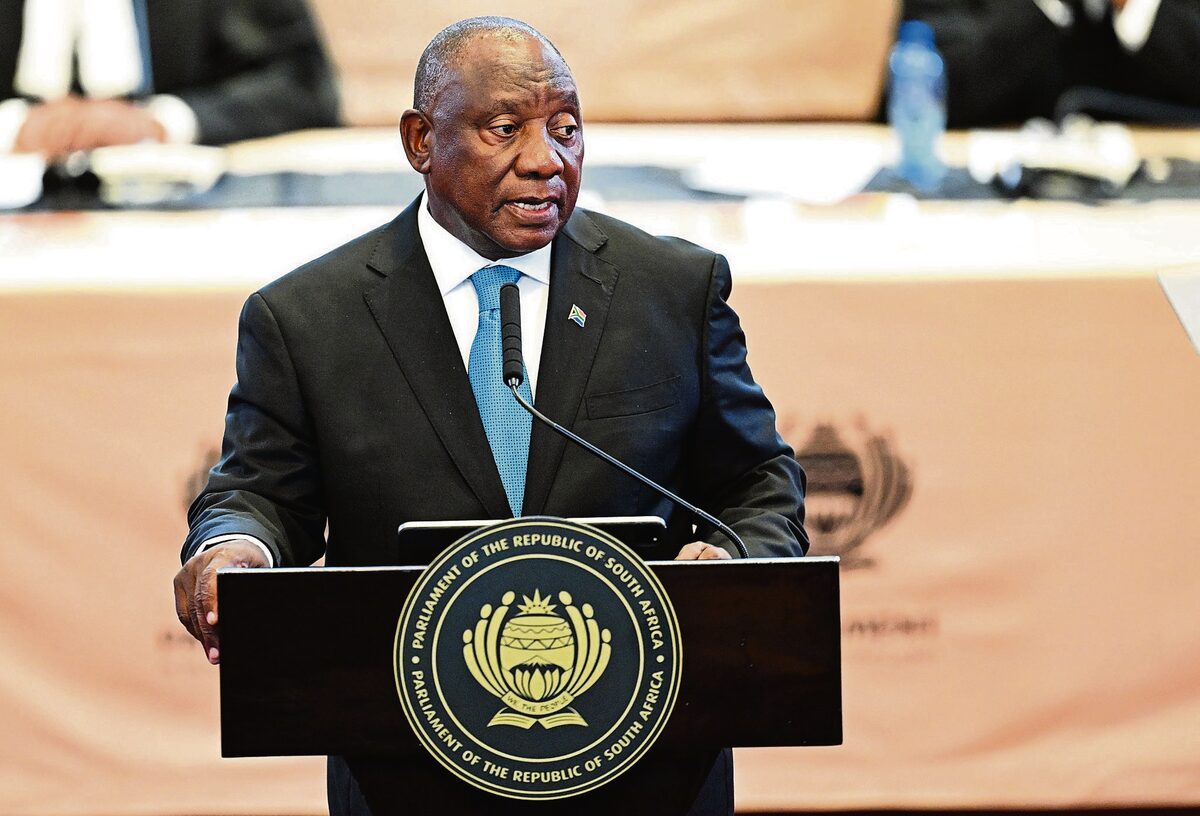
Ramaphosa made the remarks while attending an energy conference in Cape Town, where he addressed questions from local journalists about the escalating violence in the region. His comments were broadcast by Newzroom Afrika.
South Africa is “always ready to play a contributing role, either in mediation or whatever,” Ramaphosa said, emphasizing that any involvement would depend on a request from the relevant actors.
He underscored the urgency of halting hostilities, arguing that a ceasefire and sustained dialogue remain the most viable path toward resolving the crisis. “If the opportunity were to open, we would talk and say: there must be a ceasefire. Dialogue is always the best way of ending conflict and then ending the war,” he said during the exchange.
The president did not specify which governments or factions Pretoria might engage, nor did he indicate whether any preliminary diplomatic contacts had taken place. His remarks, however, place South Africa among a growing number of states expressing willingness to support de-escalation efforts as violence intensifies in parts of the Middle East.
Ramaphosa also pointed to the immediate impact of the unrest on South African nationals abroad. He said his administration is working to facilitate the return of citizens stranded in affected areas, though he did not provide figures on how many people are seeking assistance or detail the logistical steps underway.
The latest offer reflects South Africa’s longstanding diplomatic posture, which prioritizes negotiated settlements and multilateral engagement in global conflicts. Since the end of apartheid, Pretoria has frequently positioned itself as an advocate for peaceful resolution, drawing on its own transition from institutionalized racial segregation to constitutional democracy as a reference point in international forums.
The Middle East conflict has intensified in recent weeks following major military actions that have drawn global attention and renewed appeals for restraint. International organizations and several governments have urged immediate steps to prevent further civilian casualties and regional spillover.
South Africa’s willingness to mediate aligns with broader calls for non-aligned or Global South nations to assume a more visible diplomatic role in crises traditionally dominated by Western or regional powers. While Pretoria does not wield the same geopolitical influence as some major powers, it retains credibility among certain blocs due to its history of anti-colonial solidarity and participation in multilateral institutions such as the United Nations and the African Union.
Ramaphosa’s statement stopped short of committing to a formal initiative, making clear that South Africa would act only if invited. In diplomatic practice, mediation typically requires the consent of the primary belligerents, along with assurances of neutrality and security for facilitators.
South Africa’s offer comes at a delicate moment in international diplomacy. The Middle East crisis has deepened existing geopolitical divisions, with major powers backing different sides and regional actors pursuing strategic interests. In such an environment, smaller or mid-sized nations sometimes position themselves as neutral intermediaries capable of fostering dialogue.
Pretoria’s track record could bolster its credentials. South Africa has participated in peacebuilding missions across Africa and has often championed negotiated outcomes in conflicts from Burundi to South Sudan. However, mediation in the Middle East would present a far more complex challenge, involving entrenched rivalries, external alliances, and long-standing grievances.
There are also domestic considerations. Ramaphosa’s government faces economic pressures at home, including energy shortages and unemployment, issues that dominated the Cape Town conference where he made his remarks. Offering diplomatic engagement abroad may reinforce South Africa’s global standing but would require careful allocation of resources and political capital.
The reference to repatriating citizens underscores the tangible domestic dimension of foreign conflicts. Evacuation operations can test a government’s logistical capabilities and coordination with foreign counterparts. Successful repatriation efforts often carry political significance, demonstrating responsiveness to citizens in crisis.
If an invitation to mediate were to materialize, South Africa would need to balance its historical advocacy positions with a pragmatic approach acceptable to all sides. Mediation efforts can falter without clear mandates, sustained leverage, or broad international backing.
For now, Ramaphosa’s comments serve primarily as a diplomatic signal, a declaration of readiness rather than a formal proposal. Whether that signal translates into an active role will depend largely on the willingness of conflict parties to seek external facilitation and on the evolving trajectory of violence in the region.
As global leaders weigh responses to the escalating hostilities, South Africa’s stance reinforces a recurring theme in its foreign policy: that dialogue, however difficult, remains preferable to prolonged warfare.





