

A U.S. submarine torpedoed and sank an Iranian naval vessel in international waters south of Sri Lanka, leaving at least 87 sailors dead and widening the geographic scope of the intensifying conflict between Washington and Tehran, Sri Lankan authorities and U.S. officials said.
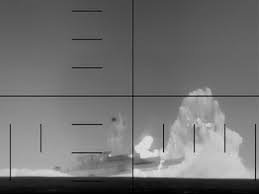
Sri Lanka’s deputy foreign minister identified the vessel as the Iranian frigate IRIS Dena, stating that the warship had been returning to Iran after visiting an eastern Indian port. The strike occurred hundreds of miles from the Persian Gulf, where U.S. and Israeli forces have been carrying out operations against Iranian targets and Tehran has responded with missile and drone attacks.
U.S. Defense Secretary Pete Hegseth confirmed the operation during remarks at the Pentagon, asserting that an American submarine had targeted the Iranian vessel while it was operating in what he described as international waters.
“An American submarine sank an Iranian warship that believed it was safe in international waters,” Hegseth said. “Instead, it was struck by a torpedo and went down.”
Hospital officials in Galle, a southern Sri Lankan port city, stated that military rescue teams transported 87 bodies to Karapitiya Teaching Hospital following an early morning distress call. Medical staff reported that an additional 32 survivors were admitted for treatment. Sri Lankan authorities indicated that approximately 60 individuals remained unaccounted for from an estimated crew of 180.
Sri Lanka’s navy initiated search-and-rescue operations after receiving the distress signal. Navy spokesperson Commander Buddhika Sampath told reporters that responding vessels encountered an oil slick at the scene.
“We located individuals floating in the water and brought them aboard,” Sampath said. “Subsequent inquiries confirmed they were crew members of the Iranian ship.”
Although the incident occurred outside Sri Lankan territorial waters, Sampath emphasized that Colombo had provided humanitarian assistance. Rescue teams later transported bodies covered in white sheets by truck to the Galle hospital morgue.
Two Sri Lankan sources with knowledge of the rescue operation told Reuters that the warship’s commanding officer and several senior officers survived the attack. According to those sources, the officers informed Sri Lankan authorities that the vessel had been struck by a submarine-launched torpedo.
The Pentagon released video footage it said depicted the strike. The recording shows a large explosion erupting from the rear section of a warship, lifting part of the vessel from the water before it begins sinking from the stern. The date of the recording and the specific vessel shown could not be independently verified. However, the ship’s deck configuration and mast structure appear consistent with file imagery of the IRIS Dena.
The frigate had recently participated in the “Milan” multilateral naval exercise hosted by India in the Bay of Bengal from Feb. 18 to 25, according to the exercise’s official website. The vessel was listed as “IRINS Dena,” an alternate prefix sometimes used for ships of the Iranian navy. IRIS, or Islamic Republic of Iran Ship, is the more commonly used designation.
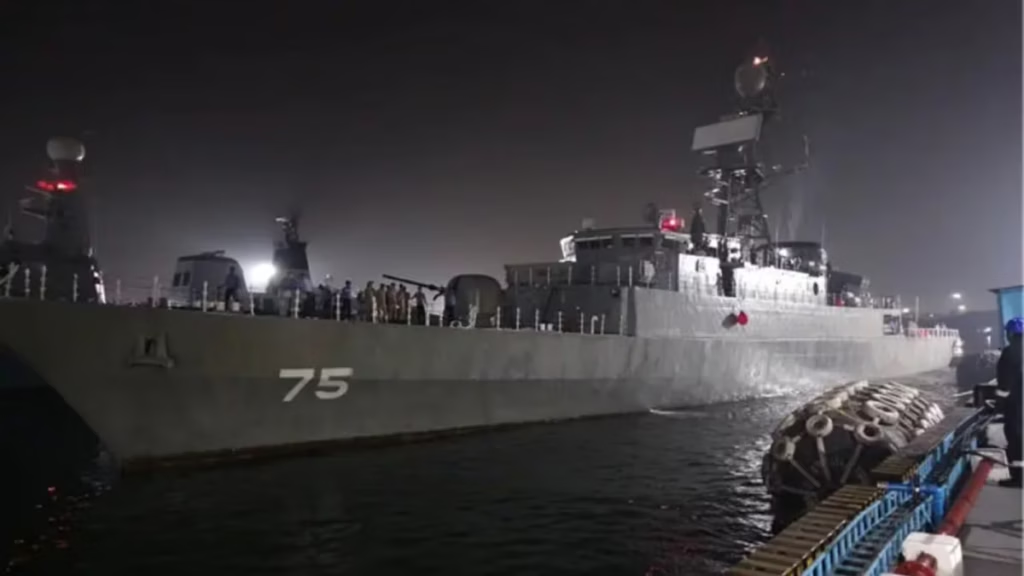
On Feb. 17, the Indian Navy’s Eastern Naval Command posted on X that it welcomed the IRIS Dena to Visakhapatnam, describing the visit as a reflection of longstanding ties between India and Iran. The post included photographs of the vessel and its officers. An Indian Navy spokesperson did not respond to requests for comment following news of the sinking.
The strike marks a notable expansion of hostilities into the Indian Ocean, far beyond the Gulf region that has traditionally been the focal point of U.S.-Iran naval tensions. Analysts say the geographic spread could complicate regional security calculations for countries such as India and Sri Lanka, both of which maintain strategic maritime interests and diplomatic ties with Washington and Tehran.
While U.S. officials framed the action as a military engagement against an adversarial naval asset, Tehran had not publicly commented at the time of publication. The incident raises questions about maritime security in major shipping lanes that carry significant portions of global energy and trade flows.
Regional observers note that naval operations in the Indian Ocean could heighten risks for commercial shipping and increase pressure on neutral states to clarify their positions. Sri Lanka’s swift rescue response underscores the challenges coastal nations face when major powers extend military operations into shared waterways.
The sinking of the IRIS Dena represents one of the deadliest naval incidents involving Iranian forces in recent years and signals a sharp escalation in the broader confrontation between the United States and Iran. Whether the incident prompts further retaliation or diplomatic intervention remains uncertain, but security experts warn that expanding the conflict zone increases the potential for miscalculation in already volatile waters.
Reuters





