

(AP/Reuters) — Russian President Vladimir Putin outlined proposals aimed at bringing a swift end to the war involving Iran during a phone conversation Monday with U.S. President Donald Trump, according to the Kremlin.
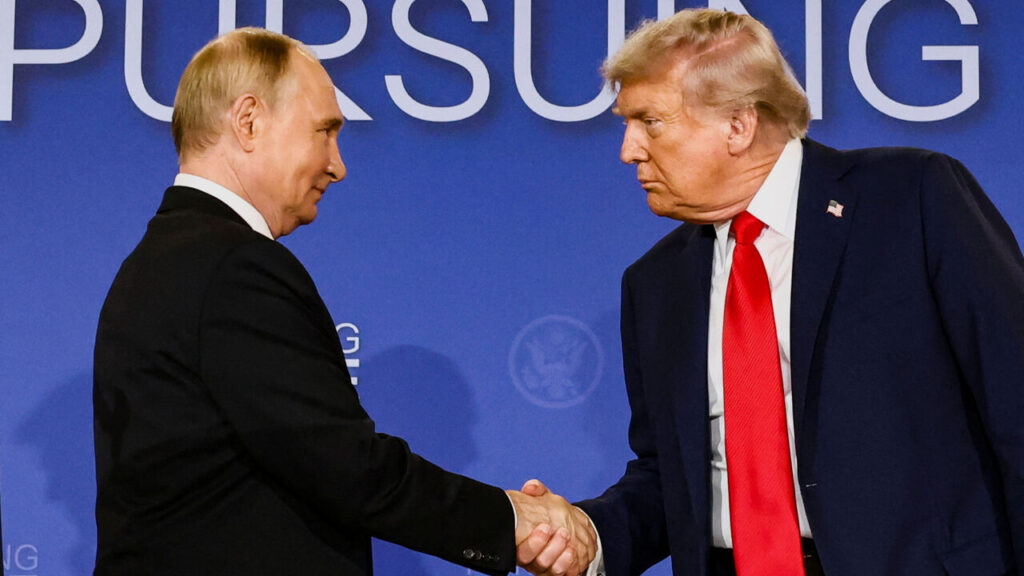
The discussion, which lasted roughly an hour, focused heavily on the escalating conflict in the Middle East while also touching on the war in Ukraine and developments in global energy markets.
Kremlin foreign policy adviser Yuri Ushakov characterized the exchange as “frank and businesslike,” adding that both leaders discussed possible diplomatic avenues to end the fighting.
During the call, Putin presented several ideas aimed at achieving what the Kremlin described as a rapid political settlement to the conflict involving Iran.
Ushakov told reporters that the Russian leader raised concepts for a diplomatic solution based on recent contacts with leaders across the Middle East.
Putin had been in communication with Gulf state leaders, the president of Iran, and officials from other countries regarding potential efforts to halt the fighting, Ushakov explained.
According to the Kremlin aide, the proposals are intended to encourage negotiations that could bring the war to an early conclusion.
Russia has repeatedly positioned itself as a potential mediator in Middle East conflicts, maintaining ties with Iran while also engaging with Western and regional powers.
Trump used the conversation to present Washington’s perspective on the unfolding conflict, particularly in relation to the ongoing U.S.–Israeli military campaign.
Ushakov said Trump offered his assessment of the evolving situation in the region and discussed the broader strategic context of the operation.
“Let me say that a very substantial and, without doubt, useful exchange of ideas took place,” Ushakov told journalists while summarizing the conversation.
The Kremlin official said both leaders explored potential diplomatic paths forward but did not announce any immediate agreement.
Beyond the Middle East crisis, the leaders also addressed the continuing war in Ukraine.
Ushakov said Putin highlighted recent battlefield developments, asserting that Russian forces have been making progress and suggesting that those gains could encourage Kyiv to pursue negotiations.
He indicated that Moscow believes the situation on the ground should prompt Ukrainian officials to engage more actively in peace discussions.
Trump, according to Ushakov, reiterated his interest in bringing the war to an end through a ceasefire and a broader long-term settlement.
The Kremlin aide described the conversation as “very substantial,” adding that it could have “practical significance for further work between the two countries.”
The two presidents also addressed the situation in Venezuela, linking the topic to current developments in global energy markets.
The issue has gained urgency as the war involving Iran has pushed oil prices sharply higher and raised fears of supply disruptions across the Middle East.
Energy markets have become increasingly volatile as attacks on infrastructure and shipping routes threaten key oil export routes such as the Strait of Hormuz.
Ushakov said Venezuela was discussed in that broader context, though he did not provide additional details about the leaders’ conversation.
The call comes at a moment of heightened geopolitical tension as the Iran war expands and draws in multiple countries across the region.
Several governments, including Russia and China, have signaled interest in encouraging negotiations aimed at preventing a wider regional war.
Iranian officials have also acknowledged contacts from several countries regarding potential ceasefire arrangements, although Tehran has insisted that any negotiations must first include an end to military attacks against its territory.
For Washington and Moscow, the call reflects continued communication between the two nuclear-armed powers during one of the most volatile international crises in years.
While no breakthrough emerged from the conversation, the call highlights the complex diplomatic landscape surrounding the Iran conflict.
Russia’s role in the crisis is particularly significant because of its close political and military ties with Tehran. Moscow has supplied military equipment and economic cooperation to Iran for years while also maintaining working relationships with Israel and Gulf states.
This unusual positioning could allow Russia to act as an intermediary if negotiations eventually begin.
At the same time, the conversation underscores the broader geopolitical stakes.
The war involving Iran has already triggered major disruptions in global energy markets, pushing oil prices sharply higher and raising concerns about economic instability.
That explains why issues such as Venezuela’s oil production and Middle Eastern shipping routes surfaced during the call.
From Washington’s perspective, maintaining communication with Moscow may help prevent the conflict from spiraling into a broader confrontation involving multiple great powers.
However, analysts note that Russia’s simultaneous involvement in the Ukraine war complicates its potential role as a mediator.
Putin’s emphasis on Russia’s battlefield progress in Ukraine during the conversation suggests that Moscow continues to link diplomatic discussions across different conflicts.
In effect, negotiations about Iran, Ukraine and global energy markets may increasingly overlap as world powers attempt to manage multiple crises simultaneously.
For now, the phone call appears to have been primarily exploratory, with both sides outlining positions rather than announcing specific agreements.
Still, continued communication between Washington and Moscow could prove important as the international community searches for ways to de-escalate the Iran war.
Diplomats say future talks — either between the United States and Russia or through broader international channels — could determine whether the conflict moves toward negotiations or deepens into a wider regional confrontation.
As the fighting continues and geopolitical tensions rise, the outcome of these diplomatic exchanges may play a crucial role in shaping the next phase of the crisis.





