

A gold mining site collapsed Tuesday in the western Central African Republic, killing at least 30 miners and leaving others believed trapped, authorities and residents said.
The collapse occurred at a low-tech, artisanal mining site in the Abba region of Nana-Mambere prefecture Tuesday morning, according to Florian Gaguende, one of the miners who survived. He said rescuers were continuing to search for additional miners believed trapped beneath the site, though he said the chance of finding any of them alive was diminishing.
Souleymane Bi, deputy mayor of the sub-prefecture, said rescuers and local residents worked over several hours to pull 30 bodies from the collapsed mine. He said injured miners were receiving treatment following the collapse.
What We Know So Far
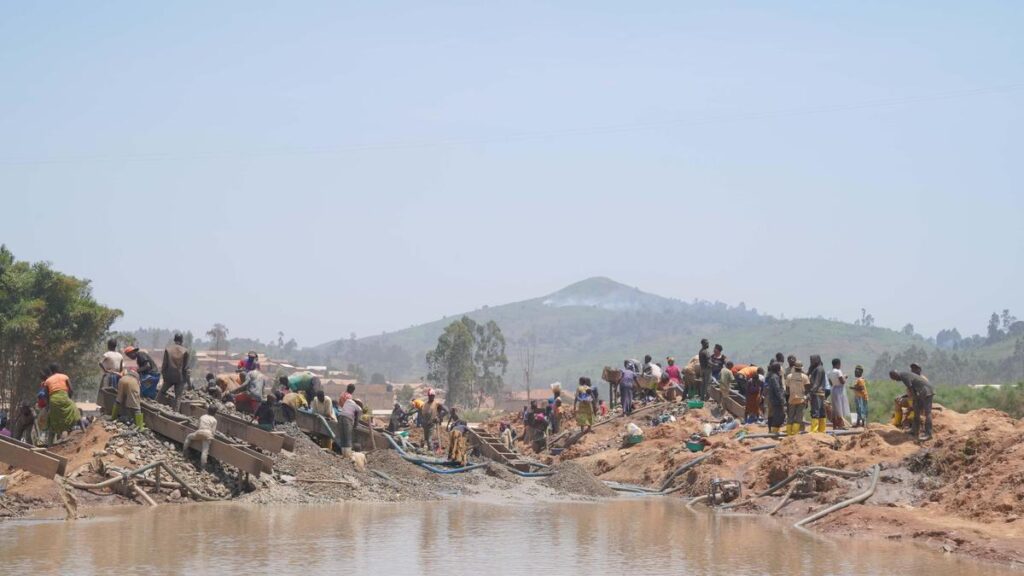
Footage from the scene showed chaotic rescue efforts, with miners, many of them young men and women covered in mud, pulling a body from the pit as dozens of other workers gathered around the expansive site, some shouting for help. The scale of the site and the number of people involved in the informal rescue effort reflected the scope of the mining operation at the time of the collapse.
Bi called for outside assistance to help complete the rescue effort. “It is horrible and we are calling for help from organizations and all people of good will to help pull from the hole those who are unable to do so,” Bi said.
Government spokesman Evariste Ngamana expressed sympathy for victims’ families and said authorities were working to provide relief and assistance to those affected by the collapse.
Why This Matters
Collapses at artisanal mining sites are a recurring hazard in the Central African Republic, where several thousand people work in small-scale extraction mining, often as one of few available sources of income in rural areas. The work carries significant risk because miners typically operate without adequate protective equipment or structural safety measures, making fatal accidents a persistent and largely unaddressed danger within the country’s informal mining sector.
The scale of Tuesday’s collapse, with at least 30 confirmed deaths and additional miners still unaccounted for, underscores how quickly these low-tech operations can turn catastrophic, particularly given the reliance on manual rescue efforts by fellow miners and residents rather than specialized emergency equipment. The site’s location in a relatively remote western prefecture is also likely to have complicated the speed and scale of any official emergency response, leaving much of the initial rescue work to those already on site when the collapse occurred.
What Happens Next
Rescue efforts are continuing at the site, though officials have acknowledged that the odds of finding additional survivors are diminishing as time passes. Authorities have not said how many miners remain unaccounted for or when the search is expected to conclude.
Given the government’s call for outside assistance, additional support from humanitarian organizations or regional authorities may be needed to complete recovery efforts at the site. The incident is likely to renew attention to the safety conditions surrounding artisanal mining in the Central African Republic, though previous fatal collapses in the sector have not historically led to significant regulatory change.
Reporting drawn from ETV Bharat and the Associated Press





