

Karim Benzema’s transfer across the Saudi Pro League divide has sent fresh shockwaves through the kingdom’s rapidly evolving football landscape, with the former Champions League winner completing a permanent move to Al-Hilal in a deal that threatens to further inflame tensions involving Cristiano Ronaldo and rival club Al-Nassr.
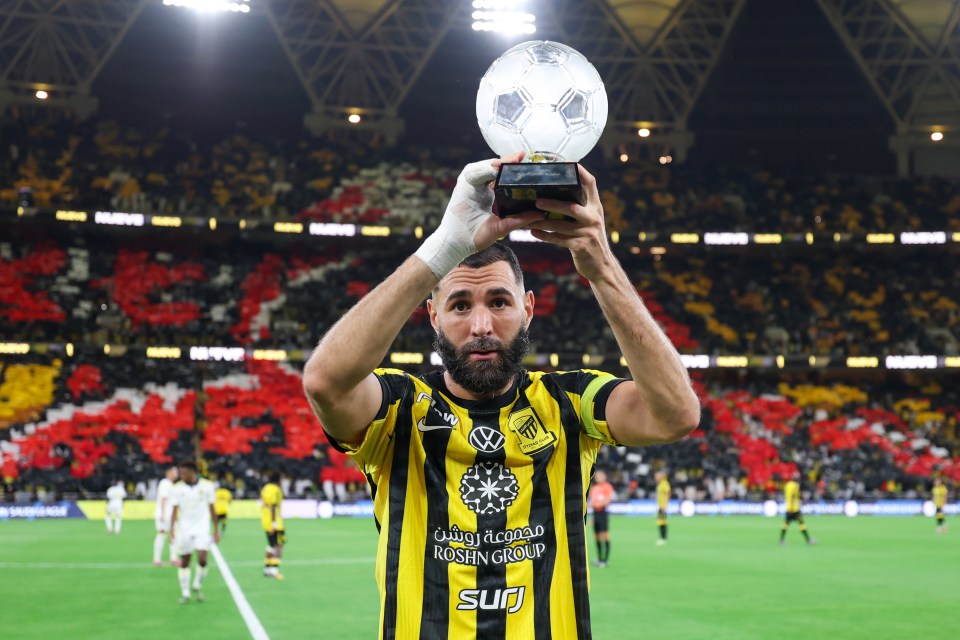
Al-Hilal confirmed the signing of Benzema, who arrives on a free transfer after ending his stint with Al-Ittihad. The French striker has agreed to a one-and-a-half-year contract with the Riyadh-based club, which currently sits atop the Saudi Pro League standings. The move reunites Benzema with the league’s most dominant side and places him directly in competition with longtime former Real Madrid teammate Ronaldo.
Benzema, 38, departs Al-Ittihad after a turbulent final stretch marked by internal disagreement and prolonged uncertainty. Local and European media coverage over recent weeks described a breakdown in relations between the striker and Al-Ittihad officials, centered on contractual terms and sporting direction. Benzema was left out of the matchday squad ahead of last week’s league fixture against Al Fateh and subsequently trained away from the first team, developments widely interpreted as signaling an imminent exit.
The transfer was initially delayed amid internal review involving Saudi Arabia’s Ministry of Sports and the Public Investment Fund, which holds a controlling interest in several top-flight clubs. Approval was granted before the close of the transfer window, allowing Al-Hilal to complete the deal without a transfer fee.
Benzema leaves Al-Ittihad having scored 54 goals in 83 appearances since joining from Real Madrid in 2023. His output helped reinforce the Saudi Pro League’s growing international profile, particularly during the league’s early wave of high-profile acquisitions from Europe’s elite competitions.
His arrival at Al-Hilal, however, carries broader implications beyond on-field production. The club is one of Al-Nassr’s fiercest domestic rivals and currently holds a narrow one-point advantage over Ronaldo’s side in the title race. The timing and scale of the move have fueled renewed debate over competitive balance in a league where multiple clubs operate under the same ownership structure.
Portuguese outlet A Bola has reported that Ronaldo is increasingly frustrated with what he views as uneven support from the Public Investment Fund, which owns 75 percent stakes in Al-Nassr, Al-Hilal, Al-Ittihad and Al-Ahli. According to A Bola, Ronaldo has expressed anger over what he perceives as preferential treatment toward rival clubs during the transfer window, particularly Al-Hilal’s ability to secure marquee reinforcements.
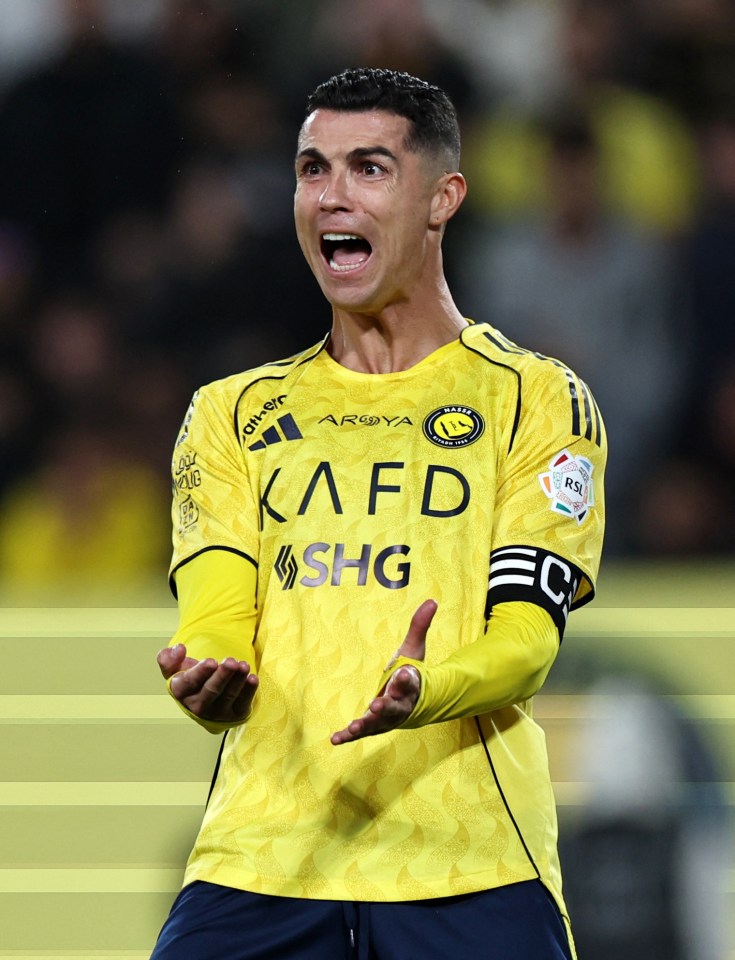
Ronaldo, now 40, has not featured in Al-Nassr’s most recent match amid ongoing discontent. The outlet says the forward has raised concerns internally about the lack of squad investment, noting that head coach Jorge Jesus received only one addition during the window — 21-year-old midfielder Haydeer Abdulkareem — despite requesting multiple reinforcements to sustain a title challenge.
Against that backdrop, Benzema’s move to Al-Hilal is likely to sharpen Ronaldo’s sense of grievance. The two players, who once formed a prolific partnership at Real Madrid, now find themselves on opposing sides of an increasingly competitive Saudi title race, with contrasting levels of institutional backing.
Al-Hilal’s recruitment of Benzema further underscores the club’s aggressive approach to squad building. Already stacked with international experience, the addition of a Ballon d’Or winner strengthens their position domestically and enhances their continental ambitions. For Al-Nassr, the contrast in transfer activity has become a focal point of internal and external scrutiny.
The Public Investment Fund has played a central role in reshaping Saudi football, underwriting blockbuster arrivals such as Benzema, Ronaldo, Riyad Mahrez and Kalidou Koulibaly over the past two seasons. The strategy has elevated the league’s global visibility, attracted broadcast interest and accelerated commercial growth. Yet it has also introduced governance challenges more commonly associated with Europe’s top leagues.
Analysts note that while PIF has maintained that each club operates independently, high-profile cases such as Benzema’s transfer risk reinforcing perceptions that sporting parity is unevenly enforced. Those perceptions can have tangible consequences, particularly among elite reminding players whose expectations extend beyond financial rewards.
From a sporting perspective, Benzema’s arrival gives Al-Hilal a proven finisher with extensive experience in high-pressure environments. From a structural standpoint, the move may act as a stress test for the league’s competitive credibility as it seeks long-term legitimacy on the world stage.
Ronaldo’s situation illustrates that tension. Since joining Al-Nassr in December 2022, he has remained one of the league’s most productive players and its most visible ambassador. His dissatisfaction, as outlined by A Bola, suggests that even unprecedented salaries and global exposure may not offset concerns about sporting ambition and institutional support.
The rivalry between Al-Hilal and Al-Nassr now extends beyond points on the table. It reflects a broader struggle over influence, resource allocation and identity within a league still defining its governance norms. Benzema’s move, while legal and approved, amplifies those underlying questions.
Whether Ronaldo’s discontent escalates or subsides may depend on how Al-Nassr respond in the coming months. For now, Benzema’s signing stands as a decisive statement of intent by Al-Hilal — and a development that is unlikely to go unnoticed inside Al-Nassr’s dressing room.
As the Saudi Pro League continues its rapid ascent, moments like this underline the complexity of balancing commercial growth with competitive integrity. With global attention fixed firmly on Riyadh, the decisions made now may shape not only the title race but the league’s long-term reputation.




