

MAROUA, Cameroon (BN24) — Cameroon’s President Paul Biya, the world’s oldest sitting head of state at 92, made his first campaign appearance Tuesday as he seeks an eighth term in office, addressing supporters at a packed stadium in the northern town of Maroua just days before the national election.
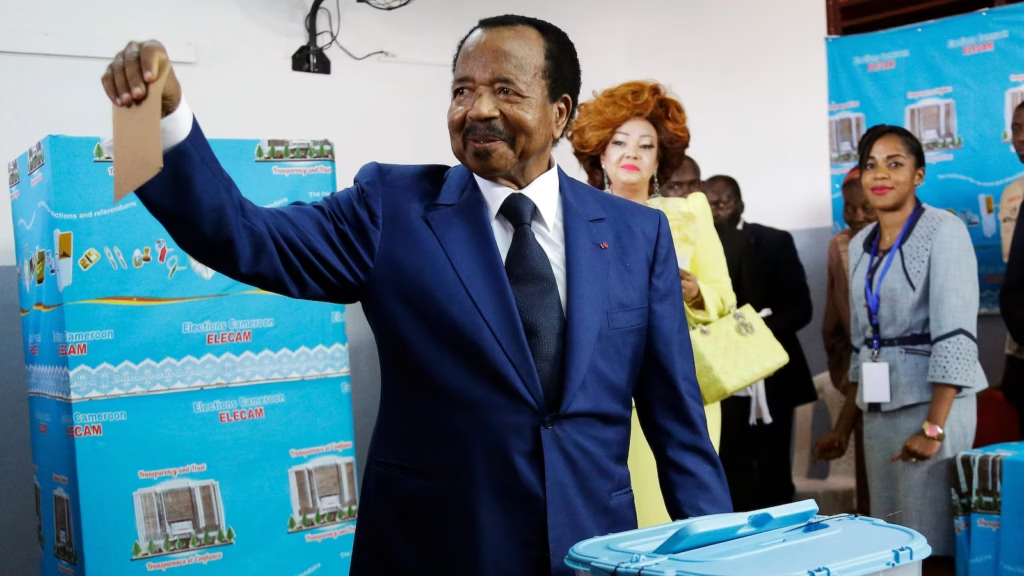
In a rare public outing, Biya pledged to reinforce security in the Far North region—an area long troubled by Boko Haram insurgency—while vowing to combat youth unemployment and improve local infrastructure. His appearance marked a significant moment in a campaign he has largely observed from the sidelines, raising fresh questions about his ability to lead the Central African nation actively.
“My goal, my fellow citizens, is for every young person, wherever they may be, to have opportunities that enable them to find a job or become an entrepreneur easily,” Biya told thousands gathered under the sun in Maroua, where voters have historically played a pivotal role in Cameroonian politics.
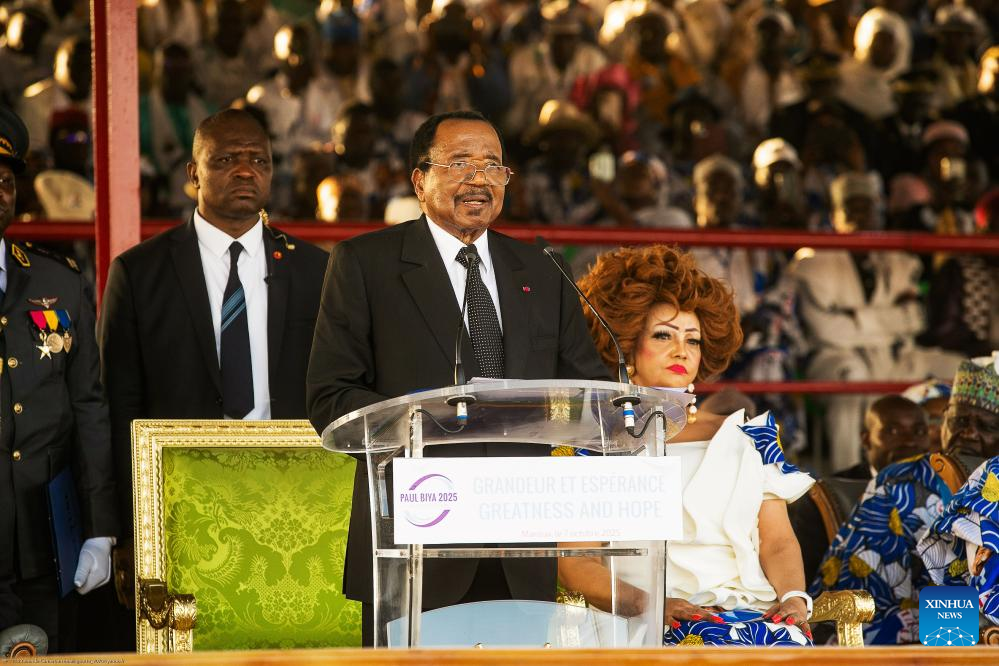
The Far North region, which is predominantly Muslim and among the country’s poorest, accounts for nearly 20% of the 8.2 million registered voters. It has been a target of deadly attacks and ransom kidnappings by Boko Haram fighters in recent years. Two prominent opposition candidates—Bello Bouba Maigari and Issa Tchiroma Bakary both hail from the region and hold strong local influence.
Biya’s rally came shortly after his return from an unannounced weeklong stay in Switzerland, with no official explanation provided. He has often travelled to Europe in recent years, reportedly for private stays and medical care, further fueling public debate over his health and fitness to govern.
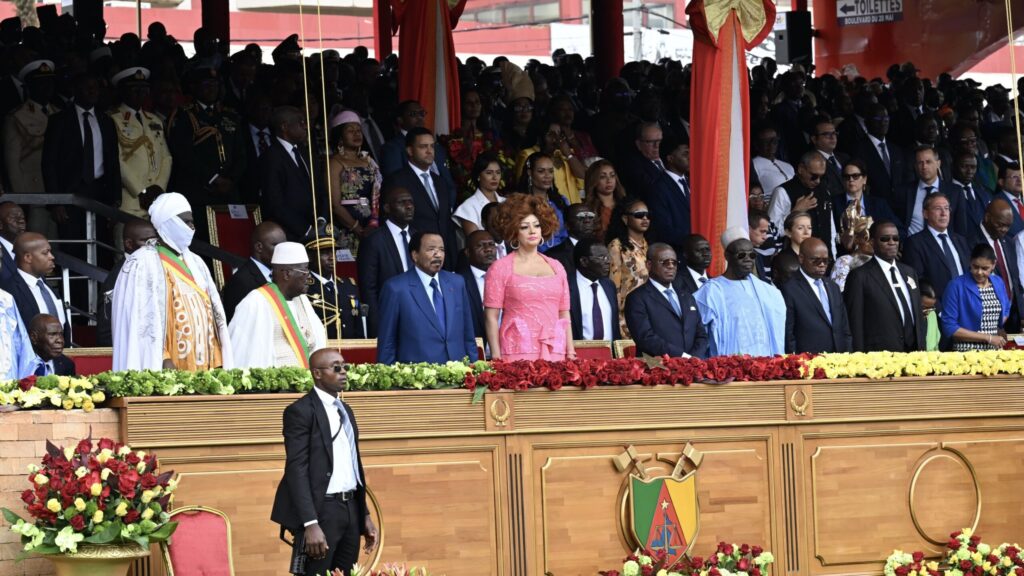
Despite mounting criticism over his prolonged tenure and physical frailty, Biya remains the dominant force in Cameroonian politics. His party, the Cameroon People’s Democratic Movement (CPDM), continues to command broad institutional control. Though challenges persistfrom a separatist conflict in the English-speaking west to systemic corruption, Biya’s grip on power remains firm.
His most prominent rival, Maurice Kamto, was disqualified from the race in August, weakening opposition unity and raising the likelihood of Biya’s re-election. Critics argue that the electoral playing field remains uneven, with officials overseeing the vote often accused of partiality due to past ties with Biya’s government.
Cameroon’s presidential term limits were abolished by parliament in 2008, allowing Biya to extend his rule well beyond the two-term cap. In office since 1982, he has led the nation through economic stagnation and sporadic unrest, despite its wealth in oil, minerals, and other natural resources. According to U.N. data, at least 43% of Cameroonians live in poverty based on key indicators such as income, education, and healthcare access.
The presidential vote is scheduled for Sunday, and although Biya’s public appearances are increasingly rare, his message on Tuesday made clear that he intends to remain at the helm of a country facing deep political, economic, and security challenges.





