

In a stark contrast of development and disparity, a remote Peruvian fishing village where one-third of residents lack running water is being transformed into a $1.3 billion deep-water port, marking China’s growing economic influence in South America.
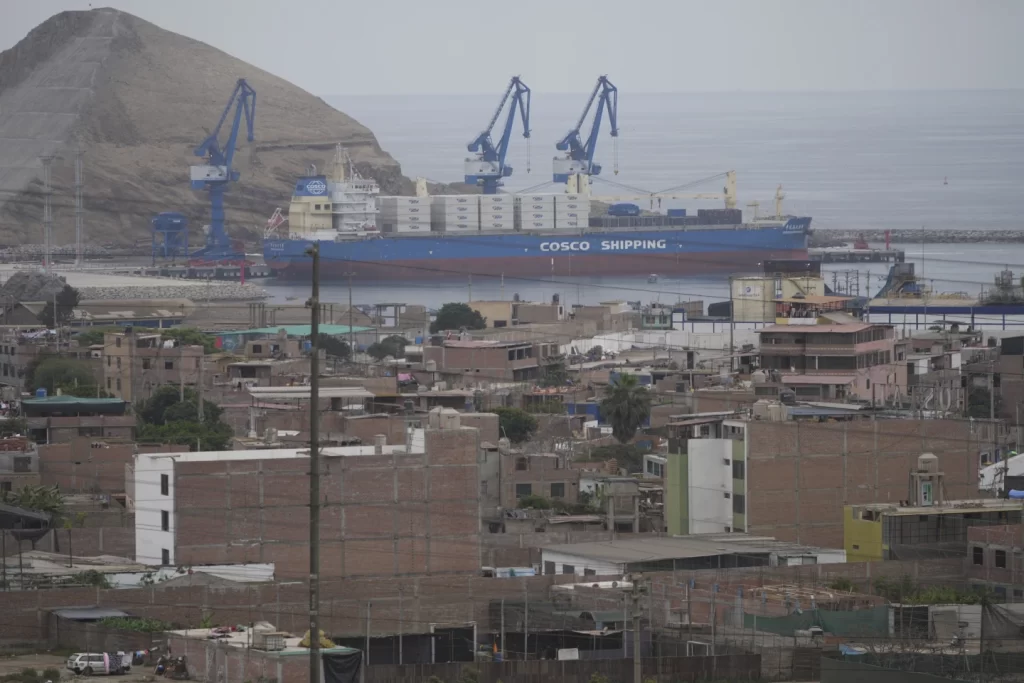
Chinese President Xi Jinping is set to inaugurate the Chancay megaport on Thursday during the Asia-Pacific Economic Cooperation forum, showcasing a project that has become both a symbol of international trade ambition and local discontent.
The development, majority-owned by Chinese shipping giant Cosco, envisions 15 quays and an industrial park expected to draw more than $3.5 billion in investment over the next decade. Yet in the shadows of the towering dockside cranes, local fishermen tell a different story.
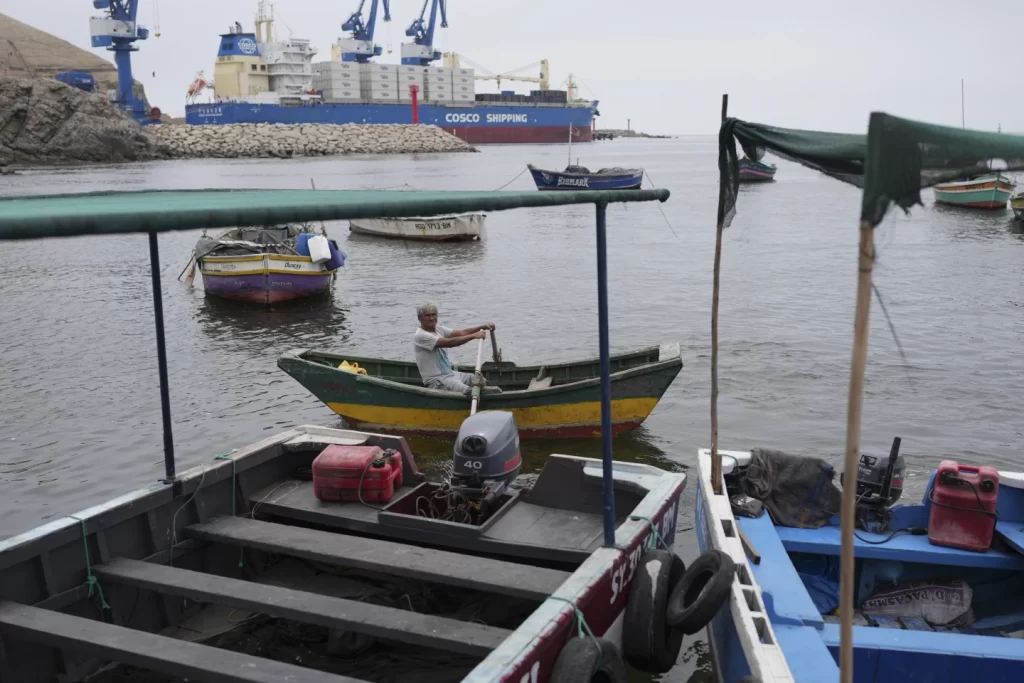
“Our fishing spots no longer exist here. They destroyed them,” said Julius Caesar, a 78-year-old fisherman who shares his name with the Roman emperor. “I don’t blame the Chinese for trying to mine this place for all it’s worth. I blame our government for not protecting us.”
Peruvian officials champion the port, located 60 kilometers north of Lima, as a future strategic hub for regional trade. The facility aims to expedite Pacific commerce for exports ranging from Peruvian blueberries to Brazilian soybeans and Chilean copper.
“We Peruvians are focused primarily on the well-being of Peruvians,” Foreign Minister Elmer Schialer told The Associated Press.
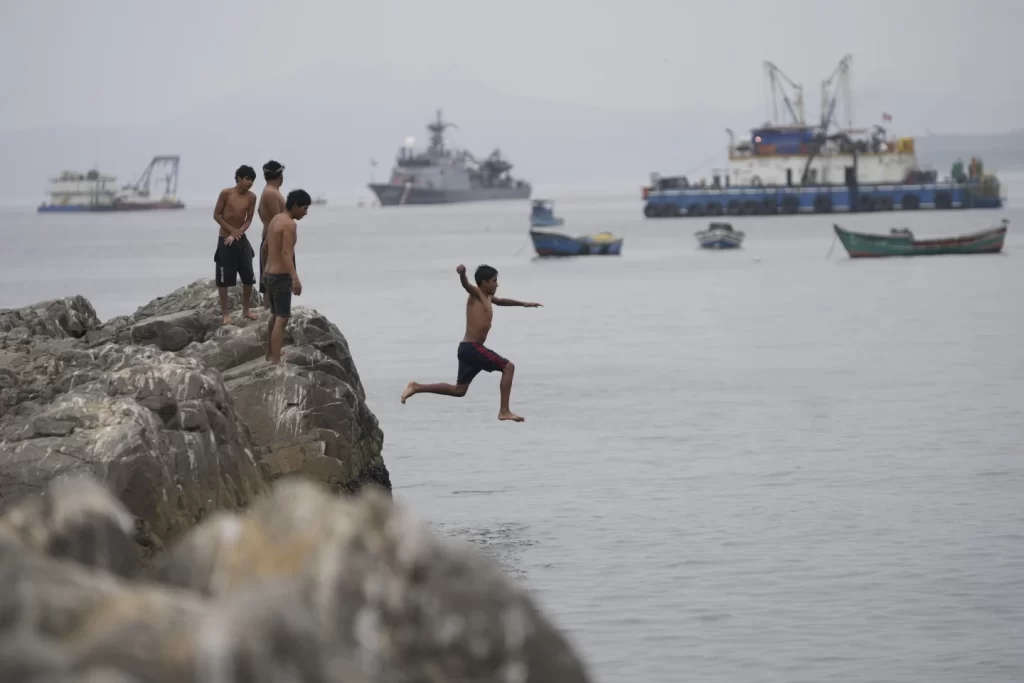
However, many among Chancay’s 60,000 residents remain skeptical. Fishermen report diminishing catches and claim the port’s dredging — which created a 17-meter-deep shipping channel — has destroyed fish breeding grounds.
Rafael Ávila, a 28-year-old fisherman, now struggles to make ends meet. “I’ve been out in the water all day and I’m always needing to venture farther,” he said, returning to shore empty-handed. He has resorted to offering tourist boat rides for glimpses of the Chinese vessels.
Environmental concerns loom large for residents, who fear pollution and potential oil spills once the port begins operating in January 2025. Their worries are fueled by memories of a 2022 incident at the nearby La Pampilla refinery that spilled thousands of barrels of crude oil into Peru’s waters.
The port’s impact extends beyond fishing. Changed ocean currents have eliminated surfing conditions, affecting local businesses from ice vendors to restaurateurs. “No to the megaport” graffiti reflects community sentiment.
“This port is a monster that’s come here to screw us,” said Rosa Collantes, 40, while cleaning fish on the shore. “People come to the port and they say ‘Wow, tremendous!’ but they don’t see the reality.”
Port authorities acknowledge the stark disparities between the modern facility and Chancay’s underdeveloped infrastructure. Mario de las Casas, a Cosco manager in Chancay, said the company has initiated studies to address local inequality.
“You cannot build a state-of-the-art port and have a city next to it that has no drinking water, no sewage, a collapsing hospital and no educational centers,” de las Casas said. “The port should not be a blemish.”
apnews.com




