

MEDELLIN, Colombia — At least 16 people perished and more than 20 sustained injuries after a tourist bus transporting schoolchildren plunged off a cliff into a ravine in northern Colombia on Sunday, transforming what should have been a joyful return from an educational Caribbean excursion into one of the nation’s deadliest transportation disasters in recent years.
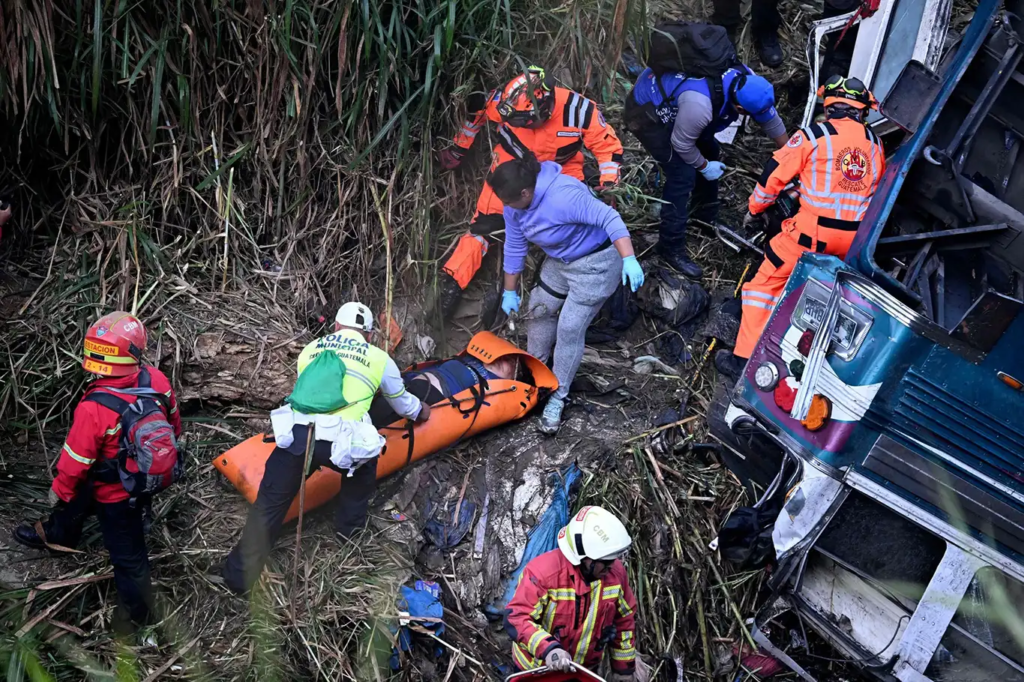
Reuters detailed that the governor of Antioquia, Andres Julian Rendon, disclosed via a post on X that the bus was traveling from the Caribbean coastal town of Tolu to Medellin following a school trip organized by Antioqueño High School. The vehicle was navigating the treacherous mountainous terrain when it lost control on the road leading to the municipality of Segovia, a route notorious for its dangerous curves and steep drop-offs.
The Colombian newspaper El Tiempo chronicled how the accident occurred in the department of Antioquia, with preliminary data suggesting the tourist bus was carrying between 35 and 45 people when it departed the roadway and plummeted into the cliff. The discrepancy in passenger counts reflects the chaotic nature of emergency response in remote mountainous areas where accurate accounting proves difficult amid urgent medical evacuations.
“Until now, there are more than 10 dead and 20 injured,” Rendon initially announced as rescue operations commenced and casualty figures remained fluid. “The whole hospital network is ready to attend and support this emergency,” he emphasized, mobilizing Colombia’s medical infrastructure to handle the surge of trauma patients arriving from the remote accident site.
As rescue operations progressed throughout the day, the grim reality of the tragedy’s scale became increasingly apparent. Ilkha.com documented that the death toll had climbed to at least 16 people killed with more than 20 injured, as emergency responders continued extracting victims from the wreckage scattered across the steep ravine where the bus came to rest after its violent descent.
“The entire hospital complex has been activated to provide assistance in this emergency situation,” Governor Rendon conveyed on social network X, formerly Twitter, coordinating governmental response across multiple medical facilities. The mobilization encompassed hospitals in the nearby municipalities of Segovia and Remedios, as well as larger trauma centers in Medellin equipped with specialized surgical capabilities for the most critically injured patients.
Rescue services were immediately dispatched to the scene following emergency calls from witnesses, and crews continued working through the wreckage well into Sunday evening. The recovery operation faced significant challenges due to the remote location, steep terrain, and the structural damage to the vehicle that made accessing trapped victims extraordinarily difficult even for experienced rescue professionals.
Dozens of injured individuals were urgently transported to medical facilities in Segovia and Remedios, straining the capacity of these smaller regional hospitals suddenly confronted with multiple trauma patients requiring immediate surgical intervention, blood transfusions, and intensive care monitoring. Medical helicopters shuttled the most severely injured to Medellin’s larger hospitals, where specialized trauma teams stood ready to receive them.
The accident highlights persistent safety challenges on Colombia’s mountainous roads, where buses frequently navigate narrow passages carved into steep hillsides without guardrails or other protective infrastructure. The routes connecting Colombia’s Caribbean coast to interior cities like Medellin traverse some of the nation’s most challenging terrain, where mechanical failures, driver error, or adverse weather conditions can produce catastrophic consequences.
School trips represent important educational experiences for Colombian students, many of whom have limited opportunities to travel beyond their immediate regions. The Antioqueño High School’s excursion to the Caribbean coastal town of Tolu would have provided students exposure to different ecosystems, cultures, and historical sites unavailable in their mountain homeland, making the tragedy particularly poignant as an enriching experience transformed into devastating loss.
The concentration of casualties among school-age children amplifies the tragedy’s impact on the Antioquia community, where multiple families simultaneously confront the loss of young lives that represented future promise. The grief extends beyond immediate family members to encompass classmates, teachers, and the broader educational community that rallies around Antioqueño High School during this period of mourning.
Investigators will likely examine multiple factors that may have contributed to the accident, including vehicle maintenance records, driver training and experience, road conditions at the accident location, weather circumstances at the time of the incident, speed, and whether the bus was operating within legal passenger capacity limits. The tourist bus designation suggests the vehicle may have been chartered specifically for the school group rather than operating as regular public transportation, raising questions about oversight and safety standards for such charter operations.
Colombia’s road safety record reflects broader infrastructure challenges facing the nation, where many rural routes remain unpaved or poorly maintained, lacking modern safety features like crash barriers, adequate warning signs, or proper lighting that could prevent vehicles from departing roadways. The mountainous geography that defines much of Colombia’s landscape creates inherently dangerous driving conditions that claim hundreds of lives annually in similar accidents.
Emergency response coordination between municipal, departmental, and national authorities demonstrated the mobilization capacity of Colombian governmental institutions when confronted with major disasters. The rapid deployment of medical resources from Medellin to the remote accident site reflects logistical planning and inter-agency cooperation essential for managing mass casualty incidents in challenging geographic environments.
For surviving students and chaperones, the psychological trauma of witnessing classmates’ deaths and experiencing their own near-death terror during the plunge into the ravine will require extensive counseling and mental health support. The long-term emotional scars from such traumatic events often manifest in post-traumatic stress disorder, survivor’s guilt, and anxiety that can persist for years without proper therapeutic intervention.
The ongoing rescue operations throughout Sunday faced multiple complications including the steep terrain where the bus came to rest, potential instability of the wreckage that could shift and endanger rescue workers, and the emotional toll on first responders who must navigate the distressing scene of young victims while maintaining professional focus on extraction and medical stabilization.
As families gathered at hospitals awaiting word about their children’s conditions, local officials worked to establish victim identification protocols and family notification procedures. The process of confirming identities and notifying next of kin proceeded carefully, as authorities sought to prevent the additional trauma of misinformation or premature announcements before proper verification could occur.
The accident investigation will unfold over coming weeks as Colombian transportation authorities work to reconstruct the precise sequence of events that led to the bus departing the roadway. Black box data if available, witness statements from survivors and bystanders, physical evidence from the crash site, and mechanical examination of the vehicle’s braking, steering, and other critical systems will all contribute to determining causation and potential liability.
Colombia has experienced numerous similar bus accidents on its dangerous mountain roads over recent decades, prompting periodic calls for enhanced safety regulations, improved road infrastructure, and stricter enforcement of vehicle maintenance standards. However, the economic costs of upgrading thousands of kilometers of rural mountain roads and the practical challenges of enforcing safety regulations across dispersed geographic areas have limited the effectiveness of reform efforts.
As Colombia mourns another transportation tragedy, questions will intensify about what additional safety measures might prevent similar disasters on the nation’s dangerous mountain roads where buses carrying precious cargo of children regularly traverse routes where mechanical failure or momentary inattention can result in catastrophic loss of life. The Antioqueño High School community faces the difficult task of honoring the memory of lost students and teachers while supporting survivors and grieving families through the long recovery process ahead.
ilkha/Reuters/Eltiempo




