

China (BN24) – The Dalai Lama will address a major three-day gathering of Buddhist religious leaders this week ahead of his 90th birthday, as his followers prepare for long-anticipated guidance about his succession—a moment that could inflame tensions with Beijing.
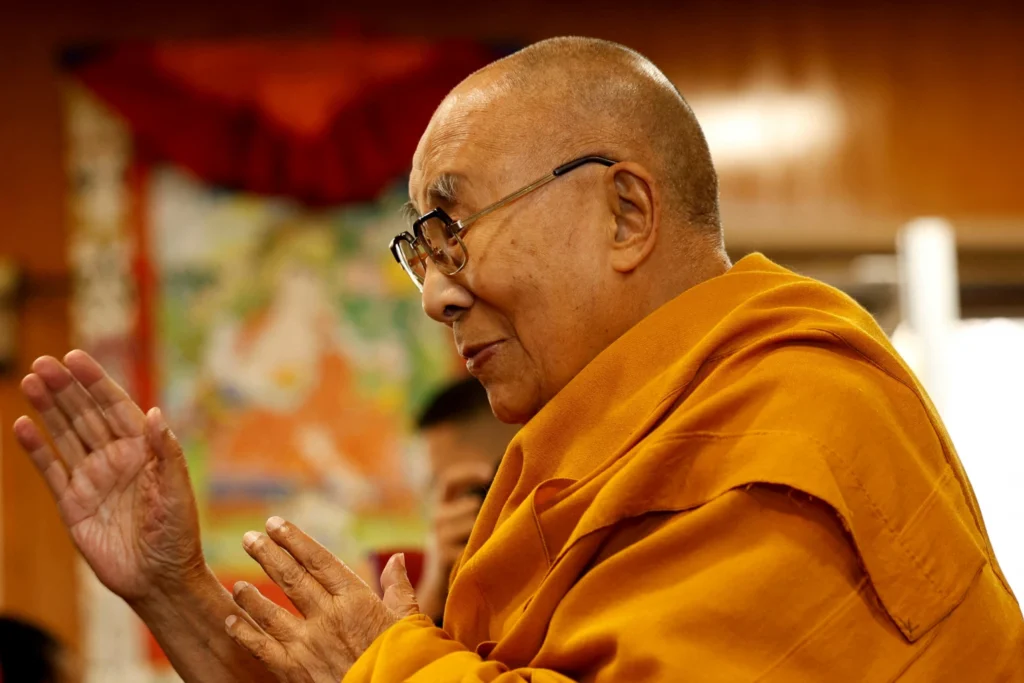
China has long branded the Dalai Lama, who fled Tibet in 1959 after a failed uprising, as a separatist. Officials in Beijing insist the Chinese government alone will choose his reincarnation. The Tibetan spiritual leader, however, has repeatedly countered that any successor anointed by China should be rejected and has signaled the next Dalai Lama could be born in exile, likely in India.
Tibetan Buddhists believe that enlightened monks reincarnate to continue their spiritual mission. The 14th Dalai Lama has said he will consult senior monks and share clues about where his reincarnation—a boy or girl—may be found after his death.
“The rest of my life I will dedicate for the benefit of others, as much as possible, as extensive as possible,” he told followers Monday as they offered prayers for his long life. “There will be some kind of a framework within which we can talk about the continuation of the institution of the Dalai Lamas,” he said, though he did not elaborate.
The Dalai Lama was identified as the reincarnation of his predecessor at the age of two and has previously indicated he may reincarnate in India, where he has lived in exile in Dharamshala since escaping Tibet.
Dolma Tsering Teykhang, deputy speaker of the Tibetan parliament-in-exile, underscored the stakes of the moment. “It is important for the world to hear directly from the Dalai Lama because China tries to vilify him at every chance,” she said, warning that Beijing is maneuvering to control the selection process. “China is trying to grab this institution for its political purpose.”
She added that the Tibetan people hope the next Dalai Lama will safeguard Tibet’s culture and faith while benefiting humanity as a whole.
Thupten Ngodup, Tibet’s chief state oracle, noted that traditionally, discussions of reincarnation do not occur while a Dalai Lama is alive, but said the circumstances were different now because of China’s interference.
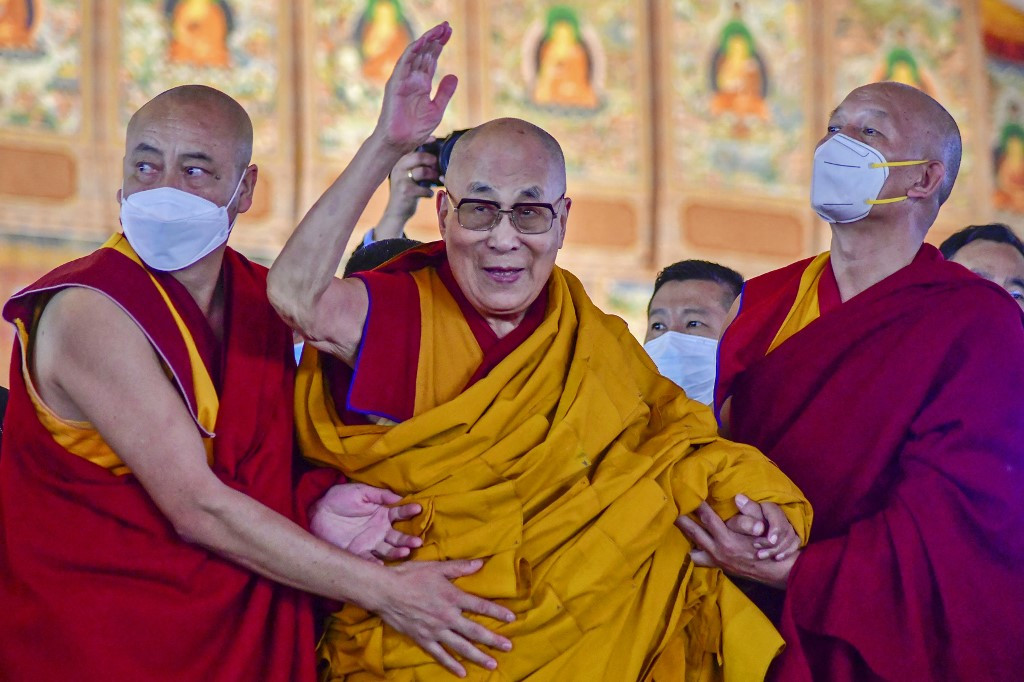
In March, Chinese officials reiterated that the Dalai Lama is merely a political exile with “no right to represent the Tibetan people,” and offered to hold talks about his future only if he accepted that Tibet and Taiwan are inalienable parts of China—terms the Tibetan government-in-exile has refused.
This week’s religious conference, the first of its kind since 2019, is expected to draw more than 100 Tibetan Buddhist leaders. A video address from the Dalai Lama will be featured, and actor Richard Gere, a longtime advocate for Tibetan autonomy, is among those slated to attend.
According to organizers, the Dalai Lama will join prayers convened by the government-in-exile on July 5 and will participate in birthday celebrations the next day, where he plans to speak for about half an hour. Indian Parliamentary Affairs Minister Kiren Rijiju and other officials are expected to be in attendance.
Tibetans have been especially mindful of the Dalai Lama’s health since he underwent knee surgery in the U.S. last year, though he has said he could live to be 110. The previous Dalai Lama died unexpectedly at 58.
The Gaden Phodrang Foundation, established by the Dalai Lama in 2015, will oversee the search and recognition of his reincarnation. The spiritual leader also prepared his people for the future by formally transferring political authority to a democratically elected government in 2011, ending the centuries-old tradition of combining temporal and spiritual leadership.
“Since he has come in the form of a human, we have to agree that there will be a moment when he is not with us,” Teykhang said. “His Holiness has really prepared us for that day—he made us act as if he’s not there.”




