

ABUJA, Nigeria (BN24) — The Economic Community of West African States (ECOWAS) has strongly condemned and rejected recent comments by former U.S. President Donald Trump alleging a “Christian genocide” in Nigeria, describing the claim as false, divisive, and dangerous to the peace and unity of the region.
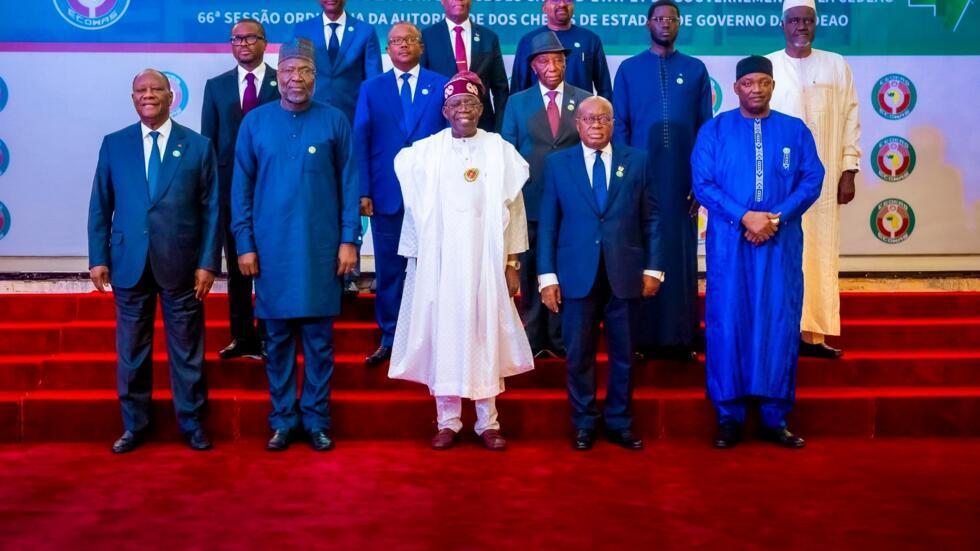
In a strongly worded communiqué issued Tuesday, ECOWAS said such remarks risk deepening mistrust among communities and emboldening extremist groups operating in parts of West Africa. The bloc accused those spreading the claims of attempting to “sow division, fuel insecurity, and undermine social harmony” within member states.
The regional body emphasized that violent extremist networks in the region target victims indiscriminately, regardless of religion, ethnicity, or gender. “Extremist networks have indiscriminately targeted people of diverse faiths Muslims, Christians, and followers of traditional religions,” ECOWAS stated. “As independent reports have confirmed over the years, terrorist-related violence does not discriminate based on religion, gender, or ethnicity.”
The communiqué added that there is no evidence to support allegations of a coordinated campaign or genocide against Christians in Nigeria or elsewhere in West Africa. Instead, the violence, ECOWAS said, stems from terrorism, banditry, and political instability, all of which transcend religious lines.
ECOWAS called on the United Nations, international partners, and foreign governments to reject what it described as “false and dangerous narratives” and to work collaboratively with African nations in addressing the root causes of insecurity. “The bloc urges the UN and all global partners to treat as false any claims that these terrorist groups target one faith or that a genocide against a religious group is taking place in the region,” the statement read.
The organization further appealed for sustained international cooperation in combating violent extremism, urging partners to support West African-led initiatives that promote peace, development, and resilience in affected communities.
The ECOWAS statement comes after Trump, in a recent media interview, claimed that Christians in Nigeria were being systematically targeted and killed, warning that the United States might consider military intervention or suspend aid to the country. The remarks triggered widespread concern across the subregion, with leaders warning that such rhetoric could inflame tensions in already volatile areas.
Regional analysts say the ECOWAS response reflects growing frustration among African governments over what they view as oversimplified or misleading portrayals of complex conflicts in the region. They argue that while religious identities are often exploited by insurgent groups, the underlying issues are rooted in poverty, weak governance, and competition over resources.
ECOWAS reaffirmed its commitment to promoting peace, stability, and interfaith harmony in West Africa, stressing that unity and collaboration remain central to defeating terrorism and safeguarding the region’s progress. “We strongly reject these false and dangerous claims that seek to deepen insecurity in communities and weaken social cohesion,” the communiqué concluded.





 has rejected Donald Trump’s claims of a Christian genocide in Nigeria, warning that the remarks are false, divisive, and threaten regional security and unity across West Africa.)