

WILMINGTON, Del. — Elon Musk’s 2018 pay package from Tesla, originally valued at $56 billion, was restored Friday by the Delaware Supreme Court, overturning a lower court ruling that had struck down the compensation deal as “unfathomable” and sparked a fierce backlash that threatened Delaware’s status as America’s premier corporate legal jurisdiction.
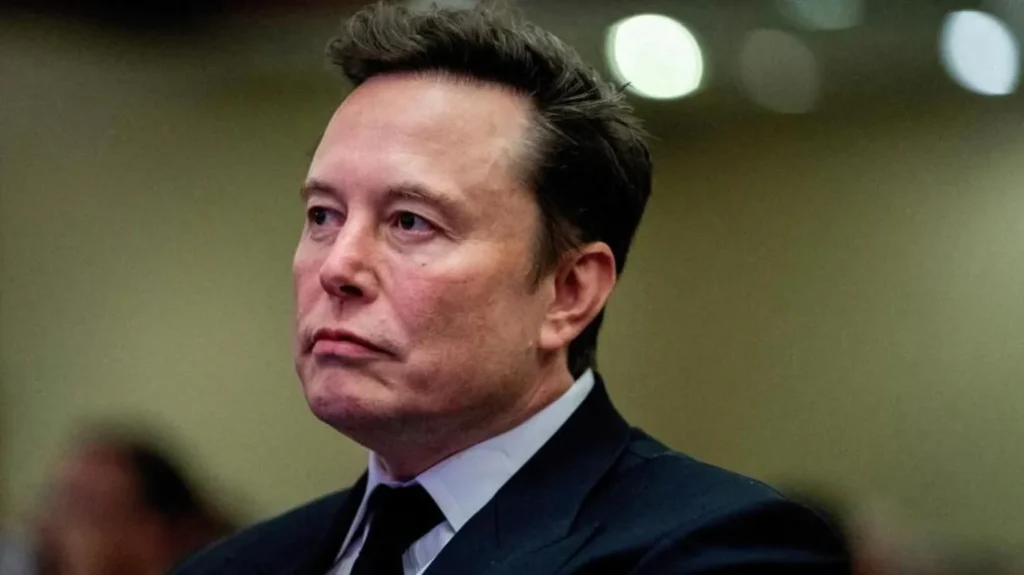
The five-judge panel said in a 49-page ruling that rescission was “an improper remedy” and that a judge’s cancellation of the pay package in 2024 had been “inequitable.” The remedy of total rescission “leaves Musk uncompensated for his time and efforts over a period of six years,” the court said.
Tesla did not immediately respond to a request for comment. Musk posted on X that he was “vindicated.”
The pay package represented by far the largest executive compensation plan ever approved until Tesla shareholders voted for an even larger deal in November. The ruling means Musk can finally receive payment for his work since 2018, when he transformed Tesla from a struggling startup into one of the world’s most valuable companies.
If Tesla’s appeal had failed, the company could have faced a $26 billion profit hit over two years to account for a replacement stock-compensation package it had promised Musk at today’s substantially higher stock price.
The 2018 compensation deal provided Musk with options to acquire approximately 304 million Tesla shares at deeply discounted prices if the company achieved various milestones, which it did. Tesla estimated in 2018 that the plan was potentially worth $56 billion, though it is now valued at about $155 billion due to continued increases in the electric vehicle maker’s stock price. The options represent around 9 percent of Tesla’s outstanding stock.
Musk never collected his stock options because shortly after shareholders approved the 2018 compensation, the board was sued by Richard Tornetta, an investor holding just nine Tesla shares.
In 2024, following a five-day trial, Delaware Judge Kathaleen McCormick concluded that Tesla’s directors were conflicted and key facts were concealed from shareholders when they voted to approve the plan. She ordered the 2018 plan rescinded.
Musk accused Delaware judges of being activists hostile to technology founders and urged businesses to follow Tesla in reincorporating elsewhere. Dropbox, Roblox, Trade Desk, and Coinbase were among a handful of large companies that relocated their legal domiciles to Nevada or Texas. However, Delaware remains by far the most popular legal home for U.S. public companies.
Tesla’s board warned that Musk, the world’s richest person who also leads the SpaceX rocket venture and artificial intelligence startup xAI, could leave the electric car company if he did not receive the compensation he wanted and an increase in his voting power.
In November, shareholders approved a new pay package that could be worth $878 billion if Tesla meets targets for self-driving vehicles, a robotaxi network, and sales of humanoid robots.
Tesla has taken steps to reduce the risk that shareholders could tie up the 2025 package in courts. The Austin-based company is now incorporated in Texas, which allows Tesla to require that any investor or group of investors must own 3 percent of company stock before suing for alleged corporate law violations. A stake of that size would be worth around $30 billion, and Musk is the only individual with that much stock.
The ruling represents a dramatic vindication for Musk and a significant setback for shareholder advocates who had successfully challenged the compensation plan as excessive and improperly approved. The case had become a flashpoint in debates about executive compensation, corporate governance, and Delaware’s role as the nation’s dominant corporate law jurisdiction.
McCormick’s 2024 decision striking down the pay package had sent shockwaves through corporate America. Her ruling suggested that even compensation plans approved by shareholders could be invalidated if directors failed to disclose material conflicts of interest or if the negotiating process was flawed. The decision raised concerns among companies and executives about the stability of approved compensation agreements.
The Delaware Supreme Court’s reversal provides clarity that rescission—completely unwinding a deal—represents an extreme remedy that may not be appropriate even when procedural defects exist in approval processes. The court’s emphasis on Musk remaining “uncompensated for six years” of work transforming Tesla suggests judges weighed the practical consequences of rescission against the procedural violations McCormick identified.
The $155 billion current value represents nearly triple the $56 billion initial estimate, reflecting Tesla’s extraordinary stock price appreciation since 2018. That appreciation occurred precisely because Musk achieved the ambitious targets the compensation plan established, creating a paradox where his success in meeting goals made the reward appear even more excessive to critics.
Tornetta’s lawsuit, filed by an investor with just nine shares, illustrates how Delaware law allows minority shareholders to challenge corporate actions on behalf of all stockholders. This derivative lawsuit mechanism provides checks on management and boards but also enables small investors to second-guess decisions approved by overwhelming shareholder majorities.
The case highlighted tensions inherent in Musk’s dual role as both CEO and Tesla’s largest individual shareholder. Directors approving compensation for someone who controlled roughly 20 percent of company stock and served as public face of the brand faced inherent conflicts between their fiduciary duties to all shareholders and the practical reality that alienating Musk could devastate company value.
Musk’s public attacks on Delaware following McCormick’s ruling represented an unprecedented assault on the state’s judiciary from one of the world’s most prominent businessmen. His characterization of Delaware judges as “activists” hostile to founders challenged the state’s carefully cultivated reputation for expertise and fairness in corporate law matters.
The handful of companies following Tesla’s reincorporation to Texas or Nevada represents a tiny fraction of the thousands of corporations domiciled in Delaware, suggesting Musk’s campaign had limited practical impact. However, the controversy forced Delaware to defend its corporate law system in ways it rarely has needed to, potentially planting seeds of doubt about whether the state’s courts favor shareholders over management.
The November approval of an even larger $878 billion potential pay package demonstrates Tesla shareholders’ continued willingness to offer Musk extraordinary compensation tied to ambitious goals. The new plan’s astronomical potential value—nearly six times the restored 2018 package—reflects Musk’s successful framing that his leadership is irreplaceable and that failing to provide proper incentives risks his departure.
Tesla’s Texas reincorporation and the new 3 percent ownership threshold for shareholder lawsuits represent explicit efforts to prevent repeat litigation over the 2025 compensation plan. Requiring $30 billion in stock ownership to sue creates a virtually insurmountable barrier for individual shareholders, ensuring only Musk himself or major institutional investors could challenge corporate actions in court.
This barrier to litigation raises governance concerns about whether management becomes effectively insulated from shareholder accountability when only the CEO and largest institutions can sue. Corporate law traditionally balanced management authority against shareholder rights to challenge self-dealing or conflicts of interest. Texas law allowing such high ownership thresholds shifts that balance dramatically toward management.
As Musk prepares to finally collect stock options earned over six years, the case’s broader implications for executive compensation and corporate governance will continue reverberating. The ruling suggests that once shareholders approve compensation plans, courts will hesitate to unwind them completely even when procedural defects exist, potentially emboldening boards to pursue aggressive executive pay packages knowing that rescission represents an unlikely remedy.




