

LOS ANGELES — Afrobeat pioneer Fela Anikulapo-Kuti made history Saturday as the first African artist to receive a Lifetime Achievement Award from the Recording Academy, earning posthumous recognition nearly three decades after his death for revolutionary contributions that transformed global music and established African sounds as fundamental forces in contemporary culture.

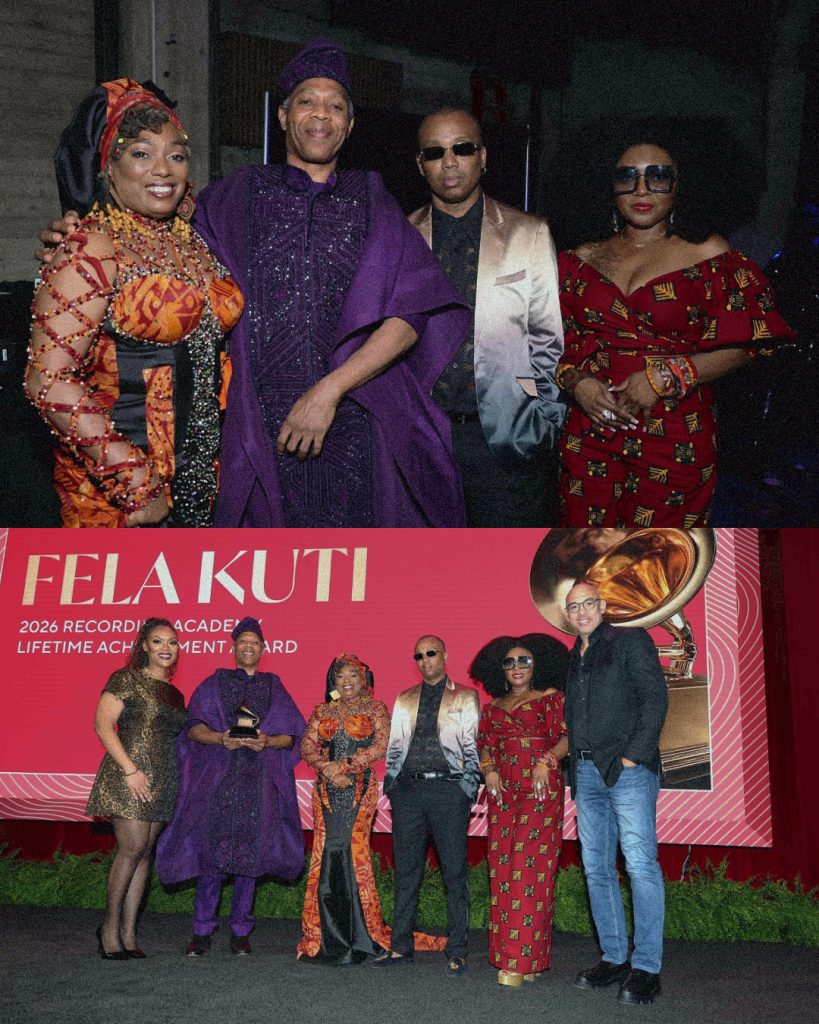
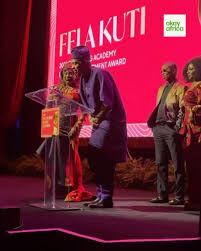
The late Nigerian music icon was honored at the 2026 Special Merit Awards ceremony held in Los Angeles on January 31, the evening before the main Grammy Awards presentation. His children Yeni, Kunle, Shalewa and Femi Kuti accepted the prestigious recognition on behalf of their father, who died in 1997 at age 58.
Yeni Kuti expressed profound gratitude during her acceptance remarks, conveying certainty that their father “would be smiling down on us” as she acknowledged the Recording Academy’s historic decision. She recognized siblings Motunrayo and Seun who were unable to attend, and praised nephew Made Kuti for advancing Afrobeat to unprecedented heights in the current generation.
“I’m sure my father is smiling down on us. I want to acknowledge my siblings who couldn’t be here tonight, Motunrayo and Seun, and my nephew who is carrying Afrobeat to another level, Made,” Yeni stated during the ceremony, her voice carrying the weight of familial pride and recognition of a legacy extending across three generations.
Femi Kuti, himself a Grammy-nominated artist who has carried forward his father’s musical and activist traditions, delivered remarks emphasizing the award’s significance extending far beyond individual recognition. He thanked everyone who continues promoting Afrobeat globally, including disc jockeys, media members, their label Partisan, legal representatives and fans worldwide.
“I would like to thank all the people carrying Afrobeat that are in this place tonight. DJs, the press, our label Partisan, our lawyers, fans all over the world. Thank you for bringing our father here, it’s so important for Africa. It’s so important for world peace and struggle,” Femi declared, framing the honor within his father’s lifelong commitment to social justice and African liberation.
This contextualization reflects understanding that Fela’s significance transcends musical innovation, encompassing his role as fearless political activist who weaponized art against authoritarianism and championed Pan-African consciousness during Nigeria’s turbulent post-independence decades.
Fela received the Lifetime Achievement Award alongside other global music icons including Whitney Houston, Chaka Khan, Cher and Paul Simon, placing him within the pantheon of artists whose work fundamentally shaped modern music across genres and generations. Additional 2026 Special Merit Award recipients include songwriter Bernie Taupin, music executive Sylvia Rhone, composer and sound synthesis pioneer John Chowning, Latin jazz musician Eddie Palmieri and guitarist Carlos Santana.
The Recording Academy described Fela in its Instagram announcement as “an architect of Afrobeat, honoured for a lifetime of influence,” designating him as the only Nigerian recipient in the 2026 edition. This singular recognition underscores both his exceptional contributions and the broader underrepresentation of African artists in Grammy honors historically.
The Lifetime Achievement Award represents one of the Recording Academy’s highest distinctions, reserved for artists who have made outstanding creative contributions of artistic significance to the recording field. Past recipients constitute a musical elite whose work has left indelible imprints on culture extending far beyond commercial success, including figures like Bob Marley, Nina Simone, Aretha Franklin and Miles Davis.
Fela’s inclusion in this company validates what musicians, scholars and activists have long understood: that his innovations fundamentally altered global music’s trajectory and established artistic frameworks that continue generating new expressions decades after his death.
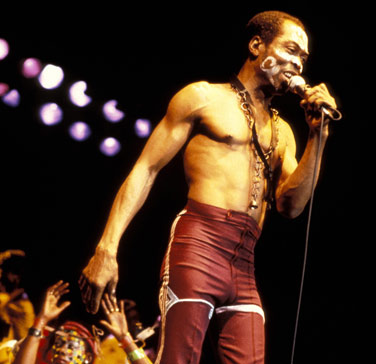
Born in 1938 in Abeokuta, Nigeria, Fela Anikulapo-Kuti emerged as musician, producer, arranger, bandleader and outspoken political activist whose confrontational approach to authority made him both beloved icon and frequent target of governmental repression. During the 1960s, he created Afrobeat—a genre fusing elements of funk, jazz, salsa, calypso and traditional Nigerian rhythms into a distinctive sound that became vehicle for revolutionary political commentary.
Beyond sonic innovation, Afrobeat became Fela’s weapon against military dictatorship, corruption and social injustice plaguing Nigeria throughout his lifetime. His compositions delivered scathing critiques of governmental malfeasance, colonial mentality and exploitation of African peoples, transforming musical performances into acts of political resistance that attracted both massive popular followings and brutal state violence.
Nigerian military regimes responded to Fela’s activism with hundreds of arrests, beatings and the infamous 1977 raid on his Kalakuta Republic commune that resulted in severe injuries to Fela, the death of his mother thrown from a window, and destruction of his home and recording studio. These experiences only intensified his commitment to using music as instrument of liberation and consciousness-raising.
The Recording Academy emphasized that Fela’s influence has spanned generations, shaping modern Nigerian Afrobeats—the contemporary commercial genre distinct from but descended from his Afrobeat—and inspiring global artists including Beyoncé, Paul McCartney and Thom Yorke. This international impact demonstrates how sounds rooted in specific African political and cultural contexts achieved universal resonance through their artistic power and thematic relevance to struggles against oppression worldwide.
While Afrobeat began as countercultural movement challenging both Western cultural dominance and African governmental corruption, its impact has spread globally, forming foundational elements for numerous contemporary African and international sounds. Artists across continents acknowledge Fela’s influence on their work, from hip-hop producers sampling his polyrhythmic structures to jazz musicians incorporating his extended improvisational approaches.
Although Fela never received Grammy recognition during his lifetime—a omission that reflected both his outsider status relative to Western music industry commercial structures and the Academy’s historical Eurocentrism—his posthumous honor underscores enduring relevance and undeniable global impact. The 29-year delay between his death and this recognition raises questions about institutional barriers that prevented earlier acknowledgment while simultaneously demonstrating that genuine artistic significance ultimately transcends temporary neglect.
Fela’s legacy continues not only through his extensive recorded catalog spanning dozens of albums and countless live performances, but also through family members who have sustained his musical and activist traditions. Sons Femi and Seun Kuti have built successful international careers as Afrobeat performers and political commentators, while grandson Made Kuti represents the third generation advancing the sound into new territories.
Cultural institutions established in Fela’s honor perpetuate his vision beyond musical performance. The Kalakuta Museum in Lagos preserves artifacts, recordings and historical materials documenting his life and work, providing educational resources for scholars and fans seeking deeper understanding of his contributions. The New Afrika Shrine, now operated by his children, functions as major center for music, activism and cultural expression, attracting audiences from across Nigeria and internationally.
The Shrine stands as living embodiment of Fela’s philosophy that art serves purposes beyond entertainment, functioning as space for resistance, identity formation and African self-expression. Weekly performances maintain connections between Afrobeat’s revolutionary origins and contemporary expressions, while the venue hosts political discussions, cultural celebrations and community gatherings that honor Fela’s commitment to popular mobilization.
The facility’s continued vibrancy nearly three decades after Fela’s death demonstrates that his vision resonated beyond individual charisma, establishing sustainable institutional frameworks for ongoing cultural and political work. For many Nigerians and international visitors, the Shrine represents pilgrimage destination where Fela’s spirit remains palpably present through music, energy and unapologetic celebration of African identity.
The Grammy recognition arrives as Afrobeats—the contemporary commercial genre inspired by but distinct from Fela’s Afrobeat—achieves unprecedented global commercial success. Artists like Burna Boy, Wizkid and Davido dominate international charts and collaborate with major Western stars, representing the fruition of possibilities Fela pioneered when he insisted that African music deserved global platforms and could compete artistically with any tradition.
However, crucial distinctions exist between Fela’s politically conscious, structurally complex Afrobeat and much contemporary Afrobeats focused on romantic themes and danceability. While today’s artists acknowledge Fela’s influence, their commercial orientation differs markedly from his confrontational approach and activist priorities. This evolution raises questions about whether mainstream success requires moderating radical political content or whether new generations can integrate commercial viability with substantive social commentary.
The Lifetime Achievement Award’s timing—amid Afrobeats’ global ascendance—positions Fela as foundational figure whose innovations enabled current success while his radical political legacy challenges contemporary artists to consider whether they merely entertain or also educate and mobilize audiences toward progressive change.
Decades after his death from AIDS-related complications in 1997, Fela Kuti remains powerful symbol of artistic freedom and fearless expression. His willingness to endure imprisonment, beatings and exile rather than compromise his message established template for artist-activists who refuse to separate aesthetic achievement from political commitment. His Grammy recognition validates this integrated approach, acknowledging that his confrontational politics enhanced rather than diminished his artistic significance.
For African artists historically marginalized within Western music industry structures, Fela’s Lifetime Achievement Award represents meaningful progress toward recognition that African musical traditions constitute equal contributors to global culture rather than exotic peripheries. His honor opens pathways for future acknowledgment of African innovators whose contributions have shaped contemporary music without receiving proportionate institutional recognition.
As his children accepted the award in Los Angeles, they carried forward not merely a musical tradition but a vision of art as liberatory practice and African excellence as self-evident truth requiring no Western validation yet deserving universal acknowledgment. The Recording Academy’s decision, however belated, affirms what Fela’s followers have always known: that his genius and courage established him among music’s immortals whose influence will resonate across generations yet unborn.




