

ABUJA, Nigeria (BN24) — As torrential rains continue to batter parts of Nigeria, at least 232 people have died and more than 121,000 have been displaced in widespread flooding that has swept through dozens of communities across the country, according to the National Emergency Management Agency.
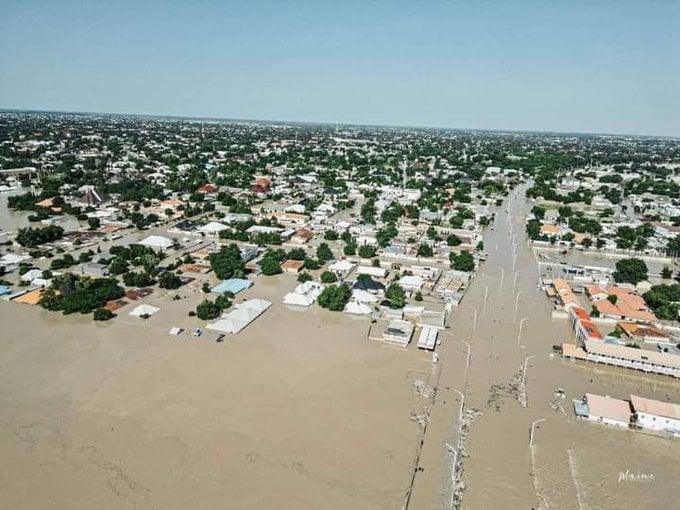
The 2025 flood season, which has affected nearly every region, has already impacted over 339,000 people, left more than 680 injured, and caused extensive damage to homes, farmland, and infrastructure, NEMA said in a situation report released Monday.
States most affected include Niger, where 163 fatalities were recorded, and Adamawa, with 59 deaths and over 23,000 displaced. The floods have damaged more than 42,000 homes nationwide and wiped out at least 48,000 hectares of cultivated farmland, raising fears of food shortages and prolonged displacement.
In response, states such as Kaduna, Nasarawa, Bauchi, and Jigawa have stepped up their emergency preparedness campaigns, urging residents in flood-prone areas to relocate and avoid further loss of life. Emergency shelters have been set up in several locations to accommodate displaced families, particularly in high-risk zones.
NEMA identified immediate needs for affected communities, including food, shelter, health services, clean water, and livelihood support. However, the agency noted that funding shortages, inaccessible roads, security concerns, and, in some areas, resistance from local communities have hampered operations.
Localized Tragedies, State-Level Responses
In Gombe, the state emergency agency reported 15 deaths and nearly 1,000 households displaced since the start of the rainy season. Recent incidents in Jurara and Jalingon Kamu communities have forced over 190 people to seek shelter with neighbors. A tragic canoe accident in Funakaye Local Government Area claimed five additional lives.
Sokoto State has also seen devastating effects, with 61 communities in Rabah LGA submerged after heavy downpours on September 4 and 9. More than 2,200 homes were destroyed, and over 5,300 households were displaced.
In Kano, heavy rains accompanied by severe windstorms have damaged numerous homes across local governments. State officials said assessments are still ongoing to determine the full scale of the destruction and the number of affected families.
Kaduna witnessed flash flooding from a two-day rainfall earlier in September that displaced 970 residents and damaged at least 270 homes, particularly in Zaria and parts of Kaduna metropolis. State authorities closed a temporary flood camp in Tudun Wada after waters receded, relocating 239 residents, including vulnerable groups such as pregnant women and persons with disabilities. Governor Uba Sani reaffirmed his administration’s commitment to long-term flood mitigation efforts.
Bauchi State reported spending about ₦500 million on flood intervention and reconstruction, while in Nasarawa, the emergency management agency said sensitization campaigns had prompted relocations in at-risk areas across all 13 local government areas. Temporary settlements have been identified for those displaced by unexpected flooding.
Proactive Planning Prevents Larger Disasters in Some States
While several states reported massive destruction, others like Jigawa and Zamfara largely escaped widespread displacement. Jigawa officials credited a ₦4.2 billion investment in flood mitigation infrastructure, including river dredging and embankments, for averting disaster. “Only flash floods have been recorded so far, with no mass displacement,” said Hannafi Yakubu, Secretary of the Jigawa Emergency Management Board.
Zamfara also avoided the worst despite heavy rains in recent weeks. Emergency agencies confirmed no major flooding incidents or displacement in the state.
In Niger, where flooding claimed the highest number of lives, emergency officials continue to issue warnings and conduct public awareness campaigns. “People must avoid blocking drainages and relocate from riverine areas when heavy rain is forecast,” said Abdullahi Baba-Arah, head of the Niger State Emergency Management Agency.
National Outlook
Across Nigeria, communities are grappling with not only the immediate impact of the floods but also long-term challenges related to food security, public health, and rebuilding efforts. Humanitarian groups have called for coordinated action, increased funding, and stronger infrastructure to manage the country’s worsening flood seasons, which experts link to the intensifying effects of climate change.
While the government works to address critical gaps in emergency response, thousands of displaced families remain in temporary shelters, hoping for a swift return to normalcy as the rainy season begins to wind down.





