

PARIS (BN24) — French police have arrested four additional suspects in connection with the daring October 19 theft of imperial jewels from the Louvre Museum, pushing the total number of individuals detained in the case to eight. The arrests come on the heels of previous charges against four individuals earlier this month, further intensifying the investigation into what has been described as one of the most brazen art thefts in recent memory.
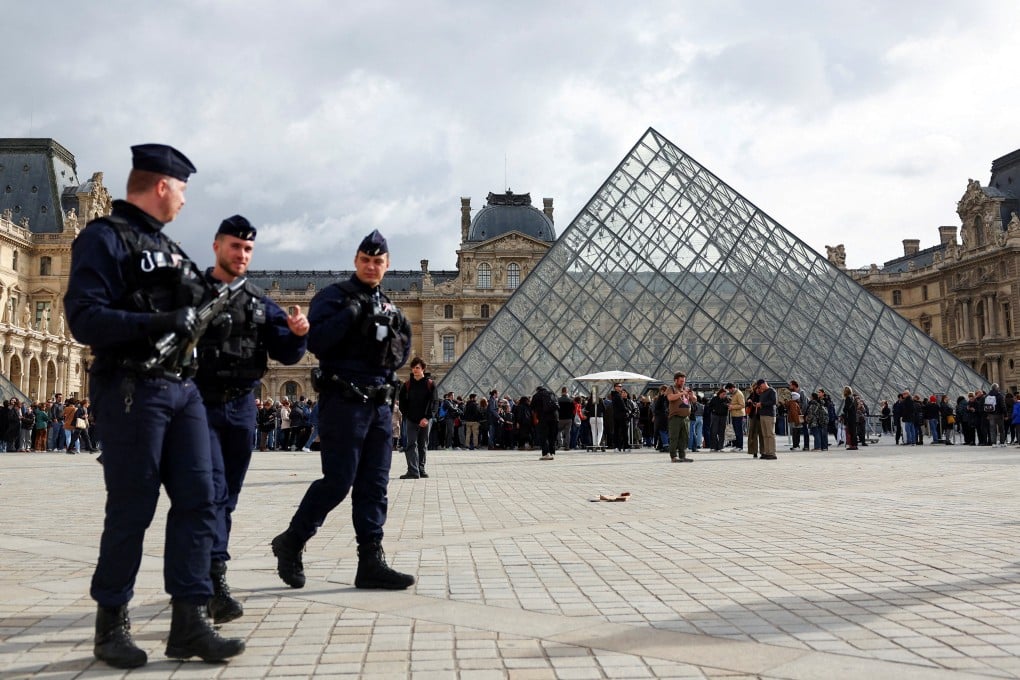
The new arrests, confirmed by Paris prosecutor Laure Beccuau, involved two men aged 38 and 39, and two women aged 31 and 40, all reportedly from the Paris region. The suspects, who have not yet been publicly identified, were detained as part of an ongoing investigation into the high-profile robbery that targeted some of France’s most priceless historical treasures.
A Daylight Heist that Shocked the World
The robbery, which unfolded in broad daylight, has raised serious questions about the security measures in place at one of the world’s most famous museums. On October 19, a well-coordinated team of thieves managed to bypass the Louvre’s security system and make off with eight irreplaceable pieces of jewelry, including items that once belonged to the French royal family. The jewels were valued at an estimated $102 million.
The heist was executed with military precision. The thieves arrived at the museum in a moving truck, parked it beneath the Apollo Gallery—home to the French crown jewels, and set up a makeshift ladder. Using an industrial bucket, they ascended to the gallery’s windows, breaking in and using angle grinders to cut into the glass display cases. Within a span of just seven minutes, they had stolen the valuable pieces and fled the scene on scooters, leaving security forces scrambling to respond.
Remarkably, one of the stolen items, a crown once worn by Empress Eugenie, Napoleon III’s wife, was dropped during the thieves’ hasty escape. The crown, which is adorned with diamonds and emeralds, was recovered shortly after the heist, but the other items remain unaccounted for.
The Stolen Jewels: A Cultural and Historical Loss
Among the items taken were an emerald-and-diamond necklace that was given by Napoleon I to his second wife, Empress Marie-Louise. The necklace, which is considered one of the most valuable pieces of French royal jewelry, has significant historical value. In total, the jewels that were stolen represent not just monetary wealth, but centuries of French history and culture.
In addition to the imperial jewels, several other priceless pieces were part of the haul, including ornate bracelets and earrings that date back to the 19th century. Experts have expressed deep concern about the potential damage these pieces could sustain if not recovered in time.
Rising Questions About Security at the Louvre
The daylight nature of the heist has led many to question the efficacy of security at the Louvre, especially considering that the museum is a leading cultural institution that attracts millions of visitors every year. While the museum boasts state-of-the-art surveillance and protective measures, the thieves were able to circumvent them with apparent ease. The fact that they carried out the heist in such a short window of time has prompted calls for a review of museum security protocols across France and Europe.
According to renowned art security expert Marie Dupont, the robbery raises serious concerns about the vulnerability of museums globally. “If thieves can execute such a sophisticated heist at the Louvre, what does that say about the security of other museums?” Dupont asked. “This could be a turning point in how art institutions approach security in the digital age.”
A Complex and Expanding Investigation
The new arrests come as the investigation into the theft intensifies. While the police have yet to recover the stolen jewels, investigators are optimistic that the latest round of arrests will lead to further breakthroughs. French police are working closely with international law enforcement agencies, including Interpol, to track the movements of the stolen jewels, which experts fear may have already been sold on the black market.
The suspects arrested so far have reportedly been linked to a larger network of thieves who specialize in high-profile art and jewel thefts. Investigators are piecing together the details of how the gang managed to plan and execute the heist, and whether the Louvre’s security lapses were a result of internal complicity or external opportunism.
In addition to the arrest of these four new suspects, authorities are also looking into potential connections between the thieves and organized crime groups operating throughout Europe. The sophistication of the heist suggests that the operation was not a spur-of-the-moment crime but part of a larger, coordinated effort to target valuable cultural artifacts.
The Economic and Cultural Fallout
The theft has not only shocked the art world but also sparked a broader discussion on the economic implications of such high-profile robberies. The loss of these historical treasures is not just a blow to the cultural heritage of France but also a financial one. The value of the stolen jewelry could affect the art market significantly, especially if the pieces are sold or melted down for their precious materials.
Moreover, the incident has put the spotlight on the risks that museums and collectors face in an increasingly digital world. The Louvre’s inability to prevent such a bold robbery could set a dangerous precedent for the future of art security, especially as museums face mounting pressure to balance public access with the protection of priceless artifacts.
As of now, the jewels remain missing, and investigators are racing against the clock to locate and return them. While the recovery of these priceless items would undoubtedly be a relief, experts fear that they may never be recovered in their original form. The art world remains on edge as authorities continue to search for any trace of the stolen jewels.
Looking forward, it is clear that this heist will have long-term implications for museum security and the broader art market. If the stolen jewels remain unrecovered, the case could become a symbol of the vulnerability of cultural treasures to sophisticated criminal operations. Meanwhile, the Louvre and other cultural institutions will likely be forced to reevaluate their security systems, introducing more advanced technologies and stricter protocols to prevent future crimes.
For now, the investigation into the Louvre jewel heist remains ongoing, with French authorities continuing to track down any remaining suspects and recover the stolen items. While the investigation has already resulted in significant arrests, the full extent of the operation and the fate of the missing jewels remain unclear.
Credit: Reuters





