

MOUNTAIN VIEW, Calif. (BN24)— Alphabet Inc. CEO Sundar Pichai warned Monday that no company, including Google, would escape the fallout if the rapidly expanding artificial intelligence sector experiences a major collapse.
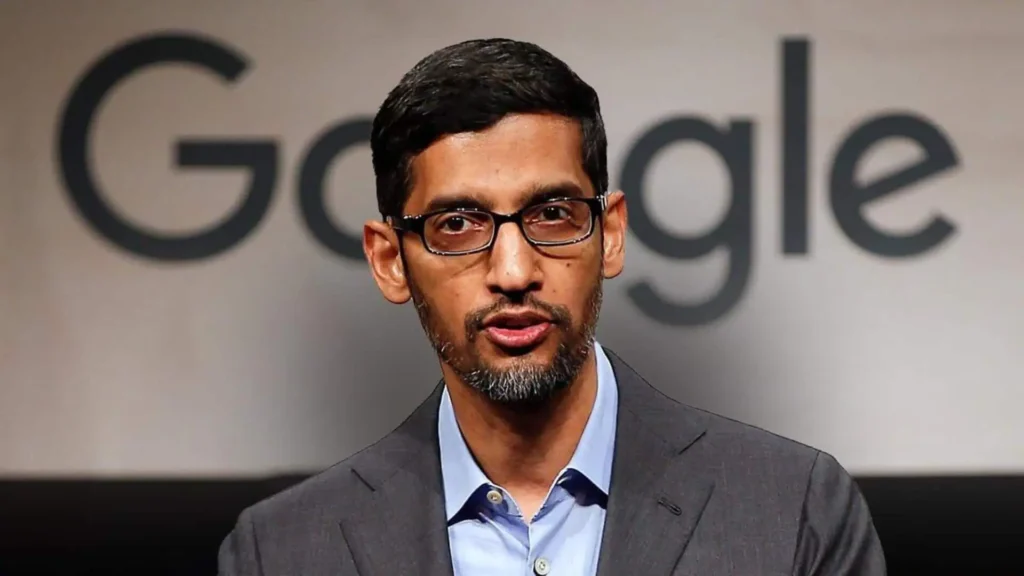
In an interview with the BBC, Pichai said the surge in AI investment has been driven in part by “irrationality,” fueling a technology market rally that has swept through global stock markets this year. However, he noted that rising concerns over sustainability and the potential for an AI bubble have contributed to sharp declines in equity markets in recent months.
When asked directly whether Google itself could be affected by an AI market correction, Pichai responded, “I think no company is going to be immune, including us.”
The interview also addressed longstanding concerns surrounding artificial intelligence, including its accuracy, the potential displacement of workers, and the environmental impact of large-scale AI operations. Pichai emphasized the “immense” energy consumption required to power AI systems. According to the International Energy Agency, AI already accounted for roughly 1.5 percent of global electricity use last year.
Looking ahead, Pichai warned that computing demands for AI could climb to 200 gigawatts by 2030, a level comparable to Brazil’s annual electricity consumption. He said about half of that demand is likely to occur in the United States. The race to build large-scale data centers to support AI applications has intensified these pressures, as facilities require vast numbers of chips and extensive cooling infrastructure.
“These are urgent challenges,” Pichai said, noting that new energy sources and reinforced global infrastructure will be necessary to meet the growing demands of AI technology. He also acknowledged that Alphabet’s climate commitments would be affected, delaying some of its carbon neutrality goals, but insisted the company remains on track to reach net-zero emissions by 2030.
Pichai also highlighted the societal implications of AI, predicting significant disruptions to the global workforce. He said the technology could affect even senior executive roles while emphasizing that individuals who adapt to using AI tools would have a competitive advantage regardless of their field.
Alphabet, based in Mountain View, California, reported quarterly revenue exceeding $100 billion in October, a performance partly fueled by accelerating demand for AI products and services. The company has expanded investments in AI infrastructure and accelerated the global rollout of AI-driven features, including enhancements to Google Search and its Gemini model suite.
As AI adoption continues to grow at an unprecedented pace, Pichai’s remarks underscore the broader risks facing companies and economies worldwide, highlighting both the opportunities and vulnerabilities tied to the technology.





