

General Mamady Doumbouya, the leader of Guinea’s military junta, has been declared the winner of the country’s presidential election, provisional results showed late Tuesday, sealing a sweeping victory in the first ballot since his 2021 coup.
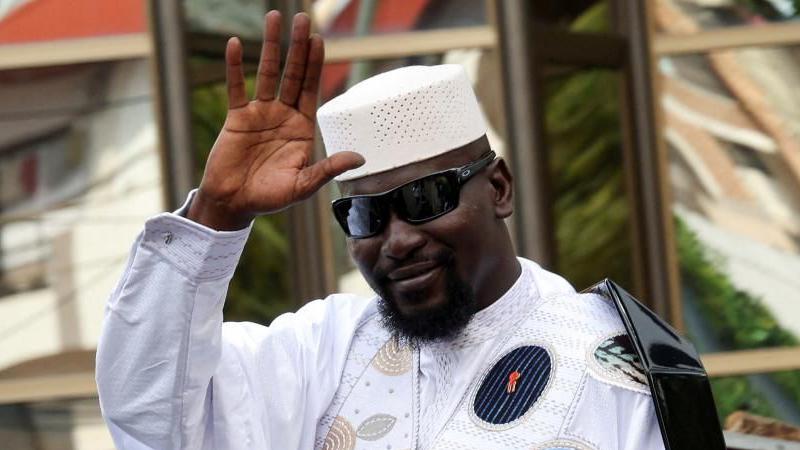
Partial tallies released by Guinea’s General Directorate of Elections put Doumbouya’s share of the vote at 86.72% from Sunday’s election, comfortably above the threshold needed to avoid a runoff. Voter turnout was reported at about 80.95% of the 6.7 million registered electorate, a figure that has been questioned by opposition figures. (AP News)
The election was widely expected to end in Doumbouya’s favor after years of political tightening that critics say effectively sidelined major rivals. Ahead of the vote, more than 50 political parties were dissolved and most prominent opposition leaders were either barred from contesting on technical grounds or remain in exile, leaving Doumbouya to face a fractured field of lesser-known candidates.
Doumbouya once pledged not to seek office following the coup that ousted President Alpha Condé, but a referendum in September approved a new constitution that lifted the ban on military leaders running for the presidency and extended the presidential term from five to seven years.
The closest challenger, Yéro Baldé, a former minister under Condé, trailed far behind with just over 6% of the vote in the early count. (Africanews)
Analysts and critics have framed the election as a pivotal moment in Guinea’s political evolution — one that raises questions about the depth of democratic change following years of authoritarian rule. Doumbouya’s supporters argue that the ballot marks a formal transition to civilian governance after four years of military leadership, while opponents and international observers have expressed concern about restrictions on political freedoms, media constraints and limited opportunities for genuine competition. (Reuters)
Beyond politics, Guinea’s broader economic context looms large in the national conversation. The resource-rich West African nation sits atop vast reserves of bauxite and iron ore, and authorities are banking on projects like the Simandou iron ore development to spur job creation and attract investment — a promise that Doumbouya has highlighted in his campaign.
Human rights groups, including the United Nations, have criticized the lead-up to the vote. The UN rights chief described the campaign environment as “severely restricted,” citing intimidation of opposition figures, limitations on protests and constraints on media freedom. At a news conference Monday, opposition candidate Faya Lansana Millimono alleged “systematic fraudulent practices” and noted the absence of robust observer oversight during voting and ballot-counting processes.
If unchallenged or upheld by Guinea’s Supreme Court within eight days, Doumbouya’s victory will usher in a seven-year presidential term under a constitution explicitly designed to enable his candidacy. The result reflects a broader trend in parts of West Africa, where military leaders have increasingly sought to legitimize their rule through controlled elections following coups in recent years. (Reuters)




