

Iran appointed a new central bank governor Wednesday as a devastating economic crisis sparked some of the country’s largest protests in three years, triggered by the rial’s collapse to a record low against the U.S. dollar that has pushed inflation to 40 percent and devastated household purchasing power.
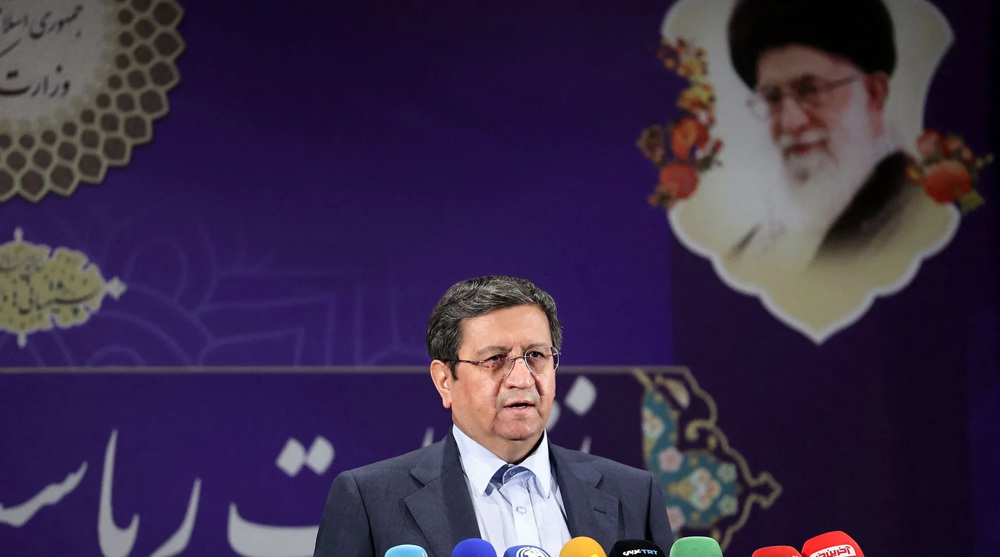
President Masoud Pezeshkian’s Cabinet named Abdolnasser Hemmati, a former economics minister, as the new governor of the Central Bank of the Islamic Republic of Iran, according to the official IRNA news agency cited by the Associated Press. The emergency appointment came as merchants across major Iranian cities shuttered businesses in protest of economic conditions that have rendered the national currency nearly worthless.
Hemmati, 68, succeeds Mohammad Reza Farzin, who resigned Monday—the day after massive protests erupted following the rial’s precipitous decline. The currency traded at 1.38 million rials to the dollar on Wednesday, representing a catastrophic devaluation from 430,000 rials when Farzin assumed office in 2022. The more than three-fold collapse in just over two years has obliterated savings, made imports prohibitively expensive, and created widespread economic desperation.
The staggering currency depreciation has pushed food prices and other daily necessities beyond what many Iranian households can afford, compounding strain on family budgets already squeezed by Western sanctions imposed over Iran’s nuclear program. Experts attribute the public unrest directly to 40 percent inflation that has eroded living standards across Iranian society, from working-class families to middle-class professionals and merchants.
Many traders and shopkeepers closed businesses Sunday and took to the streets of Tehran and other cities to protest, according to the Saudi Gazette. The demonstrations represented some of the most significant civil unrest Iran has experienced since 2022, when protests following Mahsa Amini’s death in police custody spread across the country and challenged the Islamic Republic’s authority.
Hemmati’s agenda will focus on controlling inflation and strengthening the currency, as well as addressing bank mismanagement, government spokeswoman Fatemeh Mohajerani wrote on X. The priorities reflect recognition that Iran’s economic crisis stems from both external sanctions pressure and domestic policy failures that have exacerbated currency instability and fueled inflation beyond what external factors alone would generate.
The appointment of Hemmati represents a controversial choice given his recent political history. He previously served as minister of economic and financial affairs under President Pezeshkian before parliament dismissed him in March for alleged mismanagement and accusations that his policies weakened the rial against hard currencies. His return to a senior economic policymaking role just months after removal for similar failures raised questions about whether the government has viable alternatives or whether internal politics limited Pezeshkian’s options.
The rapid depreciation of Iran’s currency and sustained inflationary pressure have created a spiral where merchants raise prices to maintain profit margins in rial terms, which further accelerates inflation and currency depreciation as Iranians seek to convert rials into more stable foreign currencies or physical assets. The dynamic has created economic instability that threatens social cohesion and political stability across the Islamic Republic.
Inflation is expected to worsen following gasoline price changes introduced in recent weeks, according to reports. Fuel subsidies have historically provided crucial support for Iranian households and businesses, with their reduction or elimination triggering protests in 2019 that security forces violently suppressed, killing hundreds of demonstrators. Any gasoline price increases in the current economic climate risk generating even more intense public anger than authorities already face.
“Any effort to turn protests over economic issues to insecurity, damage to public properties or carrying out foreign scenarios, will face…strong reaction,” Prosecutor General Mohammad Movahedi Azad stated Wednesday, according to the Mizanonline news outlet. The warning employed standard Iranian government rhetoric characterizing domestic dissent as foreign-orchestrated subversion, while threatening harsh crackdowns if protests escalate beyond economic grievances into broader political challenges.
The invocation of “foreign scenarios” reflected the government’s tendency to attribute protests to external manipulation by the United States, Israel, or Saudi Arabia rather than acknowledging that economic failures and policy mismanagement have generated legitimate domestic grievances. This framing allows authorities to justify violent suppression as defending national security rather than repressing citizens exercising rights to peaceful protest.
Iran’s currency traded at 32,000 rials to the dollar at the time of the 2015 nuclear accord that lifted international sanctions in exchange for tight controls on Iran’s nuclear program, the Associated Press noted. The comparison to current exchange rates demonstrates the catastrophic economic deterioration Iran has experienced since the nuclear deal’s collapse, with the rial losing approximately 98 percent of its value against the dollar over the past decade.
The nuclear deal unraveled after President Donald Trump unilaterally withdrew the United States from the agreement in 2018 during his first presidential term, reimposing sanctions that had been lifted and adding new economic restrictions designed to pressure Iran into negotiating a broader agreement addressing its ballistic missile program and regional activities. European nations attempted to maintain the accord, but their companies largely complied with U.S. sanctions rather than risk losing access to American markets, effectively rendering European commitments to the deal meaningless.
The sanctions have devastated Iran’s ability to export oil, access international banking systems, and import goods ranging from medicine to industrial equipment. While Iran has developed sanctions-evasion networks involving front companies, ship-to-ship transfers at sea, and partnerships with countries willing to defy U.S. pressure, these mechanisms prove costly and inefficient compared to normal international commerce, depressing Iran’s economic performance and government revenues.
On Wednesday, Hamed Ostevar, a local judiciary official in southern Iran, denied reports that a young man had been killed during protests, Mizanonline reported. Ostevar, who heads the justice department in the southern city of Fasa, stated that protests turned violent after crowds broke into the governor’s office and injured three policemen. He confirmed authorities arrested four protesters, suggesting a pattern of escalating confrontations between demonstrators and security forces.
The denial of protest deaths reflected government sensitivity to reports of violence against demonstrators, which can galvanize opposition and generate international criticism. Iranian authorities routinely dispute casualty figures from protests, with human rights organizations and opposition groups typically reporting significantly higher death tolls than government accounts acknowledge.
Fasa, located in south-central Iran, gained attention earlier this year when demonstrators reportedly hurled objects at government complex gates and physically shook barriers until they opened, suggesting protests in the city have involved particularly aggressive tactics compared to demonstrations in larger urban centers. The willingness of provincial protesters to storm government buildings indicated that economic desperation has overcome traditional caution about directly confronting state authority.
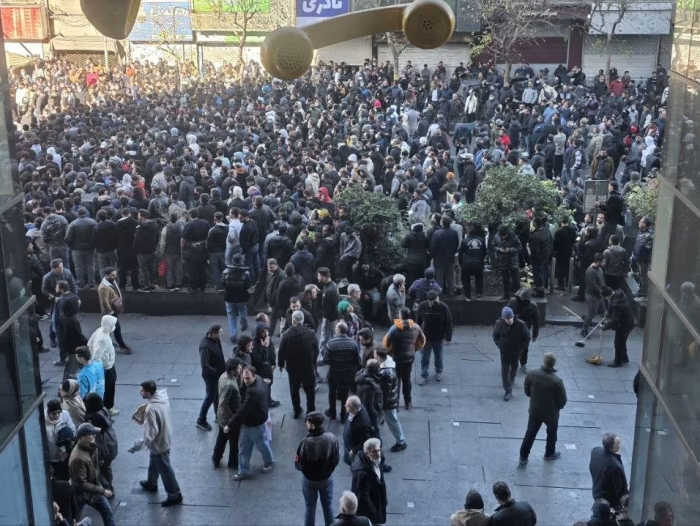
Merchants and traders kept shops closed in the main bazaars of Tehran, as well as in the southern city of Shiraz and western city of Kermanshah, witnesses confirmed Wednesday. The sustained bazaar closures across multiple major cities represented significant economic and political challenges for the government, as Iranian bazaar communities historically have played crucial roles in the country’s politics, helping drive both the 1979 Islamic Revolution and subsequent periods of unrest.
Tehran’s Grand Bazaar, one of the Middle East’s largest and oldest continuously operating markets, serves as both economic hub and political barometer for Iran. When bazaar merchants close shops in protest rather than conducting business, it signals deep dissatisfaction among traditionally conservative constituencies that might otherwise support the government. Their participation in economic protests suggests that discontent has spread beyond urban educated classes or marginalized groups to include business communities with stakes in the existing system.
Shiraz, located in Fars Province in southern Iran, serves as a major commercial and cultural center with deep historical significance. The city’s bazaar closures indicated that protests extended beyond Tehran to provincial cities where economic conditions may be even more dire given distance from whatever limited economic opportunities the capital provides. Kermanshah, located in western Iran near the Iraqi border in a predominantly Kurdish region, has experienced periodic unrest related to both economic grievances and ethnic tensions.
The geographic spread of protests from Tehran to provincial cities demonstrated that Iran’s economic crisis has created nationwide rather than localized discontent, making the challenge facing Pezeshkian’s government more severe than isolated urban unrest that security forces could contain through focused crackdowns. Coordinated actions across multiple cities suggested either organic parallel organizing by bazaar networks or communication channels enabling merchants to synchronize protests despite government surveillance.
Hemmati faces an extraordinarily difficult task attempting to stabilize Iran’s currency and control inflation given structural constraints beyond any central bank governor’s control. International sanctions limit Iran’s ability to earn foreign currency through oil exports or access international credit markets that might provide financing to support the rial. Domestic political considerations constrain his ability to implement austerity measures or subsidy cuts that economic stabilization might require but that would trigger even more intense protests.
The appointment of someone parliament recently dismissed for economic policy failures suggested the Pezeshkian administration either has limited options for qualified technocrats willing to accept the position or believes Hemmati’s experience outweighs concerns about his previous record. The central bank governorship has become a poisoned chalice in Iran, with officeholders facing blame for economic deterioration driven by factors largely beyond monetary policy control.
Iran’s economic crisis intersects with broader regional tensions including its nuclear program development, proxy conflicts with Israel and Saudi Arabia, and domestic political challenges from populations demanding greater freedoms and economic opportunities. The interconnection of economic, political, and security challenges creates complex dynamics where addressing any single issue proves difficult without progress on others, yet comprehensive solutions remain elusive given entrenched interests and ideological commitments.
The protests and currency collapse occur as Iran navigates uncertain relations with the United States under Trump’s second presidency. Trump’s previous withdrawal from the nuclear deal and maximum pressure sanctions campaign devastated Iran’s economy, and his return to office has generated both concerns about intensified pressure and speculation about potential negotiations if Iran demonstrates willingness to make concessions on nuclear development and regional activities.
Whether Hemmati can stabilize Iran’s economy sufficiently to prevent sustained unrest remains highly uncertain. Without sanctions relief that would require nuclear negotiations producing agreements acceptable to both Tehran and Washington—an outcome that has eluded negotiators for years—Iran’s economic prospects appear bleak regardless of technocratic competence of central bank leadership. The appointment may represent political theater designed to demonstrate government responsiveness to public anger rather than a genuine solution to structural economic problems.




