

TEHRAN, Iran (BN24) — Iran’s top military commanders have issued stark warnings that the country is fully prepared to resume war with Israel if provoked, just days after a U.S.-brokered ceasefire brought an uneasy end to a 12-day conflict. The bold statements from Tehran have heightened fears across the region that a return to open hostilities may be imminent.
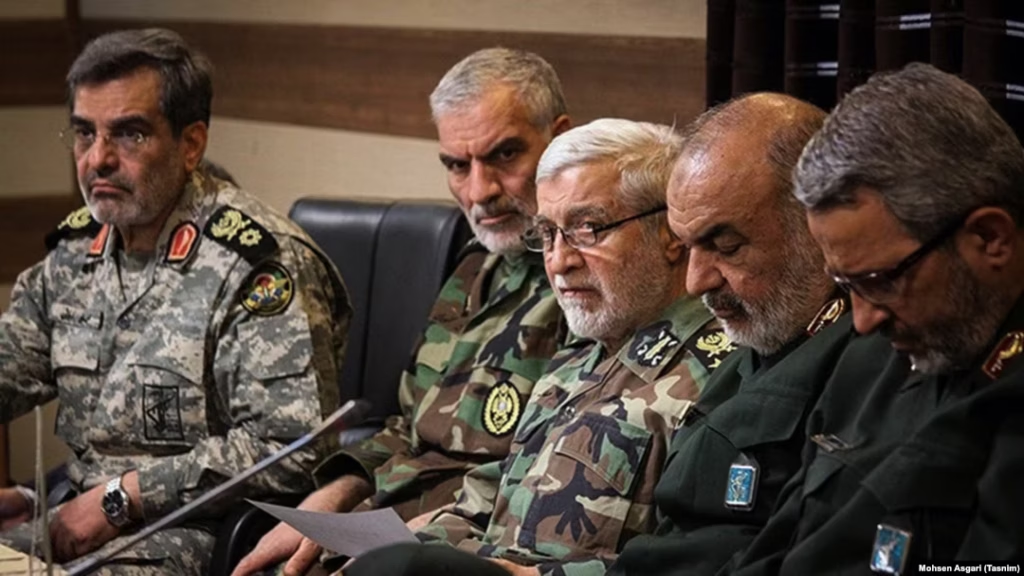
Major General Mohammad Pakpour, the commander of Iran’s elite Revolutionary Guard Corps (IRGC), declared that Iranian forces are “fully prepared to resume combat from exactly where it stopped.” Speaking alongside Iran’s Army chief, Major General Amir Hatami, Pakpour vowed that “aggressors will not be spared” and praised what he called the “unity and strength of the Iranian people.” He emphasized that while Iran does not seek war, it will respond decisively if attacked.
The statement comes amid fresh signals from Israel that it considers the recent round of fighting incomplete. Israeli Military Chief of Staff Eyal Zamir said bluntly, “The campaign against Iran is not over. We are entering a new phase.”
While Washington continues to advocate for a diplomatic resolution, the Biden administration is keeping military options on the table, underscoring the volatile balance between pressure and peace. With the Middle East already on edge, Iran’s posture further complicates U.S. efforts to defuse the situation.
In parallel to the growing military rhetoric, controversy has erupted over the status of Iran’s nuclear program following recent U.S. airstrikes. A new intelligence assessment obtained by NBC News contradicts claims made by President Donald Trump that Iran’s nuclear sites had been “obliterated.”
According to multiple U.S. officials familiar with the findings, the Fordow nuclear enrichment facility was significantly damaged during last month’s strikes. However, the key facilities at Isfahan and Natanz reportedly sustained limited setbacks and could resume operations within months.
The assessment drew immediate backlash from Trump allies. Pentagon spokesperson Sean Parnell took to social media, writing, “False. The credibility of the Fake News Media is similar to that of the current state of the Iranian nuclear facilities: destroyed, in the dirt, and will take years to recover.”
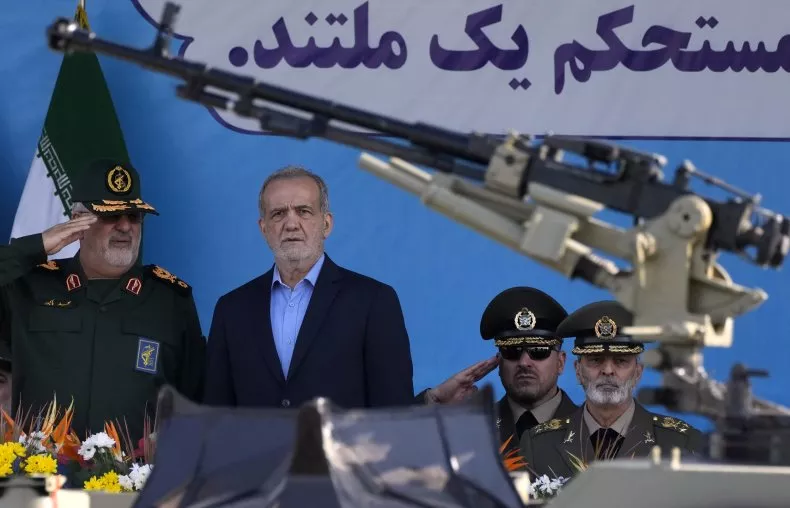
Meanwhile, diplomatic efforts to revive the nuclear agreement remain stalled. Iran’s Foreign Minister Abbas Araghchi has rejected demands from European leaders and the U.S. to finalize a new deal by the end of August, calling such deadlines unfair and one-sided.
In a statement following calls with the foreign ministers of France, Germany, the U.K., and EU diplomat Josep Borrell, Araghchi pushed back, saying, “It was the U.S. that withdrew from a two-year negotiated deal—coordinated by the EU in 2015—not Iran.” He added that it was Washington, not Tehran, that abandoned negotiations in June in favor of a military strike.
Iran continues to insist that it will only re-enter talks under terms it considers balanced and just, warning that further Western pressure could derail diplomacy altogether.
As regional leaders brace for the next move, Iran’s threats to reignite the war have deepened concerns about the durability of the current ceasefire. While U.S. officials press for renewed negotiations and restraint, both Iran and Israel are digging in, leaving the prospect of renewed fighting perilously close.
With military threats, nuclear site uncertainties, and failed diplomacy intertwining, the Middle East finds itself teetering between a fragile peace and the brink of a broader conflict.




