

Israel’s targeted strike in a densely populated suburb of Beirut has killed Hezbollah’s acting chief of staff, Haytham Ali Tabatabai, along with the group’s longtime leader Hassan Nasrallah, according to statements from Israeli officials and Hezbollah. The deaths mark one of the most consequential blows to the Iran-backed movement in more than three decades, sending shockwaves through Lebanon and raising the prospect of a deeper regional confrontation.
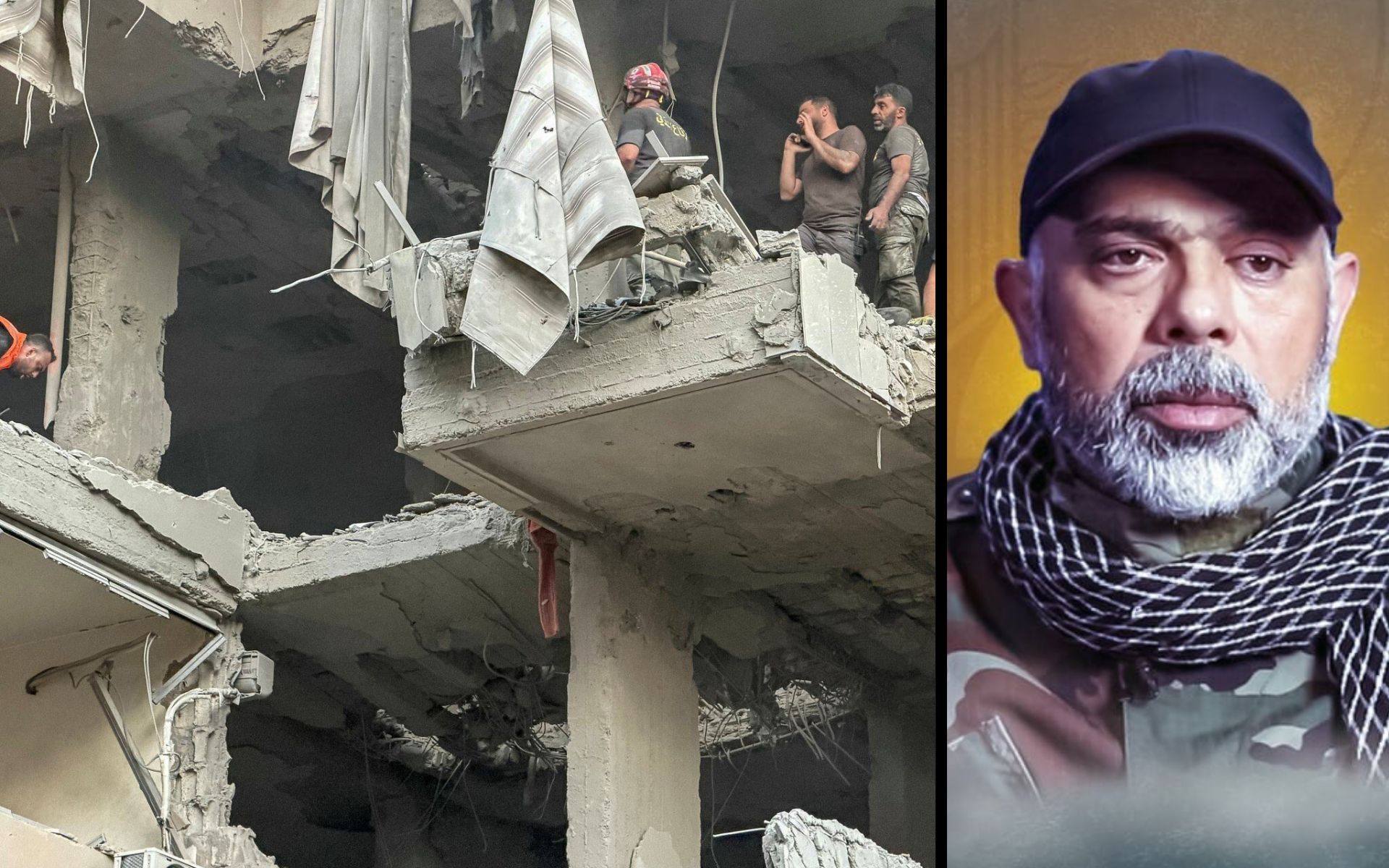
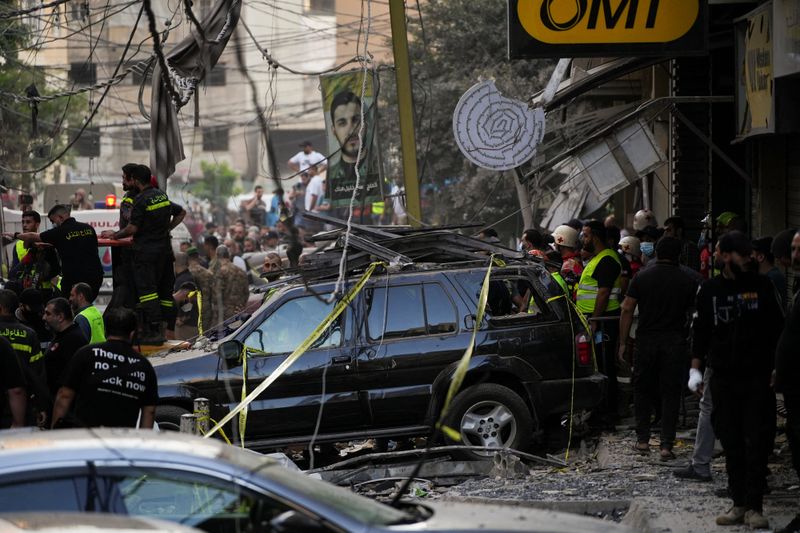
Israeli spokesman Lt. Col. Nadav Shoshani said in a statement that Nasrallah was killed in Friday’s airstrike on Dahiyeh, a stronghold of Hezbollah in southern Beirut. Lebanese authorities reported at least six residential buildings were flattened and more than 90 people injured. The country’s health ministry confirmed at least five fatalities in addition to the commanders killed.
Hezbollah later issued a formal acknowledgment of Nasrallah’s death, condemning what it called a “treacherous Zionist strike” and promising continued resistance in support of Gaza and “in defense of Lebanon and its steadfast people.”
The Israeli military said Tabatabai — a man Washington sanctioned in 2016 and placed a $5 million bounty on — was a central architect of Hezbollah’s military wing. Prime Minister Benjamin Netanyahu described him as a “mass murderer” whose operations resulted in the deaths of Israelis and Americans.
A Blow to Hezbollah’s Strategic Core
Nasrallah’s death is widely regarded as the most significant leadership loss in Hezbollah’s history. For more than 32 years, he served as the group’s political and ideological anchor, guiding its transformation from a fragmented militia into a hybrid political-military force with influence stretching across the Middle East.
Regional analysts told Al Jazeera that Nasrallah’s stature — both symbolic and strategic — was unmatched within the organization. Correspondent Stefanie Dekker said he was “Iran’s linchpin” in Lebanon, while journalist Zeina Khodr noted he was the mastermind behind Hezbollah’s military doctrine.
His killing comes during a period of heightened strain between Israel and Hezbollah following the Gaza war, with the group firing rockets from southern Lebanon in support of Hamas in October 2023. Although a U.S.-brokered truce in 2024 reduced hostilities, Israel continued its near-daily targeting of what it said were Hezbollah logistical networks, weapons depots and commanders.
Market and Economic Impact on Lebanon
The latest strike threatens to aggravate Lebanon’s fragile financial system, already battered by inflation, currency collapse and a prolonged political vacuum. Investor confidence, which had shown mild signs of stabilization in recent months, plunged further as fears spread that Beirut could again become the epicenter of a wider conflict.
Real estate analysts in the capital say property values in Dahiyeh and surrounding districts have fallen sharply since the strike, with many residents abandoning homes for safer areas. Lebanon’s commercial sector — long hampered by power shortages and capital controls — could face new supply disruptions if the violence expands.
The United Nations reported that more than 211,000 people have been displaced from southern Lebanon since the conflict escalated earlier in the week. That figure is expected to rise following the destruction in Beirut.
Healthcare providers report closures of at least 20 primary care centers in conflict-hit areas, straining a medical system already weakened by years of economic crisis.
Regional Power Dynamics and Iran’s Response
Iranian Supreme Leader Ayatollah Ali Khamenei dismissed claims that Hezbollah’s “structure” had been critically damaged, urging Muslim nations to support the group. But Middle East analysts say the killing of both Nasrallah and Tabatabai represents a severe strategic setback for Tehran.
Elijah Magnier, a Beirut-based analyst, told Al Jazeera that Nasrallah’s charisma and authority were irreplaceable: “There is no other leader with that level of influence — not only in Lebanon but across the region.”
While Iran has not outlined how it may respond, Tehran-based journalist Tohid Asadi told Al Jazeera that observers expect a period of “strategic patience” while the organization regroups.
Israel’s Strategy: Decapitation as Deterrence
Netanyahu framed the Beirut operation as part of Israel’s broader effort to dismantle Hezbollah’s command hierarchy and limit its ability to relaunch attacks. He credited the IDF for acting on recommendations from top defense officials and insisted Israel would not allow Hezbollah to rebuild.
Defense Minister Israel Katz echoed those remarks, saying anyone who “raises a hand against Israel” would face decisive retaliation.
Israel argues that Hezbollah continues to violate the truce by attempting to rebuild weapons capabilities. Israeli officials said Tabatabai played a central role in efforts to reconstitute Hezbollah’s Radwan Force — a specialized unit trained for cross-border raids into northern Israel.
Lebanon’s Political Calculus and the Road Ahead
Lebanese President Joseph Aoun called on the international community to intervene and halt Israeli strikes. The government has repeatedly accused Israel of violating the 2024 ceasefire through continued aerial attacks and occupation of disputed posts.
Political scientists warn that Nasrallah’s absence could reshape Lebanon’s internal power balance. For years, Hezbollah’s dominance has been contested by Sunni, Druze and Christian factions that accuse the group of deepening Lebanon’s isolation.
Without its longtime leader, Hezbollah may face an internal struggle over succession, potentially weakening its cohesion during a volatile moment in the region.
Future Outlook: A Crossroads for the Middle East
With both Israel and Iran-backed groups recalibrating after Nasrallah’s death, analysts say the coming weeks will determine whether the confrontation escalates into a wider war or settles into another protracted standoff.
Hezbollah has not fired on Israel since the ceasefire took effect and has said it continues to abide by terms of the agreement. But the loss of high-level commanders could pressure the organization to respond militarily to preserve credibility among its supporters.
Humanitarian concerns are rising across Lebanon as civilians flee affected neighborhoods. The upcoming visit of Pope Leo, scheduled for next week, has become a symbolic moment for many Lebanese who hope the world is paying attention as the country faces one of its gravest crises in years.
Sources: Foxnews/Reuters/Ajazeera




